

From Hoarder to Curator
Many of us have a box, a drawer, or even a cupboard filled with sentimental clutter—old letters, a baby’s first shoes, concert tickets, inherited trinkets. These items are physical links to our past, and the idea of parting with them can be painful. However,
there is a significant difference between collecting and hoarding. Collecting is a purposeful, organised hobby that brings joy and enhances your life. Hoarding, on the other hand, is often disorganized, causes stress, and can make living spaces unusable. The first step towards a more meaningful relationship with your possessions is to shift your mindset from a passive keeper of things to an active curator of your life’s story. Think of yourself as the director of a personal museum. Your job is not to accumulate indiscriminately, but to select the most powerful, evocative, and representative pieces that tell your unique story. This approach respects the emotional weight of your items while empowering you to take control of your space.
The Art of Intentional Selection
Curation is an act of intention. Instead of asking, “Can I bear to throw this away?” ask, “Does this item truly represent a memory I want to actively cherish?” When you begin sorting through sentimental belongings, choose a small, manageable category first, like old greeting cards or souvenirs from one particular trip. Handle each object and pay attention to how it makes you feel. A truly sentimental item should evoke a specific, positive emotion, like tenderness or nostalgia. If an object brings up feelings of guilt, obligation, or no feeling at all, it may be time to let it go. One helpful exercise is to select only the “best of the best.” For example, instead of keeping every drawing your child ever made, choose three that best capture their childhood spirit. By setting boundaries on what you keep, you elevate the importance of the selected items. They are no longer lost in a sea of clutter but become treasured artifacts.
Give Your Memories a Place of Honour
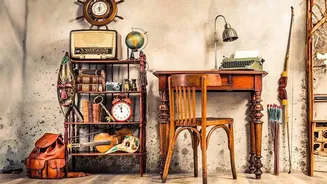
Sentimental items lose their power when they are hidden away in dusty boxes. A small, curated collection deserves to be seen and enjoyed. Integrating these meaningful objects into your daily life turns them from passive clutter into active sources of joy. Don't save your grandmother’s special occasion china; use it for your family’s Sunday dinner. Frame that old love letter and hang it in your bedroom. A collection of small family heirlooms can look beautiful arranged in a shadow box or on a dedicated shelf. Think about creating rotating displays. You might feature a collection of seaside finds in the summer and display inherited shawls in the winter. By giving your treasures a place in your home, you interact with the memories they hold far more often than when they were packed away. This act of display transforms them from burdens into blessings, sparking conversations and keeping your personal history alive.
Embracing Digital and Functional Keepsakes
For items that are difficult to display or that you’re ready to part with physically, technology offers a wonderful compromise. Take high-quality photographs of objects before letting them go. You can create a digital album dedicated to these sentimental items, preserving the memory without the physical footprint. You can scan old letters, recipes, and children's artwork to create a digital archive that is easy to share with family. Another creative approach is to transform items into something new and functional. A collection of memorable T-shirts from college can be turned into a quilt. Your mother’s old sarees that are too fragile to wear could be repurposed into cushion covers or a table runner. This approach honours the past by giving it a new purpose in your present. It’s a beautiful way to keep a memory alive and in use, rather than letting it fade away in storage.