






Mastering Monsoon Hygiene
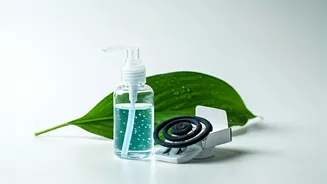
Hygiene is your first line of defence against the host of infections that thrive in the damp monsoon weather. This goes beyond just washing your hands. Start with your environment: ensure there is no stagnant water in or around your home, as these are
breeding grounds for mosquitoes that carry dengue, malaria, and chikungunya. Clean out air cooler trays, flower pot plates, and any containers that can collect rainwater. Personal hygiene is just as critical. Fungal infections of the skin and nails are incredibly common due to constant dampness. Make sure to dry yourself thoroughly after a shower, especially between your toes and in skin folds. Wear clean, dry cotton clothes and avoid wearing wet shoes for extended periods. When it comes to food, be extra cautious. The humidity can cause food to spoil faster. Wash all fruits and vegetables thoroughly, preferably with a solution of salt or vinegar water. It’s wise to limit street food, especially items that are exposed to the open air or use water from unknown sources, as the risk of water-borne diseases like typhoid and cholera increases significantly.
Managing Heat and Humidity
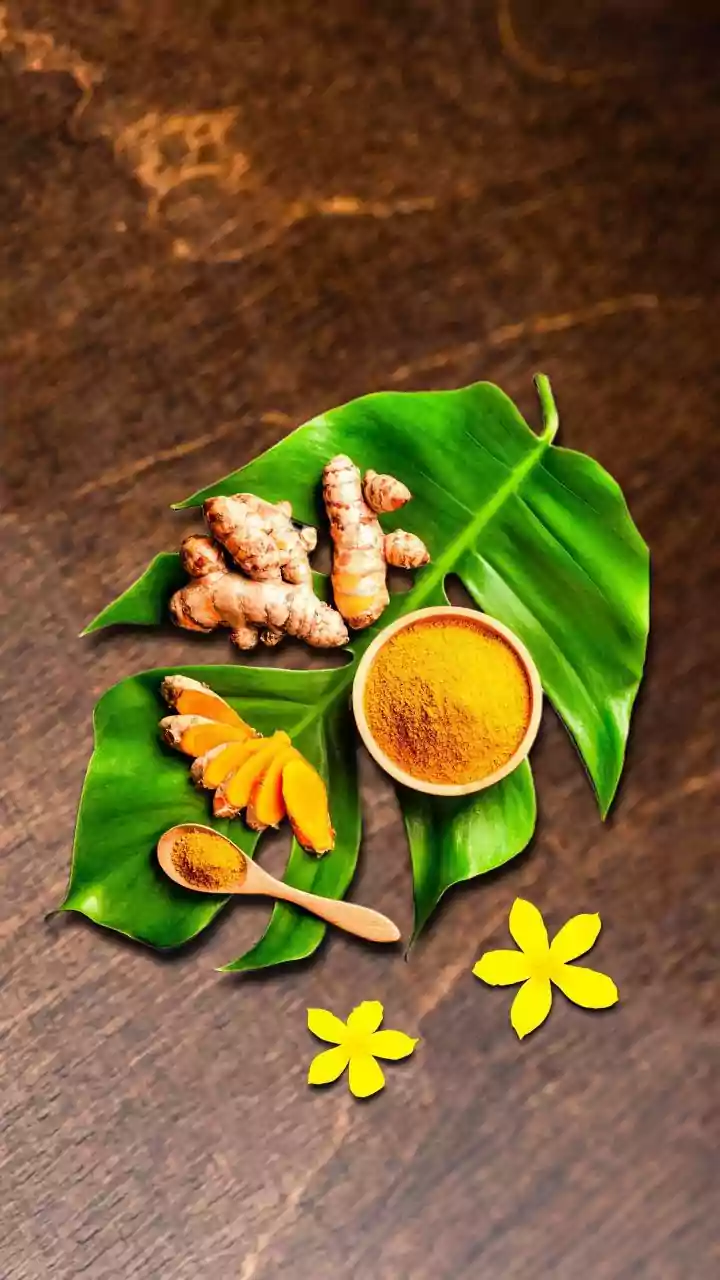
The term 'heat' in the context of monsoon wellness refers less to the ambient temperature and more to your body's internal digestive fire, or 'Agni' in Ayurvedic terms. The humid, heavy atmosphere can make our digestive systems sluggish. This is why you might feel bloated or lose your appetite during this season. To counteract this, it’s best to eat light, warm, and easily digestible foods. Think steamed vegetables, nourishing soups, and broths. Traditional wisdom suggests including ingredients like ginger, garlic, turmeric, and black pepper in your meals, as they are known to aid digestion and boost immunity. Avoid heavy, oily, and fried foods that can tax your digestive system. It’s also advisable to steer clear of raw salads and cold foods, which can be harder to digest and may carry a higher risk of contamination. Managing external humidity is also key. Use dehumidifiers if possible, and ensure your home is well-ventilated to prevent the growth of mould and mildew. Wearing breathable fabrics like cotton can also help keep your skin dry and prevent heat rashes and other irritations.
Prioritising Smart Hydration
You might not feel as thirsty during the monsoon as you do in the peak of summer, but staying hydrated is just as important. The high humidity can make you sweat, leading to fluid and electrolyte loss. However, hydration isn't just about drinking gallons of water; it's about drinking the right kind of fluids. Always ensure your water is either boiled, filtered, or from a trusted purified source to avoid water-borne illnesses. Instead of reaching for cold water from the fridge, opt for room-temperature or warm water, which is gentler on the digestive system. A great way to stay hydrated and boost immunity is by sipping on warm herbal teas. Brews made with tulsi, ginger, lemon, and honey are not only soothing but also packed with antibacterial and anti-inflammatory properties. Warm soups are another excellent choice, providing both hydration and essential nutrients. It's best to limit or avoid carbonated, sugary drinks and packaged fruit juices. These can weaken your immune system and often contain preservatives that are not ideal for your health, especially during a season when your body is already working hard to fight off potential infections.