



The New Social Hub on the Block
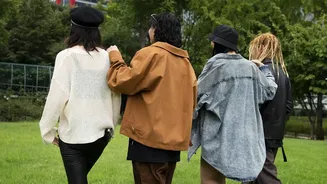
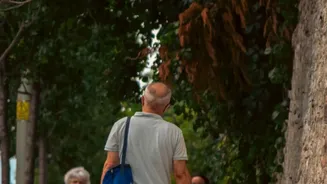
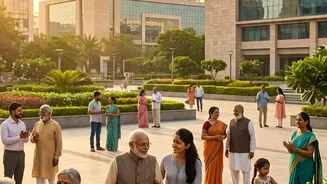
Across major metropolitan areas like Bangalore, Mumbai, and Delhi, a noticeable shift is underway. Community parks, once quiet and underutilised for most of the day, are transforming into vibrant social centres for people in their twenties and thirties.
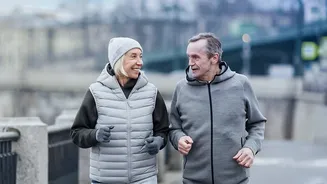
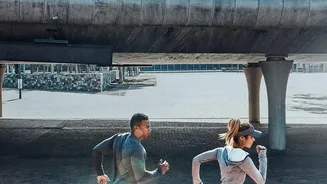
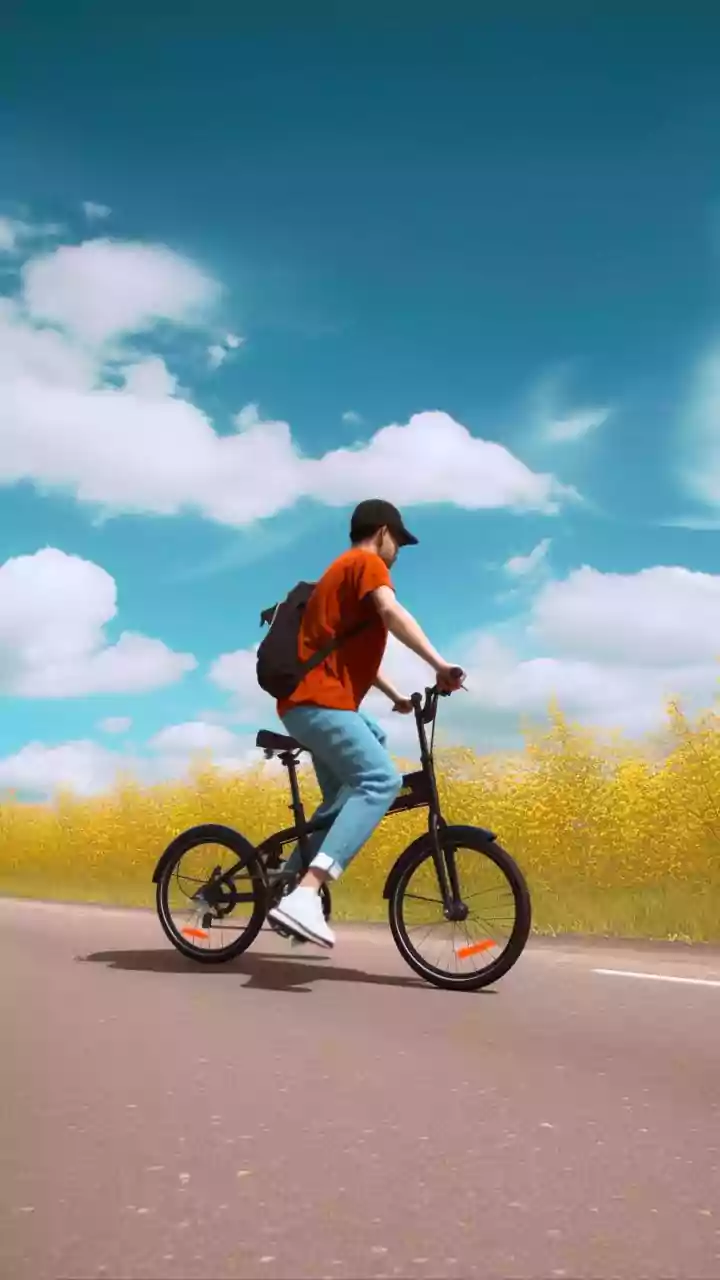
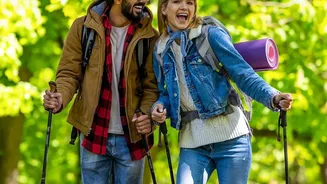
Groups of young professionals and students are gathering for more than just a jog. You'll find them participating in community fitness sessions, joining run clubs, practising yoga on the grass, or even engaging in hobbies like photography walks. This trend signals a redefinition of the park's role in urban life. It’s becoming what sociologists call a 'third place'—a crucial social environment outside the home and the workplace where relationships are built and community is fostered.
An Antidote to Expensive Lifestyles
A primary driver behind this movement is simple economics. In cities where the cost of living continues to climb, a gym membership, boutique fitness class, or even the habit of socialising in cafes can put a significant strain on a young person's budget. Parks offer a compelling, cost-free alternative. This accessibility removes the financial barrier to both fitness and social interaction, making wellness a more inclusive pursuit. The appeal lies in its simplicity and lack of pressure; anyone can join a walking group or a running club without needing expensive gear or a hefty subscription fee. This low-cost approach makes maintaining a healthy and social lifestyle sustainable for a generation navigating financial pressures.
A Search for Wellness and Connection
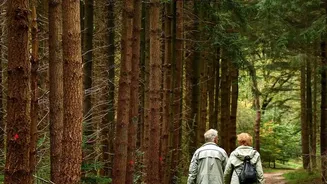
The turn towards outdoor recreation is also a direct response to the demands of modern urban life. After long hours spent indoors and staring at screens, there is a growing desire to disconnect from the digital world and reconnect with nature and other people. The mental and physical health benefits are significant. Studies have consistently shown that spending time in green spaces, or 'green exercise', can reduce stress, anxiety, and depression while increasing energy levels and improving cognitive function. For many, a morning run in the park is not just physical exercise but a form of therapy—a chance to clear their head, breathe fresh air, and find a sense of community in an often-isolating urban environment.
Reclaiming and Revitalising Public Spaces
This trend does more than benefit individuals; it has a positive impact on the cities themselves. By actively using these spaces, young citizens are implicitly demanding their upkeep and improvement. This grassroots revitalisation encourages municipal bodies to invest in better maintenance, safety, and amenities. In cities like Bangalore, well-maintained grounds in places like Cubbon Park and Lalbagh have become ideal for runners and walkers, demonstrating how quality public infrastructure can foster healthy lifestyles. This movement also highlights the critical importance of urban green spaces in creating more liveable, resilient, and connected cities, a fact increasingly recognised by urban planners. As more people use parks, they become safer and more integral parts of the neighbourhood fabric, reinforcing their value for the entire community.