



Boracay: Paradise Rehabilitated?
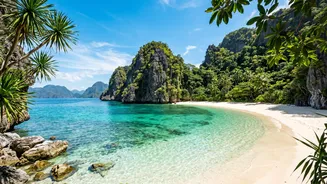
Boracay is the poster child for the double-edged sword of tourism. Famed for its powder-fine White Beach, it became so overwhelmed by unregulated development that it was dubbed a 'cesspool' and shut down for a six-month rehabilitation in 2018. The closure
addressed severe environmental issues like water pollution and illegal structures. The island reopened with new rules: a daily tourist cap, wider beachfront easements, and a ban on the wild parties that once defined its nightlife. While the waters are clearer and the beach is cleaner, the fundamental business model remains. In 2023, visitor numbers again exceeded targets, raising concerns about long-term sustainability. The island is now a more regulated, orderly version of its former self, but some feel it has traded chaotic energy for a more sanitized, less soulful commercialism, lined with chain restaurants and hotels.
El Nido: The Last Frontier Overwhelmed
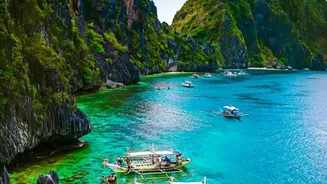
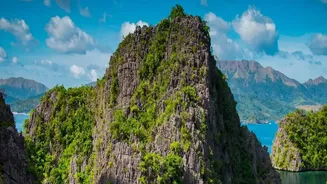
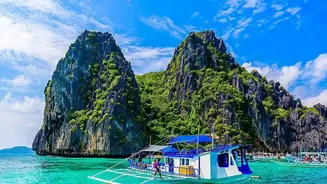
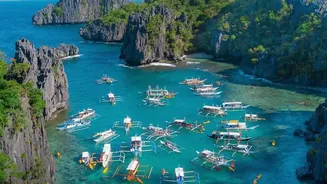
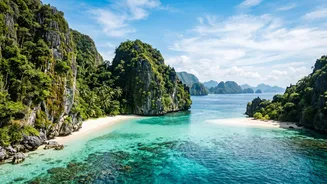
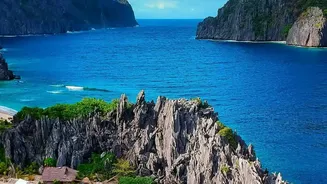
El Nido, Palawan, was long hailed as the Philippines' 'last frontier', a sanctuary of limestone karsts and secret lagoons. Today, that secret is out. The explosion in popularity, fueled by social media, has outpaced the town's infrastructure. While tourism has boosted the local economy, it has come at a cost, including contaminated coastal waters and damaged marine ecosystems from the sheer volume of tour boats. Island-hopping tours, the main attraction, can feel less like an adventure and more like a conveyor belt, with boats crowding into iconic spots like the Big and Small Lagoons. In response, authorities have implemented visitor limits for certain areas and banned single-use plastics. However, with tourist numbers surging past half a million in 2023, the strain on El Nido's delicate environment and limited resources remains a critical issue.
Baguio: The Fading Charm of the Summer Capital
Designed by American planners for a population of 25,000, Baguio now struggles with nearly 400,000 residents and over a million annual tourists. Once a cool, pine-scented mountain retreat, the city is now plagued by issues symptomatic of overdevelopment: severe traffic congestion, water shortages, and a dwindling tree population. The unique character that made Baguio a beloved escape is being eroded by the 'endless construction' of high-rise buildings and commercial structures. While the city's creative scene is a UNESCO-recognized asset, the daily grind of navigating its congested streets and the visible strain on public spaces like Burnham Park detract from the experience. For many long-time visitors, the 'Baguio we used to know' is a memory, replaced by the noise and stress of a city bursting at the seams.
Tagaytay: A View Obscured by Traffic
Just a short drive from Manila, Tagaytay’s primary draw has always been its cool climate and stunning view of Taal Volcano. This proximity has made it a default weekend getaway, leading to rampant commercialisation. The ridge overlooking the volcano is now dominated by a string of chain restaurants, sprawling hotels, and massive coffee shops, all vying for the same view. This has transformed a once-peaceful escape into a traffic_choked destination, especially on weekends and holidays. Many popular 'Tagaytay' spots are not even in the city itself but in neighboring towns, using the name for marketing clout. For those who remember a simpler Tagaytay of fruit stands and open spaces, the current landscape of overpriced cafes and gridlock traffic has killed much of its original charm.