







The Science of Pet-Induced Calm
The idea that petting an animal can make you feel better isn't just a feeling; it has a physiological basis. Interaction with animals can lower cortisol, a major stress hormone, while increasing levels of oxytocin, often called the “love hormone,” which
promotes bonding. A landmark study from Washington State University found that just 10 minutes of hands-on interaction with cats and dogs significantly reduced cortisol levels in stressed-out students. This confirmed what many pet owners intuitively know: spending time with our animal companions provides a real, measurable calming effect. The magic lies in that simple, direct connection, offering a quiet escape from the pressures of daily life.
The Canine Connection: Activity and Routine
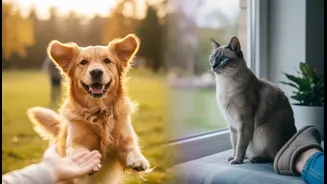
Dogs often influence our stress levels through a more active and structured pathway. Their need for daily walks, runs, and playtime gets owners moving, and physical activity is a well-documented stress reducer, known to release endorphins and improve sleep. Beyond just exercise, this routine provides a sense of purpose and predictability that can be incredibly grounding. Furthermore, dogs are social catalysts. Taking a dog for a walk can lead to more social interactions with neighbours and other dog owners, combating feelings of loneliness. Studies have also suggested that the bond with a dog can trigger a significant oxytocin release in humans, more so than with cats, reinforcing that deep sense of companionship and unconditional love.
The Feline Factor: Passive Presence and Calm
Cats, on the other hand, tend to offer a more passive form of stress relief. Their independent nature means they often require less direct engagement, providing a low-pressure form of companionship. For many, the simple, quiet presence of a cat can be profoundly calming. The physical act of petting a cat and hearing it purr has been linked to relaxation and a slower heart rate. While research into the hormonal effects is ongoing, some studies suggest that the nature of the bond is key. For owners who have a secure attachment with their cat, interaction can lead to a boost in oxytocin, similar to the effect seen in dog owners. Cats provide a gentle, ambient comfort that fits seamlessly into a quiet lifestyle.
It's Not a Contest, It's a Question of Context
Recent research highlights that the benefits of pet interaction are not always straightforward and can be highly dependent on the situation. A 2026 study published in Frontiers in Psychology found that while general interaction with both dogs and cats boosted positive emotions, it didn't necessarily buffer against negative feelings during a stressful event. Interestingly, for some stressed cat owners, more intense interaction was linked to stronger negative emotions, perhaps because the interaction didn't match their need for support in that moment. This doesn't mean cats are unhelpful; it simply underscores that the context of the interaction matters. The benefit may come from long-term companionship rather than an immediate fix in a moment of high stress.
The Best Stress Reliever Is the Pet That Fits You
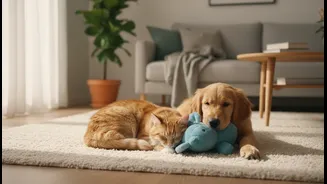
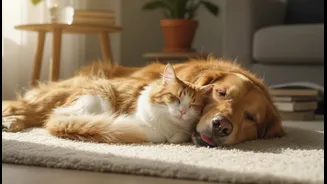
Ultimately, the decision of whether a dog or a cat is a better stress reliever is deeply personal. The evidence doesn't point to one species being universally superior. Instead, it's about the match between the owner's personality, lifestyle, and needs. An active person might find the routine of dog walks invigorating, while someone seeking quiet companionship might find more solace with an independent cat. The strength of the emotional bond appears to be more important than the species itself. Both animals offer unique pathways to well-being, whether through a game of fetch in the park or a quiet evening with a purring companion on your lap.