




The Unlikely Star of Social Media
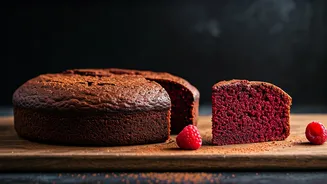
In the world of viral food trends, it takes a lot to stand out. Yet, the beetroot chocolate cake has done just that. Countless videos across social media platforms like Instagram and TikTok showcase its incredibly moist crumb and deep, dark colour, attracting
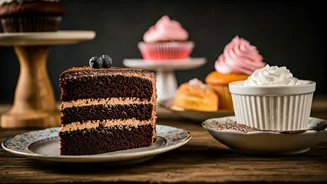
curious bakers and foodies alike. While the idea of vegetables in cake isn't new—carrot cake and zucchini bread are beloved classics—the use of beetroot in a chocolate sponge has sparked a new wave of culinary curiosity. The combination is praised for creating a cake that is not only visually stunning but also unbelievably fudgy and decadent. Comment sections are filled with surprised first-time bakers who can't believe the secret ingredient is a root vegetable, with many noting that you can't taste the beet at all.
Why Beetroot in a Cake?
The magic of this recipe lies in the properties of the beetroot itself. This humble root vegetable is a powerhouse of moisture, which is the key to the cake's famously tender texture. When cooked and pureed, the beets integrate seamlessly into the batter, ensuring the sponge remains soft and moist for days. Beyond texture, beetroot contains natural sugars, which enhance the cake's sweetness while allowing for slightly less refined sugar in the recipe. This creates a more complex, earthy sweetness that perfectly complements the bitterness of dark chocolate. And of course, there's the colour. While it doesn't turn the cake bright red like in a classic red velvet, it deepens the chocolatey hue and adds a subtle, natural reddish tint. Historically, using beets in cake has roots in World War II, when sugar was rationed and bakers turned to the naturally sweet vegetable as an alternative.
Your Step-by-Step Guide
Ready to try it for yourself? While many variations exist online, most successful recipes follow a similar process. You'll start with about two or three medium-sized raw beetroots. The first step is to cook them until they are tender enough to be easily pierced with a knife; this can be done by boiling, steaming, or roasting them wrapped in foil. Once cooked and cooled, the skins should slip off easily. The beets are then pureed in a blender or food processor until smooth. For the cake itself, you’ll typically cream together butter and sugar, then beat in eggs and vanilla. The melted dark chocolate (a good quality 70% cocoa is often recommended) and the beetroot puree are then mixed in. In a separate bowl, you'll sift your dry ingredients—flour, cocoa powder, baking soda, and a pinch of salt. Finally, the dry ingredients are gently folded into the wet mixture until just combined. The batter is then poured into a prepared cake pan and baked until a skewer inserted into the centre comes out clean.
Tips for a Perfect Bake
To ensure your cake turns out as moist and delicious as the viral versions, a few tips can make all the difference. Cooking the beets thoroughly is crucial; undercooked beets can lend an overly earthy, dirt-like flavour to the final product. Pureeing the beets until they are completely smooth will result in the best texture. Many recipes also call for coffee or espresso, which doesn't make the cake taste like coffee but rather enhances and deepens the flavour of the chocolate. Don't overmix the batter once you've combined the wet and dry ingredients, as this can lead to a dense and tough cake. For a truly decadent finish, many bakers top the cooled cake with a simple dark chocolate ganache or a tangy cream cheese frosting, which provides a perfect contrast to the rich cake.