






What Exactly Is El Niño?
Think of El Niño as a massive disruption in the Pacific Ocean that has global consequences. Normally, strong winds blow from east to west across the tropical Pacific, pushing warm surface water towards Asia. During an El Niño, these winds weaken or even
reverse. This allows a vast expanse of unusually warm water to build up in the central and eastern Pacific, off the coast of South America. This shift in ocean heat is so significant that it alters atmospheric circulation worldwide, changing temperature and rainfall patterns across continents, including the Indian subcontinent.
Why This Year's El Niño Is a Major Concern
The 2026 El Niño isn't just any El Niño; it's shaping up to be exceptionally strong. Global meteorological agencies have noted a rapid and intense warming of the Pacific Ocean. Forecasts from international bodies like the World Meteorological Organization (WMO) and NOAA indicate a high probability of a 'very strong' event peaking in late 2026. Some models even suggest it could become one of the strongest on record. The latest data from mid-August 2026 shows sea surface temperature anomalies in the key Niño 3.4 region have already surpassed the threshold for a strong event, and they are continuing to rise. This intensity is why alarm bells are ringing louder than usual.
The Critical Monsoon Connection
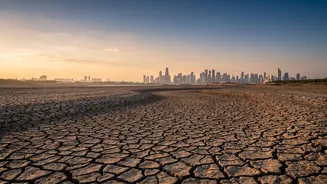
For India, El Niño's primary impact is on the southwest monsoon, the lifeblood of the nation's agriculture and economy. Historically, there is a strong inverse relationship: a stronger El Niño often means a weaker, more erratic monsoon. The warming of the Pacific disrupts the delicate atmospheric pressure and temperature gradients that drive the monsoon winds toward India. This can lead to prolonged dry spells, reduced overall rainfall, and a delayed withdrawal of the monsoon. The India Meteorological Department (IMD) has already warned that the strengthening El Niño is expected to have a growing impact, particularly on the second half of the monsoon season.
Impacts Beyond the Farm
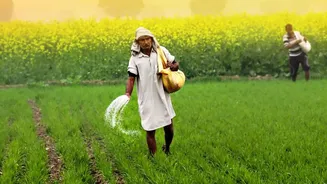
While agriculture is on the front line, the ripple effects of a poor monsoon can touch every aspect of the Indian economy. Lower crop yields, especially for rain-fed Kharif crops like rice, pulses, and oilseeds, can lead to food inflation, putting pressure on household budgets. Reduced rural income dampens demand for goods ranging from tractors to consumer products. Furthermore, deficient rainfall affects water levels in reservoirs, impacting drinking water supplies and the generation of hydropower. This can increase reliance on coal-fired power plants to meet energy demands, as both hydro and wind power generation can be weaker during El Niño years.
Forecasts and A Crucial Counterbalance
While the outlook is concerning, it's not set in stone. The IMD has forecast below-normal rainfall for the remainder of the season. However, the monsoon is a complex system influenced by multiple factors. One potential mitigating factor is the Indian Ocean Dipole (IOD), sometimes called the Indian Ocean's own version of El Niño. A 'positive' IOD, with warmer waters in the western Indian Ocean, can sometimes help counteract El Niño's drying effect by bringing more moisture to India. Forecasts suggest a positive IOD is developing, but its strength and ability to offset a powerful El Niño remain uncertain.