
The internet is buzzing with a chilly new skincare trend: DIY retinol ice cubes. But before you rush to your freezer, it’s crucial to understand what you're working with. Let's cool down the hype and clear up the confusion between retinol and vitamin
E.
The Viral 'Retinol Ice Cube' Trend
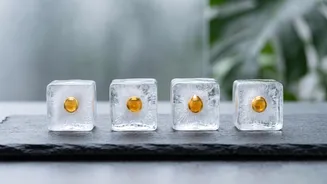
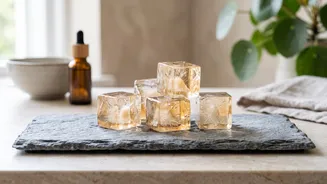
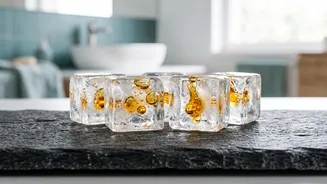
Social media feeds are awash with recipes for 'retinol' ice cubes, promising a magic bullet for spotless, glowing skin. These DIY concoctions typically involve blending ingredients like cucumber, potato juice, and aloe vera, then adding the contents of a vitamin E capsule before freezing. The idea is to combine the depuffing benefits of skin icing with the anti-aging power of active ingredients. Users are instructed to rub a frozen cube on their face daily. While the concept of using natural ingredients is appealing, the name itself is misleading. These recipes do not contain actual retinol, but rather ingredients rich in Vitamin A precursors and other vitamins.
The Cold, Hard Facts on Freezing Retinol
Putting actual retinol, a potent Vitamin A derivative, into a homemade ice cube is a bad idea. Firstly, retinol is a highly unstable molecule, sensitive to light, air, and temperature. Freezing it in a DIY mixture could degrade the ingredient, rendering it useless. Secondly, creating skincare at home without a chemist's precision is risky. You have no way of controlling the concentration, which could lead to severe irritation, redness, and a compromised skin barrier. Most dermatologists advise against refrigerating or freezing retinol products unless specifically instructed, as it can ruin the formula's texture and stability. The takeaway is clear: skip this risky trend and stick to professionally formulated products.
The Repairman: Understanding Retinol
So, what is true retinol? It's a derivative of vitamin a and the gold standard in dermatology for anti-aging. Retinol works by communicating with your skin cells, accelerating their turnover rate. This process helps to unclog pores, reduce acne, and, most famously, stimulate the production of collagen. More collagen means firmer, plumper skin with a reduction in the appearance of fine lines and wrinkles. However, this power comes with a price. Retinol can be irritating, causing dryness, peeling, and increased sun sensitivity, especially when you first start using it.
The Protector: Understanding Vitamin E
Vitamin E, often listed as tocopherol on ingredient labels, plays a completely different role. It's a fat-soluble antioxidant whose primary job is to protect your skin. Think of it as a bodyguard, neutralizing damage from environmental aggressors like UV radiation and pollution. These aggressors create unstable molecules called free radicals, which accelerate skin aging. By stopping them, Vitamin E helps defend your skin's structure. It is also an excellent moisturising ingredient, helping to strengthen the skin barrier, prevent water loss, and soothe inflammation.
Retinol vs. Vitamin E: The Key Differences
The easiest way to understand the difference is to think in terms of 'repair' versus 'protect'. Primary Action: Retinol actively repairs and resurfaces the skin by boosting cell turnover and collagen production. Vitamin E protects the skin from external damage and strengthens its defensive barrier. Main Goal: Use retinol to target existing signs of aging like wrinkles and texture. Use Vitamin E for hydration, soothing benefits, and antioxidant protection. Tolerance: Retinol is known for its initial irritation period and requires a gradual introduction into your routine. Vitamin E is generally well-tolerated by most skin types and is known for its calming properties.
Better Together: Using Both in Your Routine
The great news is that you don't have to choose between them. In fact, retinol and vitamin e work wonderfully together. Many professionally formulated retinol products include vitamin e because it has a dual benefit. Technically, it helps to stabilize the fragile retinol molecule in the formula. Cosmetically, Vitamin E's soothing and moisturizing properties can help counteract the dryness and irritation often caused by retinol, making the adjustment period easier. You can look for a product that contains both, or layer them. A common method is to apply your retinol serum to clean, dry skin, wait a few minutes, and then apply a moisturizer rich in Vitamin E on top.