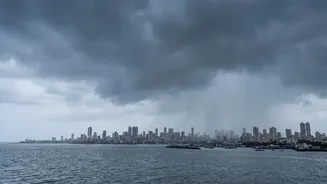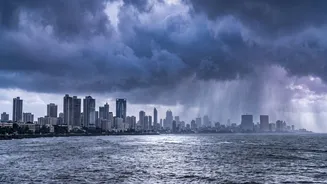



What Happened This August?
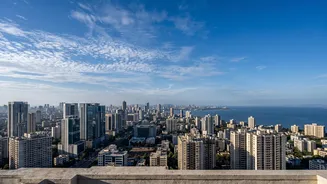
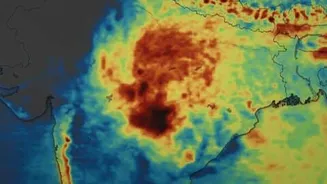
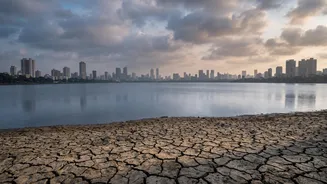
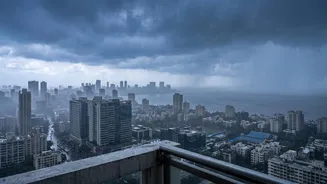
This year's monsoon season has been a story of extremes. After a significantly delayed onset that left the city's water reservoirs worryingly low in June, July brought intense downpours that erased the deficit. However, August has been comparatively subdued.
According to India Meteorological Department (IMD) data, the rainfall recorded in Mumbai from August 1 to 25 was just 302.3 mm. This figure is a fraction of the 1,054.2 mm received during the same period in the previous year. While the season's total rainfall since June is approaching the average, the distribution has been anything but normal, with long dry spells punctuated by short, intense bursts of rain. Forecasts for the last week of August suggest continued light to moderate showers, making it unlikely that the month will reach its typical rainfall average.
The 'Normal' Monsoon Fluctuation
So, is this variability normal? To an extent, yes. The Indian monsoon is a complex system influenced by numerous factors. Phenomena like El Niño—the warming of the Pacific Ocean—are known to influence the monsoon, often leading to delayed onsets and suppressed rainfall. This year, a developing El Niño was predicted to cause a weaker monsoon. Furthermore, localised weather systems like offshore troughs and low-pressure areas in the Arabian Sea play a crucial role. These systems can activate and deactivate, causing periods of heavy rain followed by lulls. The movement of moisture-laden winds colliding with the Western Ghats is what gives Mumbai its torrential rain, and any change in these wind patterns can cause significant fluctuation. Therefore, a month with below-average rainfall within an overall normal season is a common feature of this natural variability.
The Climate Change Amplifier
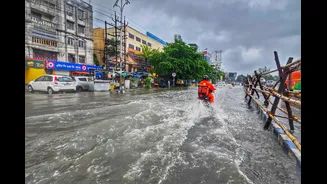
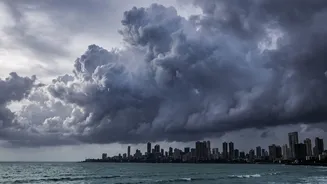
However, experts increasingly argue that while fluctuations are normal, climate change is fundamentally altering the monsoon's character. Scientists point out that rising global temperatures are warming the atmosphere and the oceans, including the Arabian Sea. A warmer atmosphere can hold more moisture, which means that when the right conditions for rain do occur, the downpours are far more intense. The pattern is shifting towards fewer rainy days but more extreme rainfall events. This explains the 'whiplash' effect Mumbai has been experiencing: long dry spells followed by sudden, flood-inducing deluges that overwhelm the city's infrastructure. Climate change acts as an amplifier, turning normal variations into more volatile and dangerous weather events.
A Pattern of Extremes
Long-term data supports this theory. Studies show a discernible trend of increasing extreme rainfall events across western India. One analysis cited by Climate Trends noted that average monsoon rainfall in Mumbai increased by nearly 15% between 2001-2024 compared to the 1981-2000 period. Another report projects that suburban Mumbai could see almost an additional week of heavy rainfall in the near future during the monsoon. Experts now believe that El Niño and climate change can no longer be viewed as separate issues. While El Niño may delay the monsoon's arrival, climate change determines its behaviour once it does, making it more erratic and intense.
So, Fluctuation or Change?
The answer isn't a simple either-or. Mumbai's 2026 August rainfall is a clear example of seasonal fluctuation, influenced by immediate meteorological conditions. However, the nature of this fluctuation—part of a broader pattern of erratic, high-intensity rainfall events—fits perfectly with what scientists expect from a changing climate. It’s a seasonal variation happening within a new, more volatile reality. The monsoon isn't just fluctuating; its very behaviour is being reshaped. The result is that while the total volume of rain over a season might look normal, the way it arrives is becoming more unpredictable and concentrated, posing greater risks of both floods and water scarcity. This new reality demands more than just watching the skies; it requires a fundamental rethink of urban planning and disaster preparedness.