




The Monsoon Craving Conundrum
When the skies turn grey and the temperature drops, our bodies instinctively seek warmth and comfort. For many of us in India, this translates to a plate of hot pakoras, samosas, or buttery parathas, usually accompanied by a steaming cup of chai. While
undeniably delicious, this 'comfort food' is often heavy, oily, and difficult to digest. During the monsoon, our digestive system is naturally a bit more sluggish due to the increased humidity and reduced sunlight. Indulging too often in these fried delicacies can lead to bloating, acidity, and general lethargy, while also potentially weakening our immunity at a time when we need it most.
Meet the Ultimate Comfort Bowl: Khichdi
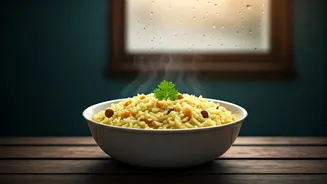
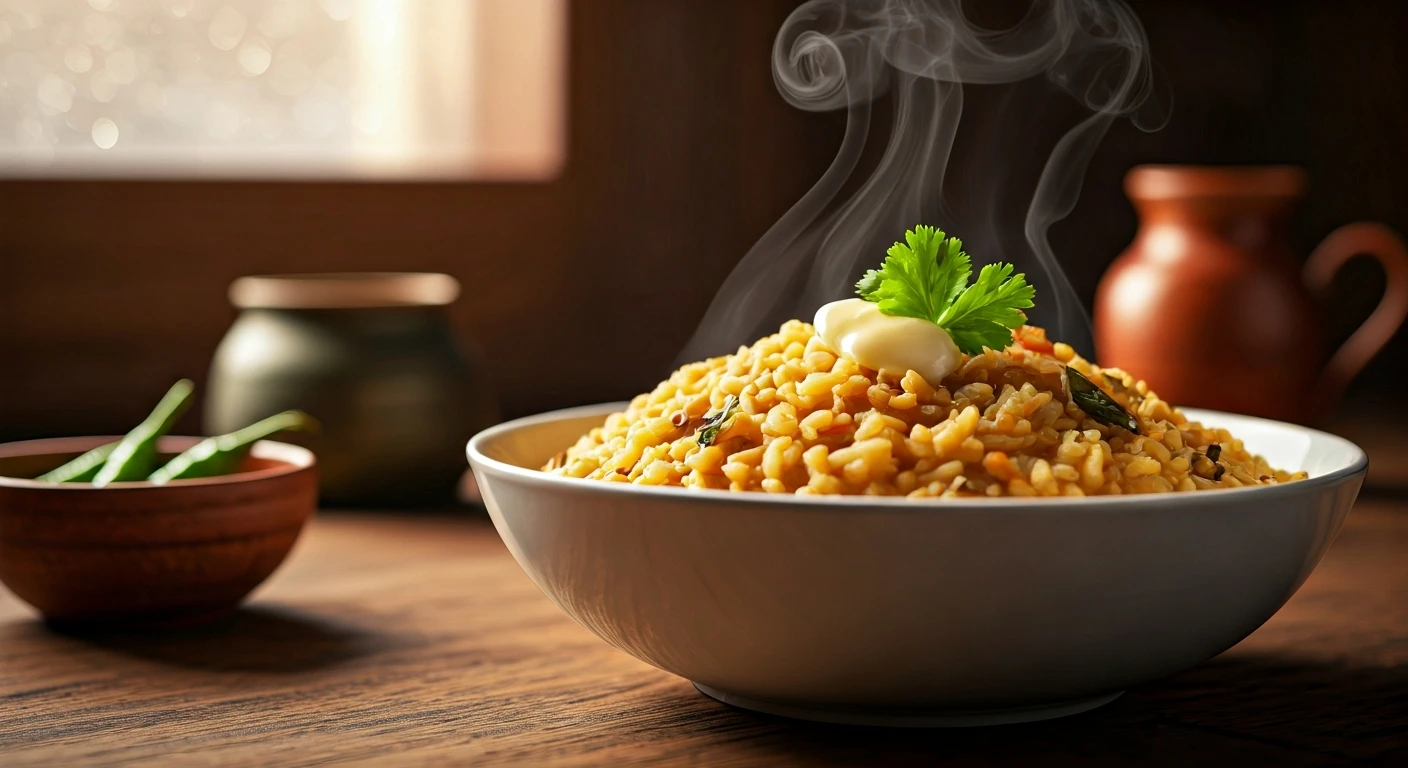
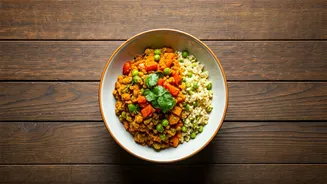
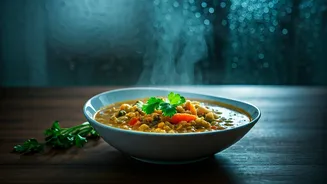
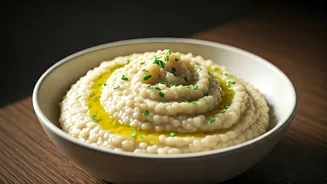
The answer to this conundrum is a humble, one-pot wonder that has been a staple in Indian households for centuries: Khichdi. Often unfairly typecast as 'sick person food,' khichdi is, in reality, a culinary masterpiece of simplicity and nourishment. It's a wholesome dish made from a combination of rice and lentils, slow-cooked to a soft, porridge-like consistency. Far from being bland, it serves as a perfect canvas for a variety of spices, vegetables, and a generous dollop of ghee. It’s the culinary equivalent of a warm hug—deeply satisfying, incredibly gentle on the stomach, and packed with goodness.
A Monsoon Superhero for Your Gut
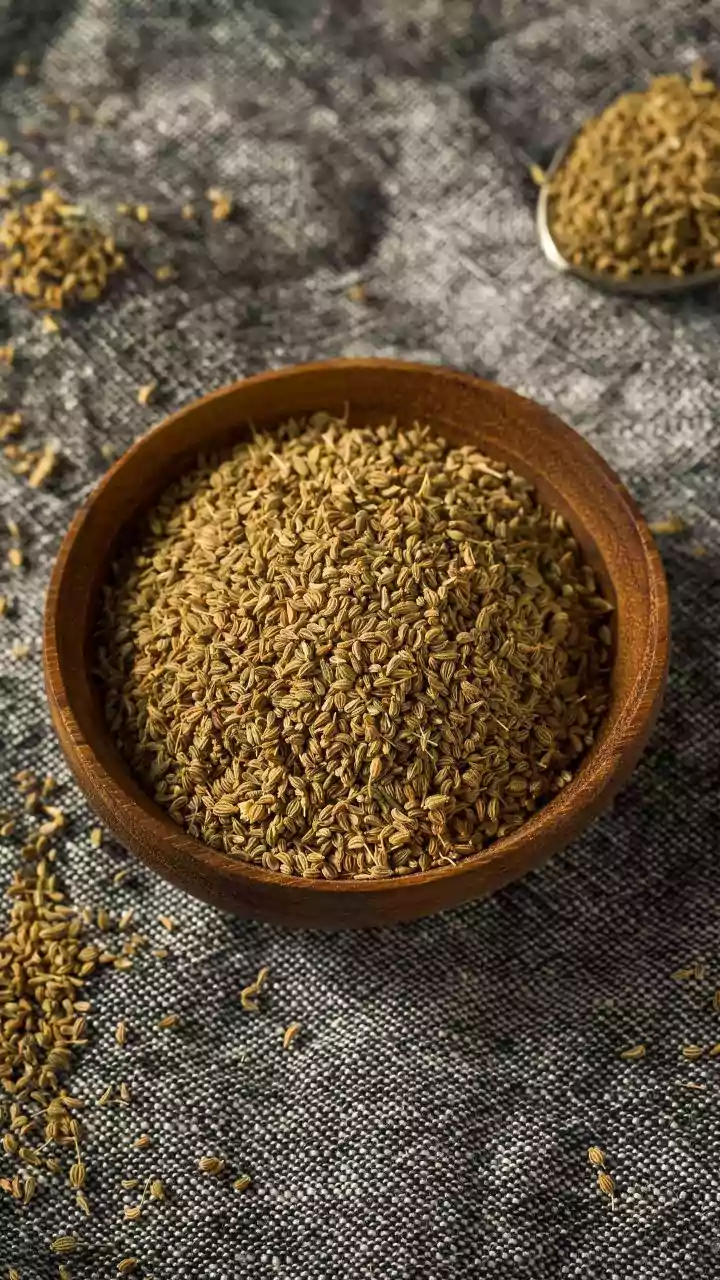
So, what makes khichdi the ideal monsoon meal? Its power lies in its ingredients and preparation. The traditional combination of rice and moong dal creates a complete protein that is exceptionally easy to digest. Moong dal, in particular, is the lightest among all lentils, preventing the digestive distress that heavier pulses can cause. The magic continues with the spices. Turmeric, a non-negotiable in any khichdi, is a powerful anti-inflammatory and immunity booster. Ginger and cumin aid digestion and help combat colds, while a pinch of asafoetida (hing) prevents gas and bloating. This symphony of ingredients works together to keep your gut happy and your body’s defences strong against common monsoon ailments like the flu and stomach infections.
More Than Just Rice and Lentils
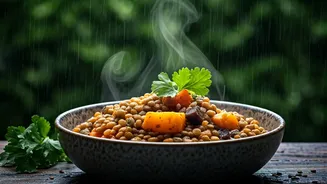
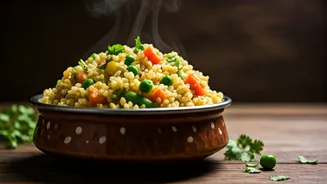
The beauty of khichdi is its versatility. You can transform this simple base into a complete, nutrient-dense meal. Adding seasonal vegetables like carrots, peas, cauliflower, and beans not only enhances the flavour and texture but also loads the dish with essential vitamins and fibre. For a richer flavour, you can temper the khichdi with a 'tadka' of ghee, cumin seeds, mustard seeds, and dried red chillies. You can also experiment with different lentils, though moong dal remains the most digestible option. Whether you like it runny like a soup or thick like a risotto, khichdi can be adapted to your preference, making it a dish you can enjoy multiple times a week without getting bored.
A Simple Blueprint for Your Perfect Bowl
Making khichdi is wonderfully simple. Start by rinsing equal parts rice and moong dal. In a pressure cooker or a deep pot, heat a spoonful of ghee and add cumin seeds, a pinch of asafoetida, and some grated ginger. Sauté for a moment before adding the rice, dal, turmeric powder, and salt. Add about four to five times the amount of water, depending on how soupy you want it. If using a pressure cooker, cook for about 4-5 whistles. If using a pot, cover and let it simmer until the rice and dal are completely soft and mushy, stirring occasionally. Serve hot, topped with another spoonful of pure ghee for ultimate comfort and flavour.