






The Predictable Chaos of Monsoon Travel
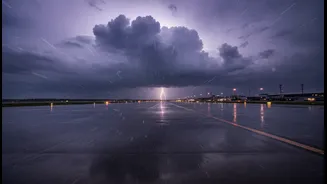
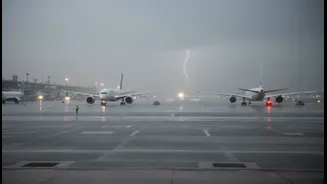
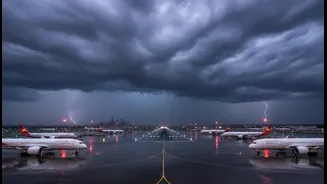
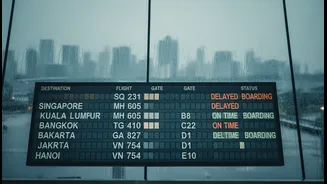
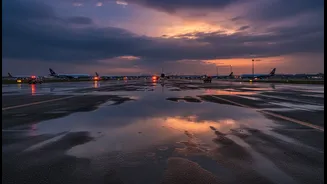
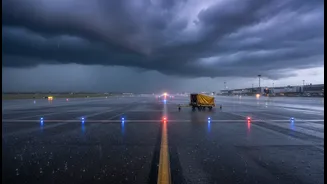
Every year, as the monsoon sets in over Eastern India, transport networks face a familiar and formidable challenge. For air travellers, heavy rain, low visibility, and gusty winds frequently disrupt flight schedules at Kolkata's Netaji Subhas Chandra
Bose International Airport. Airlines often issue advisories warning of delays and potential cancellations. Just recently, on July 10, 2026, steady showers and overcast skies caused waterlogging in low-lying areas, affecting traffic and prompting airlines to warn of potential flight disruptions. The India Meteorological Department (IMD) has forecast that this wet spell, with widespread rainfall, is expected to continue across Gangetic West Bengal. This isn't just an airport issue; roads leading to the airport become congested due to waterlogging, adding another layer of uncertainty to your travel time.
Why Leaving Early Is Your Best Strategy
The simple act of starting your journey significantly earlier is the single most effective strategy to counter monsoon-related travel stress. It’s less about a race against time and more about building a crucial buffer. Giving yourself an extra one or two hours might seem excessive, but it accounts for the domino effect of monsoon disruptions. A waterlogged street can cause a traffic jam that makes you miss your check-in. A sudden downpour can slow down train services, causing knock-on delays across the network. By leaving early, you absorb these potential delays, arriving at the airport or station feeling calm rather than frantic. This extra time allows you to navigate crowded terminals, handle unforeseen issues with ticketing or baggage, and ultimately, begin your trip with your peace of mind intact. It's a proactive measure that puts you back in control.
A Flyer’s Guide to Beating the Rain
For those flying out of Kolkata, the 'leave early' rule is non-negotiable. Before you even step out, relentlessly check your flight status and monitor weather updates from the IMD. Airlines like SpiceJet and IndiGo regularly post advisories during bad weather. Plan your route to the airport, considering that arterial roads can become chokepoints. Once at the airport, having extra time means you won't be flustered by long queues at security or last-minute gate changes—common occurrences during operational disruptions. Remember that even if your flight is on time, the journey to get there is the biggest variable. Treat the airport as your safe harbour from the storm, a place to reach well in advance.
Tips for Train and Road Journeys
The challenges extend to rail and road travel as well. Heavy rains can lead to waterlogged tracks, forcing trains to run at reduced speeds or, in severe cases, be rerouted or cancelled. Landslides in hilly areas of the region, such as in North Bengal, can also disrupt both rail and road links. If you are travelling by train or bus, departing for the station early is just as critical. It ensures you don’t miss your service due to traffic snarls. For long-distance bus journeys, be prepared for slower travel times as drivers navigate wet and potentially damaged roads. The key is to allow for extra time at every stage of your journey.
Your Monsoon Travel Checklist
Beyond just leaving early, a few extra preparations can make a world of difference. Pack a sturdy umbrella and a reliable raincoat. Opt for quick-drying clothes and waterproof footwear to stay comfortable. A waterproof cover for your backpack and smaller plastic bags for electronics like phones and power banks are essential. Speaking of which, carry a fully charged power bank, as delays can leave you searching for a charging point. Have digital and physical copies of your tickets and identification. Finally, pack some dry snacks and a bottle of water; long delays can mean extended waits with limited access to food and drink.