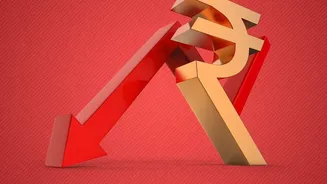







Rising prices are pinching household budgets across India. For home loan borrowers, this economic pressure brings a double worry: how will inflation and potential changes to your Equated Monthly Instalment (EMI) affect your largest financial commitment?
The Current Economic Climate
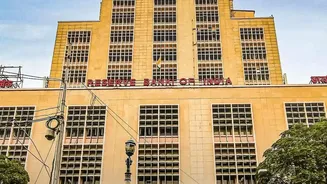
India's retail inflation rate rose to 6.09% in October 2026, crossing the Reserve Bank of India's (RBI) upper tolerance limit of 6% for the first time in two years. This was largely driven by a sharp increase in food prices, which climbed by 8.94%. When inflation rises persistently, the RBI, which is tasked with maintaining price stability, often steps in. Its primary tool is the repo rate—the rate at which it lends money to commercial banks. In October 2026, the RBI already increased the repo rate by 25 basis points (0.25%) to 5.50%. With inflation remaining high, many economists expect further rate hikes.
How Rate Hikes Impact Your Loan
For most home loan borrowers in India, the impact of a repo rate hike is direct and significant. The majority of home loans today are on a 'floating' interest rate, which is linked to an external benchmark like the RBI's repo rate. When the RBI raises its rate, banks pay more for their funds and, in turn, pass on this increased cost to borrowers. This results in a higher interest rate on your loan. Lenders typically respond in one of two ways: they either increase your monthly EMI, or they extend your loan's tenure, meaning you pay the same EMI but for a longer period. Fixed-rate loans, on the other hand, keep your EMI constant for a predetermined period, shielding you from immediate changes.
The Choice: Higher EMI or Longer Tenure?
When your lender adjusts your floating rate loan, you might face a choice. Increasing your EMI means a bigger monthly payment, which can strain your budget. However, simply extending the tenure, while keeping the monthly payment the same, is often the more expensive option in the long run. A longer tenure means you'll be paying interest for more years, significantly increasing the total interest paid over the life of the loan. For example, a 0.50% rate increase on a ₹30 lakh loan with a 20-year tenure could increase your EMI by about ₹940 per month. If the tenure is extended instead, it could add more than a year to your repayment schedule.
Fixed vs. Floating Rates in 2026
The current rising rate environment highlights the classic dilemma between fixed and floating rates. A fixed rate offers predictability, which is valuable for those on a tight budget who cannot absorb sudden EMI increases. However, this certainty comes at a price, as fixed rates are typically set 1% to 2.5% higher than prevailing floating rates. Most experts suggest that for long-term loans, a floating rate is often more beneficial, especially since they allow for prepayment without penalties, giving borrowers flexibility. With the RBI having kept rates stable for a period before the recent hikes, floating rates have been advantageous. The best choice depends on your personal risk appetite and financial stability.
Strategies to Manage the Burden
If you are facing a higher EMI, you are not without options. One of the most powerful strategies is making partial prepayments. Using any surplus funds, like a bonus, to pay down your principal amount directly reduces your interest burden and can shorten your loan tenure. Another option is to increase your EMI amount voluntarily as your income grows; even a small annual increase can help you close the loan faster and save lakhs in interest. For those who find a significant difference between their current rate and what other lenders offer, refinancing (a balance transfer) to a bank with a lower interest rate is also a viable strategy. Even a 0.5% reduction can lead to substantial savings over the loan's term.