






The Undeniable Magic of UPI
Let's be clear: the Unified Payments Interface (UPI) is a marvel of financial technology that has revolutionised daily life in India. [6] Launched in 2016, it has made transactions seamless, secure, and instantaneous, whether you're buying vegetables
from a street vendor, paying utility bills, or splitting a dinner bill with friends. [13] It has dramatically reduced reliance on physical cash and accelerated India's journey towards a digital economy. [6, 14] This convenience is powerful, empowering millions and making financial transactions more accessible and transparent than ever before. [5] For this, UPI deserves all the credit it gets.
The Psychology of Frictionless Spending
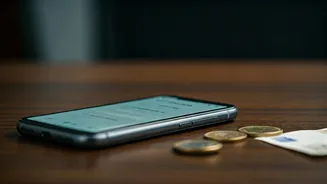
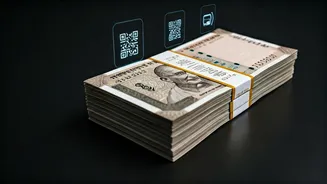
However, this very seamlessness hides a psychological trap. Behavioural economists talk about the "pain of paying," which is the tangible, emotional discomfort we feel when handing over physical cash. [10] Watching notes leave your wallet serves as a natural brake on spending. [7] Digital payments, by design, remove this friction. [4] A simple scan and a PIN tap feel abstract and disconnected from the reality of money leaving your account. [2] Studies have consistently shown that people are willing to spend more when using cards or digital methods compared to cash, because the psychological cost feels lower. [7, 8] This digital anaesthesia can lead to what experts call 'invisible spending,' where money flows out with so little resistance that we barely notice it's gone. [9]
Death by a Thousand Scans
The primary danger of UPI's convenience lies in the aggregation of small, thoughtless purchases. A ₹20 chai, a ₹100 auto ride, a ₹300 food delivery—each transaction feels insignificant on its own. [9] Unlike a dwindling wallet of cash, a bank balance is just a number on a screen that doesn't feel 'lighter' after each small debit. Several studies and surveys indicate that since adopting UPI, a significant number of users report increased overall spending and a tendency to overspend their budgets. [3, 12, 15] Cashback offers and rewards, while attractive, further encourage this behaviour, nudging us to spend on things we might not actually need. [9, 14] Over a month, these minor, impulsive expenses can snowball into a major, unintended deficit in our budget.
How to Reclaim Control in the UPI Era
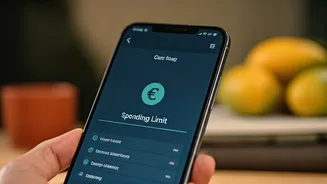
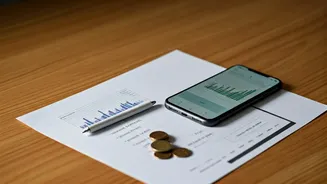
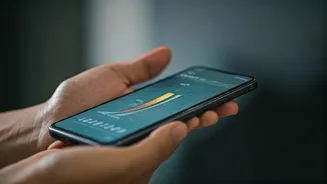
The goal isn't to abandon UPI, but to master it. Financial discipline can coexist with digital convenience if we build intentional systems. One of the most effective strategies is to create a 'digital envelope.' Maintain a secondary bank account linked to your UPI apps and transfer a fixed weekly or monthly spending budget into it. [16, 20] Once that money runs out, your spending automatically stops. Another approach is to diligently use budgeting apps that sync with your UPI transactions to categorise and track spending in real-time. [17, 18] Scheduling a weekly 'money date' to review your UPI transaction history can also bring much-needed awareness. [16] Some even find success with a hybrid model: using UPI for fixed needs like bills and withdrawing cash for discretionary 'wants' like entertainment. [16]
A Tool, Not a Master
Ultimately, UPI is a powerful tool, and like any tool, its impact depends on the user. The platform itself provides features that can aid discipline; every transaction is recorded, creating a detailed digital ledger that can be used for financial analysis and planning. [18, 19] The problem isn't the technology, but our unthinking adoption of it. By becoming complacent, we allow the convenience to override our financial judgment. The key is to move from passive spending to active financial management. By setting our own rules, creating deliberate friction, and regularly reviewing our digital money trail, we can harness the power of UPI without falling victim to its hidden costs. Financial discipline is a mindset, not a payment method. It’s about ensuring that technology serves our financial goals, not the other way around.