



The Humble Pearl: Sabudana
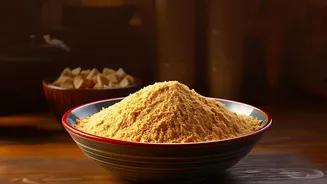
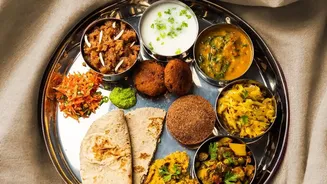
For many, the sight of fluffy sabudana khichdi or crispy vadas evokes feelings of comfort and tradition. Sago pearls, or sabudana, are a cornerstone of fasting foods, particularly during Hindu festivals like Navratri, Mahashivratri, and Ekadashi. The
reason for its prominence is simple: it provides a quick and sustained source of energy. As a pure starch, it offers the necessary carbohydrates to keep devotees going during long fasts when grains like wheat and rice are avoided. This practical energy source, once reserved for 'vrat' days, slowly found its way into our daily lives. Its unique texture and versatility made it a favourite for snacks, breakfast dishes, and even desserts, proving that what starts as a necessity can easily become a preference.
The Pure Salt: Sendha Namak
During fasting periods, many everyday spices are off-limits, but one seasoning remains essential: sendha namak, or rock salt. Mined from salt deposits, it is considered the 'purest' form of salt because it undergoes minimal processing and contains no additives. In Ayurvedic tradition, it's valued for its cooling properties and trace minerals, which are believed to aid digestion and replenish the body. While common table salt is avoided, sendha namak is permitted, allowing food to be seasoned without breaking the spiritual tenets of the fast. Over time, its subtle, less harsh flavour profile has been appreciated by chefs and home cooks alike, earning it a permanent spot in the spice rack for use in everything from salads to daily cooking, long after the fasting period has ended.
The Hardy Grain: Kuttu ka Atta
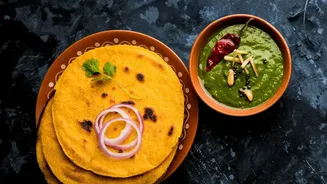
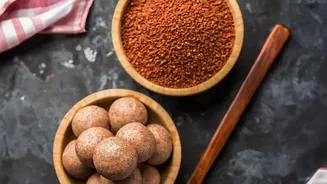
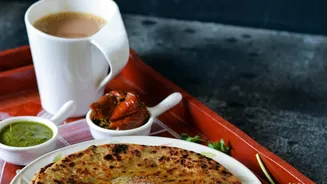
When cereals are forbidden, what do you use to make rotis and puris? The answer for generations has been kuttu ka atta, or buckwheat flour. Despite its name, buckwheat is not a true wheat or cereal grain; it's a seed, making it an acceptable food during many Hindu fasts. Rich in protein, fibre, and essential nutrients, kuttu provides wholesome nourishment. It has a distinct, nutty flavour that pairs beautifully with potatoes and other fasting vegetables. Its widespread use during Navratri, in particular, introduced it to a broader audience. People began appreciating its health benefits and unique taste, leading to its adoption in mainstream health-conscious diets. From kuttu ke pakode to rotis, this fasting flour has successfully transitioned from a ritualistic requirement to a healthy, everyday alternative.
The Sweet Beginning: Dates
During the holy month of Ramzan, the breaking of the day-long fast, or Iftar, traditionally begins with consuming dates. This practice follows the teachings of the Prophet Muhammad. Beyond its deep religious significance, there is a physiological reason for this choice. After a full day of fasting, the body needs an instant source of energy, and dates are a natural powerhouse of sugars like fructose and glucose. They are also rich in fibre, potassium, and magnesium, helping to rehydrate and replenish the body gently before a larger meal. This daily ritual has cemented the date's association with nourishment and hospitality. While always a popular dry fruit, its connection to Ramzan has elevated its status, making it a symbol of shared community and a staple in households for snacking and desserts throughout the year.
The Versatile Roots: Potatoes and Yams
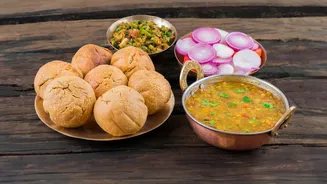
Root vegetables, especially potatoes, sweet potatoes (shakarkandi), and yams (suran), are the unsung heroes of fasting cuisine. They are permitted during fasts when many other vegetables are not, providing essential carbohydrates and a feeling of fullness. Their incredible versatility is their greatest strength. They can be boiled and mashed, fried into chips, cooked into sabzis with sendha namak and mild spices, or even transformed into desserts like halwa. This reliance on root vegetables during fasting periods showcased their adaptability to a wide audience. As a result, dishes that were once considered 'vrat ka khana' are now enjoyed as everyday comfort food, a testament to how these humble tubers became indispensable pillars of the Indian kitchen.