







So, What Exactly Is This Digital Magic?
Launched in 2016 by the National Payments Corporation of India (NPCI), the Unified Payments Interface, or UPI, isn't just another app like Venmo or Zelle. Think of it more like a public utility for money. It’s a single, open network that connects all
of the country's banks and dozens of payment apps (including giants like Google Pay and PhonePe) onto one shared platform. This means a person using one bank's app can instantly pay someone using a completely different app, something that remains a point of friction in the U.S. All you need is a virtual payment address, often linked to your mobile number. The system allows for instant, 24/7 transfers directly between bank accounts, effectively making digital payments as easy as sending a text message.
The QR Code on Every Corner
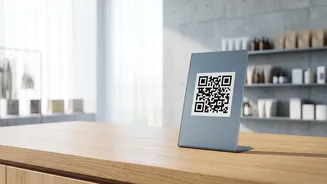
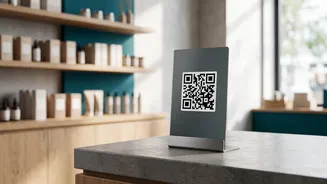
Before UPI, India was an economy where over 90% of transactions were in cash. This created huge challenges for small vendors, from the risk of theft to the simple hassle of providing exact change. UPI changed the game with the widespread adoption of the QR code. A street-side tailor or a tiny tea stall can print a static QR code and tape it to their counter. Customers scan it, enter the amount, type in a secure PIN, and the payment is confirmed instantly for both parties. There's no need for expensive card-swiping terminals or complex hardware. This simple, low-tech solution brought millions of micro-merchants into the digital economy overnight, allowing them to accept cashless payments from anyone, regardless of which UPI-enabled app the customer used.
From Cash Flow to Credit Access
The most profound change for small shops isn't just the convenience; it's the economic empowerment. First, instant settlements dramatically improve cash flow. Money that once took days to clear from card payments now arrives in their account in real-time, helping them pay suppliers and manage daily expenses. Even more importantly, every transaction creates a digital footprint. For the first time, a small vendor who operated entirely in the informal, cash-based economy now has a verifiable record of their income. This digital history becomes their financial identity, proving their creditworthiness to banks. As a result, millions of small business owners who were previously considered "unbankable" can now access formal loans to buy inventory, upgrade their shops, and grow their businesses.
An End to the Free Lunch?
For years, UPI's most attractive feature for merchants was that it was free. However, running a network that processes billions of transactions monthly isn't cheap. To ensure the system's long-term sustainability, a small merchant fee, known as the Merchant Discount Rate (MDR), is being introduced in October 2026. This carefully structured 0.4% fee will only apply to merchant transactions over about $25 (₹2,000), and the smallest vendors are exempt. While no longer completely free for all, this rate is still a fraction of the 2-3% interchange fees that are standard for credit card transactions in the United States, keeping the platform highly accessible for the vast majority of businesses.
Why Doesn't the U.S. Have This?
The American payment landscape is a patchwork of powerful but separate systems. You have Zelle for bank-to-bank transfers, Venmo and Cash App for peer-to-peer payments, and the deeply entrenched credit card networks. The Federal Reserve's FedNow system, launched in 2023, enables real-time payments but acts as back-end infrastructure for banks, not a unified, consumer-facing app you can download. The key difference is interoperability. UPI is a single, open rail that everyone plugs into. In the U.S., these systems are more like walled gardens. You can't easily use Zelle to pay someone on Cash App. This fragmentation is where friction and fees hide, a problem India solved by building a unified public infrastructure from the start.