





Preparation is Your First Line of Defence
A safe trip begins before you even turn the key. With a red alert in effect, your first step should be to question if the journey is essential. Authorities often advise avoiding unnecessary travel during extreme weather. If you must go, check the latest
weather forecasts from the IMD and local traffic advisories. Next, give your vehicle a thorough monsoon check-up. Ensure your tyres have deep treads for better grip on wet roads; the standard one-rupee coin test can help you gauge the depth. Check that your wiper blades are in good condition and can clear the windscreen without smudges. Finally, test your brakes, lights, and horn. A well-maintained car is crucial when visibility is low and stopping distances are longer.
Mastering the Mumbai-Pune Expressway
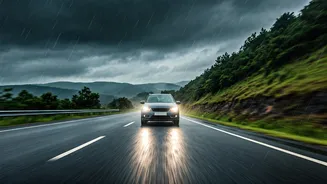
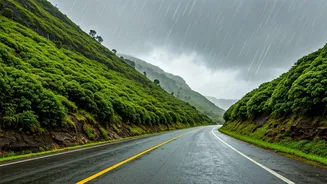
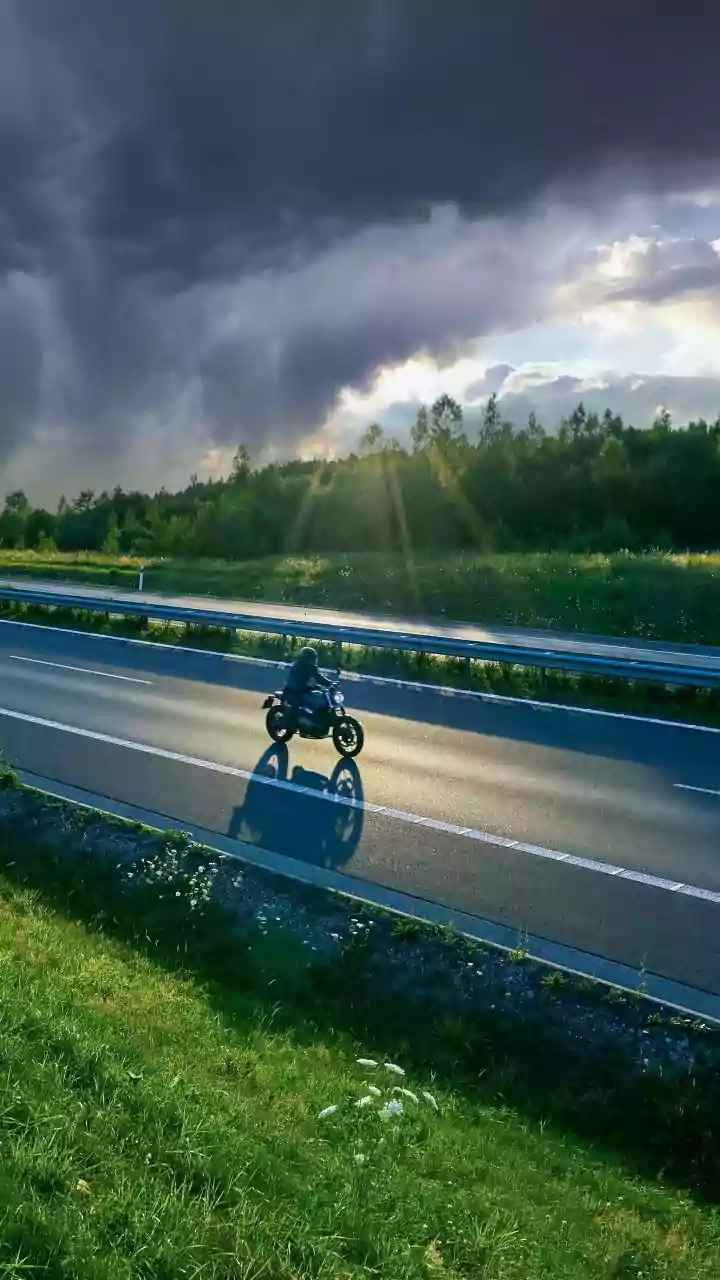
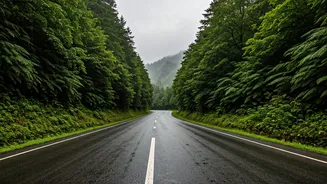
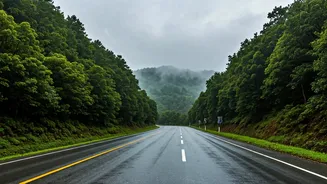
The Expressway is your primary route, but it presents its own set of challenges during a downpour. The number one rule is to slow down. Wet roads significantly reduce tyre grip, increasing the risk of hydroplaning, where your tyres lose contact with the road surface. To avoid this, reduce your speed and turn off cruise control to maintain full command of your vehicle. Increase your following distance from the vehicle ahead to at least three to four seconds; this gives you more time to react to sudden stops. Turn on your low-beam headlights even during the day to improve your visibility to other drivers. The ghat section near Lonavala is a known bottleneck, prone to traffic snarls and accidents, so be extra patient and maintain strict lane discipline.
The Golden Rules of Ghat Driving
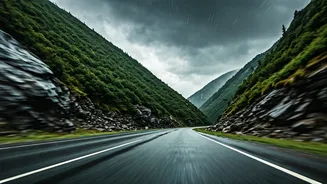
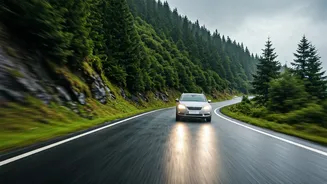
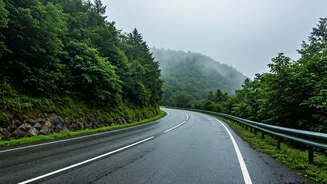
The winding roads of the Lonavala and Mahabaleshwar ghats demand special attention. The golden rule is to always give way to traffic coming uphill. Vehicles climbing a slope require more momentum and find it harder to start again from a standstill. Be prepared to pull over and wait. Landslides and falling rocks are a real danger in these areas, which are known to be susceptible to such events. A recent incident saw boulders falling on a car on the Expressway link road. Avoid stopping at precarious spots, especially near waterfalls, no matter how tempting the view. Halting on the narrow shoulder of the road to take pictures is illegal and can cause major accidents. Use your horn at blind corners and hairpin bends to alert oncoming traffic of your presence.
Handling Waterlogged Roads
Heavy rains often lead to waterlogging in low-lying areas and on roads with poor drainage. As a rule, avoid driving through flooded roads, especially if you cannot gauge the depth of the water. Just six inches of water can be enough to cause you to lose control of your vehicle. If you encounter a flooded patch that seems shallow and you have no alternative, engage first gear and keep the engine revs high by lightly pressing the clutch. This prevents water from entering the exhaust pipe. Drive through slowly and steadily. Once you are on dry ground, tap your brakes gently a few times to dry them out and ensure they are working effectively.
Your Monsoon Emergency Toolkit
Being prepared for the worst can make all the difference. Pack an emergency kit in your car. This should include a powerful flashlight, a fully charged power bank for your phone, a first-aid kit, and some dry food and water. Waterproof jackets and footwear with good grip are essential if you need to step out of the car. Keep a list of emergency contacts handy, including roadside assistance numbers for the region and the Expressway helpline (98224 98224). It’s also wise to have a tow rope and basic tools, just in case. Inform a family member or friend about your route and estimated time of arrival.