




What Exactly Is Agrivoltaics?
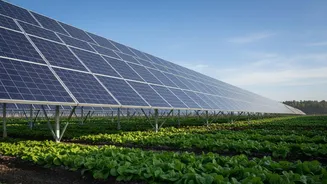
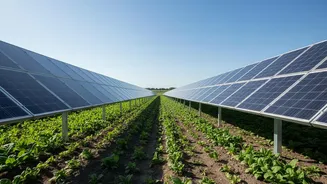
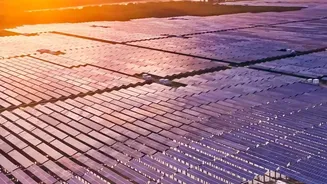
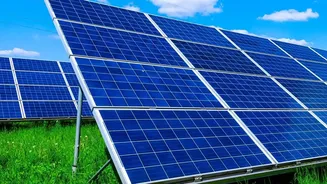
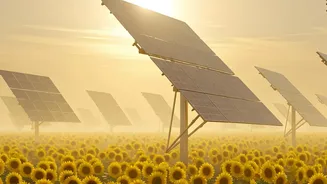
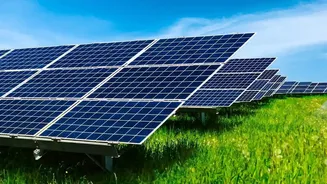
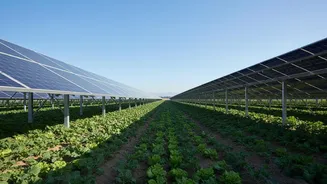
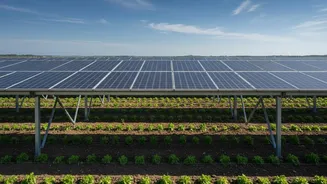
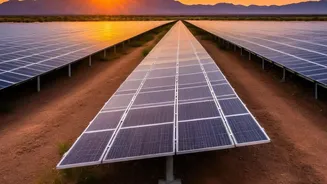
At its core, agrivoltaics is a dual-use land strategy. It involves installing solar panels on elevated structures high enough to allow crops to be cultivated underneath. Instead of choosing between a solar farm and a food farm, the same plot of land can
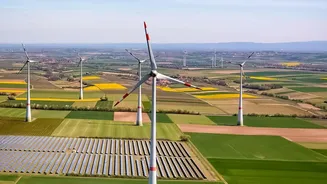
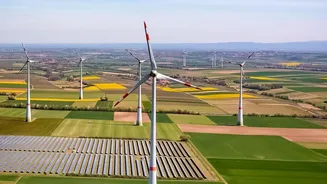
serve both purposes. This approach is gaining traction globally as a response to land-use competition. In India, where both agricultural land and space for large-scale solar projects are precious commodities, the potential is immense. Schemes like the Pradhan Mantri Kisan Urja Suraksha evam Utthaan Mahabhiyan (PM-KUSUM) are actively encouraging this model, aiming to boost farmer incomes and accelerate the country's renewable energy transition.
The Obvious Promise: More Power, More Income
The primary appeal of agrivoltaics is efficiency. Farmers can harvest crops and harvest sunlight from the same acre. This creates a new, stable revenue stream from selling electricity back to the grid, supplementing often-unpredictable agricultural income. For the nation, it’s a way to deploy solar capacity without taking agricultural land out of production, helping to meet ambitious renewable energy targets. The government's PM-KUSUM scheme, for instance, is designed to empower farmers by turning them into power producers, reducing their reliance on diesel for irrigation pumps and improving the financial health of power distribution companies.
The Critical Connection to Water
This is where the story gets more complex. The shade provided by solar panels creates a unique microclimate for the crops below. This shading reduces direct sun exposure and heat stress on plants, which in turn lowers the rate of evapotranspiration—the process by which water moves through a plant and evaporates. Studies have shown that this effect can lead to significant water savings, with some estimates suggesting a reduction in irrigation needs by up to 30%. For a water-stressed nation where agriculture is the largest consumer of water, this is a game-changing benefit. It means potentially growing more food with less water, a crucial advantage in adapting to a changing climate.
The Other Side of the Water Equation
However, solar panels themselves require water, primarily for cleaning. Dust, bird droppings, and other grime can accumulate on panels, significantly reducing their electricity-generating efficiency. Regular cleaning is non-negotiable, and this often requires substantial amounts of water. Ironically, many of India's most sun-rich areas, ideal for solar power, are also its most arid and water-scarce regions. A single large solar plant can require hundreds of thousands of litres of water per month for cleaning. This creates a new demand on local water sources, which are often already over-exploited groundwater reserves. The quality of water also matters; using hard, mineral-rich water can leave behind deposits that damage panels, meaning purified or RO water is often recommended, a process that itself wastes water.
Striking the Right Balance for a Sustainable Future
The success of India's agrivoltaics push will depend on whether the water saved by shading crops outweighs the water consumed for cleaning the panels. This is not a simple calculation; it depends on the local climate, the types of crops being grown (some are more shade-tolerant than others), the panel cleaning schedule, and the technology used for cleaning. Innovative, water-efficient cleaning methods, including robotic systems and specialized cleaning solutions that use dramatically less water, are being developed but are not yet widespread. For agrivoltaics to be a true net positive, policies must go beyond simply promoting installation and focus on integrated resource management. This means conducting site-specific assessments, incentivizing water-saving cleaning technologies, and perhaps even designing systems to harvest rainwater off the panels themselves.