




A Delayed and Watched Arrival
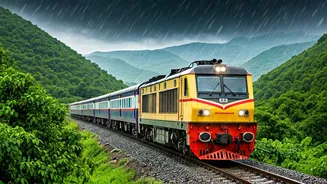
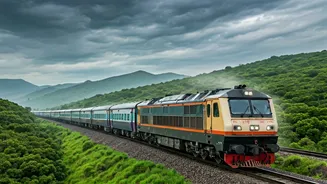
The southwest monsoon officially made its arrival in Kerala on June 4th, a few days later than its normal date. This arrival marked the start of the crucial rainy season for the entire country, which depends on these rains for agriculture, replenishing
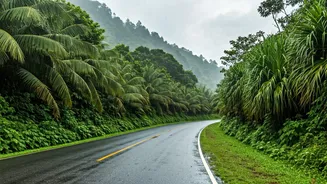
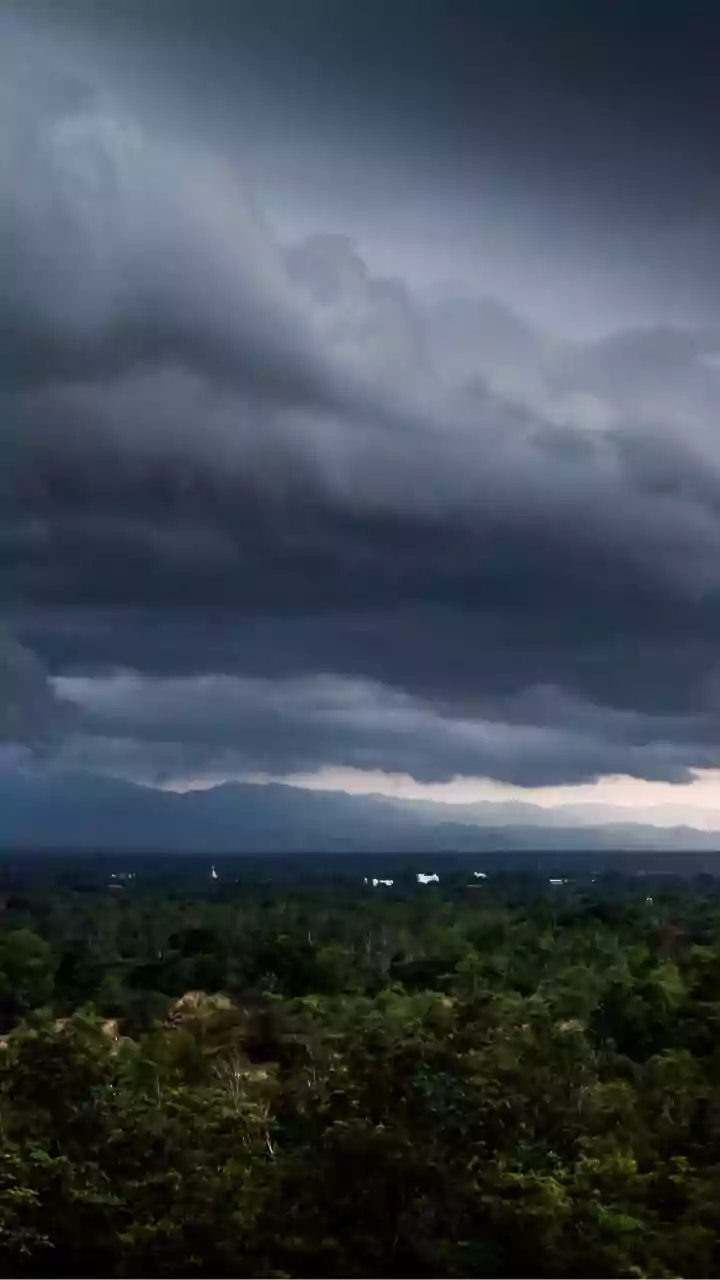
reservoirs, and breaking the intense summer heat. However, the season began under the shadow of a developing El Niño, with forecasters at the India Meteorological Department (IMD) initially predicting a below-normal monsoon for 2026. After a delayed start, the monsoon brought heavy rainfall to the southern state, with the IMD issuing alerts for several districts. This powerful entry serves as an annual reminder of the monsoon's dual nature: essential for life, yet capable of immense disruption.
The Slow March Northward
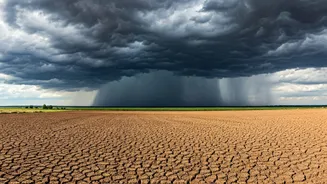
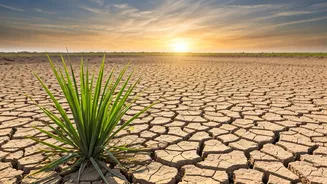
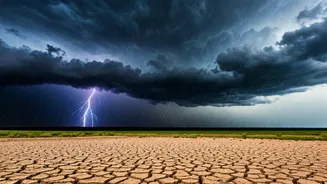
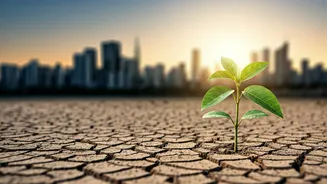
From Kerala, the monsoon began its gradual advance across the country. By late June, it had covered most of Uttarakhand and Himachal Pradesh, bringing heavy rainfall. Yet, its progress has been uneven. June was one of the driest in over a century for the country as a whole, with a rainfall deficit of around 40%. While the west coast has seen a revival with heavy rains over Kerala, coastal Karnataka, and Maharashtra, the monsoon's arrival in North India has been delayed. Delhi, which typically welcomes the monsoon around June 27-28, is now expected to receive its first showers around July 3rd or 4th after a period of unusually high heat and humidity.
An Uncertain July Forecast
Looking ahead, the IMD has forecast that rainfall in July—statistically the wettest monsoon month—is likely to be below normal for the country as a whole. This outlook follows the significant rainfall deficit in June and could lead to water stress in some regions. Farmers have been advised to consider water conservation measures. Despite the below-normal forecast for the month, a revival is expected in the first half of July, driven by developing weather systems that could bring widespread rainfall across North India and other regions. This highlights the monsoon's unpredictability, where national averages can mask intense, localized rainfall events.
Urban Jungles, Concrete Rivers
In cities like Mumbai, Delhi, and others, the monsoon brings a unique set of challenges. Waterlogging is a primary concern, turning streets into impassable rivers and causing massive traffic disruptions. The IMD and local authorities regularly issue advisories for citizens to check traffic conditions before venturing out. Beyond the inconvenience, there are serious dangers. Electrocution from submerged electrical equipment and falling trees are recurring threats. Crumbling infrastructure and poorly maintained buildings also pose a significant risk during heavy downpours. Respecting the monsoon in an urban setting means being aware of these hidden dangers and avoiding unnecessary risks.
Health and Safety Must Come First
The monsoon is also a peak season for water-borne and vector-borne diseases. Stagnant water becomes a breeding ground for mosquitoes, leading to a spike in cases of dengue and malaria. Contaminated water sources can cause illnesses like cholera and hepatitis A. Health experts advise drinking boiled or purified water and avoiding street food that may be exposed to unsanitary conditions. In hilly regions, the danger of landslides and flash floods is paramount. Authorities in states like Uttarakhand and Himachal Pradesh, as well as those in the Western Ghats, issue specific warnings, urging people to move to safer locations when heavy rain is predicted. The key to safety is to heed official warnings and never underestimate the power of flowing water or unstable slopes.