







The Classic ‘Shoulder Season’ Advantage
Travel insiders have long cherished the 'shoulder season'—the period between a destination's peak and off-peak times. For most places in the Northern Hemisphere, this means September and October. The benefits are timeless: fewer tourists, lower prices,
and a more relaxed atmosphere. With summer crowds gone, you can explore iconic landmarks without the long queues and packed streets that often define peak travel. This creates a more authentic experience, allowing for genuine connections with the local culture rather than just navigating a sea of other visitors. Airlines and hotels, facing lower demand, often reduce their prices, making your travel budget stretch further. This isn't just about saving money; it’s about getting better value, like securing a table at a sought-after restaurant or simply enjoying a peaceful sunset from a famous viewpoint.
An Escape from Extreme Summer Weather
One of the most compelling new reasons to travel in autumn is the changing climate. Recent summers in popular destinations like Europe have been marked by record-breaking heatwaves, making daytime sightseeing uncomfortable and, at times, unsafe. As scorching summers become the new normal, travellers are increasingly shifting their plans to the cooler, more pleasant months of September and October. This deliberate shift, sometimes called a "coolcation," is not just about comfort; it's a practical response to a warming planet. Choosing to visit destinations like the Mediterranean or even parts of North India during this period means you get to enjoy mild, pleasant weather that is perfect for walking tours, hiking, and outdoor dining without the draining intensity of peak summer heat.
Post-Pandemic Travel Habits Have Matured
The era of frenzied "revenge travel" that followed the pandemic lockdowns has begun to settle down. While the desire to travel remains strong, many are now seeking more meaningful and less chaotic experiences. The pandemic normalised remote and hybrid work for many, creating newfound flexibility. This allows travellers to break free from the rigid school holiday calendar and travel when it makes the most sense for them. An increasing number of people are taking advantage of this by planning 'fallcations' or work-from-anywhere trips during September and October. This trend also means you are less likely to encounter overwhelmed airports and stressed service staff, contributing to a smoother and more enjoyable journey from start to finish.
Better Availability and Deeper Experiences
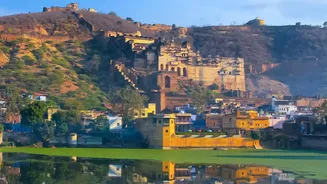
Fewer people travelling means more than just shorter lines. It translates to better availability for everything from boutique hotels to unique local tours that are often fully booked months in advance during summer. This gives you the freedom to be more spontaneous. In India, for instance, the post-monsoon clarity and festive season buildup—with Dussehra often falling in this period—make it a vibrant time to explore regions like Rajasthan or the Himalayan foothills. Internationally, it’s harvest season in many wine regions, offering unique culinary festivals and events you’d miss in July. With the local population no longer catering to an overwhelming tourist peak, interactions can feel more genuine and less transactional, providing a richer, more memorable cultural immersion.