






Debunking the Monsoon Myth
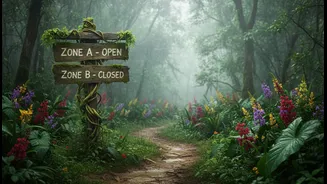
The perception that all wildlife sanctuaries close down from June to September is widespread but not entirely accurate. It’s true that most national parks close their ‘core zones’—the most protected areas with high animal density. This annual closure
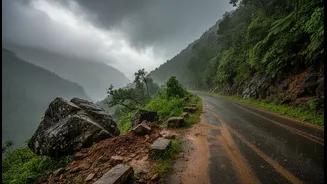
is essential for two main reasons: safety and conservation. Monsoon rains can make jungle tracks slushy, impassable, and dangerous for safari vehicles. Secondly, the season is a critical breeding period for many species, and closing the parks minimizes human disturbance, allowing nature to rejuvenate. This necessary pause helps maintain the delicate ecosystem and ensures the roads are repaired for the peak season ahead.
The Buffer Zone Loophole
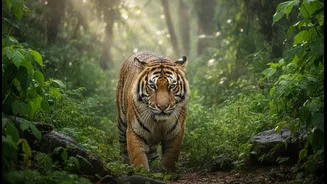
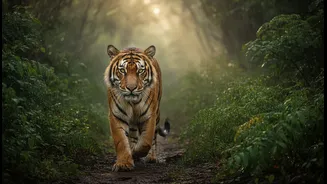
The secret to a monsoon safari lies in the ‘buffer zones’. These are the areas surrounding the highly protected core zones. While the core areas shut down, many parks keep their buffer zones open for tourism. These areas are far from empty; they are rich in biodiversity, and wildlife, including tigers and leopards, move freely between the core and buffer regions. During the monsoon, some animals even move into the buffer zones seeking drier ground. This provides a fantastic opportunity for visitors to experience the jungle in a different light—quieter, less crowded, and incredibly lush.
Top Parks for a Rainy-Day Adventure
So, where can you actually go? Several of India's premier wildlife destinations offer monsoon access. Ranthambore National Park in Rajasthan, for instance, keeps its outer zones (typically 6 through 10) open for safaris. In Uttarakhand, Jim Corbett National Park allows visitors into its Jhirna, Dhela, and Sitabani buffer zones. Maharashtra’s Tadoba-Andhari Tiger Reserve is another top choice, with buffer gates like Moharli, Kolara, and Navegaon remaining operational. Down south, parks in Karnataka like Nagarhole (Kabini) often remain open year-round, weather permitting, offering stunning boat and jeep safaris. Periyar in Kerala is also open and particularly beautiful during the rains, with boat safaris being a key attraction.
What to Expect: A Different Kind of Wild
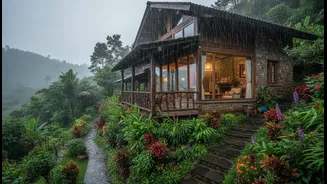
A monsoon safari is a world away from the dusty, dry-season experience. The forest transforms into a vibrant green paradise, with rain-washed landscapes creating dramatic photographic opportunities. The air is fresh, the water bodies are full, and with fewer tourists, the experience feels more intimate and peaceful. Birdwatching is phenomenal, as many species are more active. However, it’s important to manage expectations. The dense foliage can make spotting animals, especially elusive predators like tigers, more challenging. And be prepared for the downsides: leeches are common, and rain can, of course, interrupt your safari. But many guides note that big cats often use the safari tracks for easier passage when the surrounding grass is tall and wet.
Packing and Planning for Success
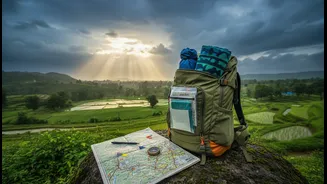
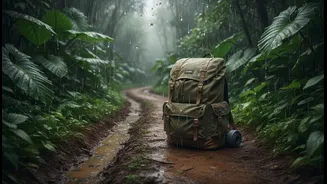
Preparation is key for a successful monsoon safari. Book your permits and accommodation well in advance, as even in the off-season, slots can be limited. Your packing list should include lightweight waterproof jackets, quick-dry clothing, and waterproof footwear with good grip. An umbrella can be useful for getting to and from the safari vehicle. Don't forget powerful insect repellent and waterproof bags or covers to protect cameras and electronics. Finally, go with an open mind. A monsoon safari is less about ticking off a tiger sighting and more about immersing yourself in the forest at its most alive, atmospheric, and beautiful.