
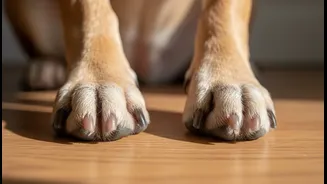


The Perfect Storm Between the Toes
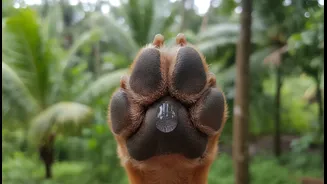
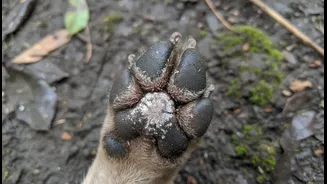
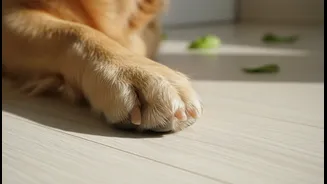
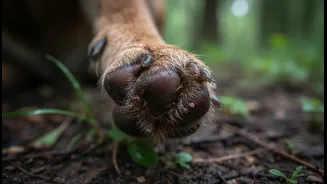
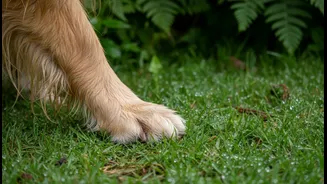
A dog's paw is a complex structure. The spaces between the pads and toes, known as interdigital spaces, are naturally warm and have limited air circulation. When your dog joyfully tromps through mud and puddles, this area easily traps moisture, dirt,
and debris. This creates a dark, damp, and warm microenvironment—the ideal breeding ground for fungi that are naturally present on a dog's skin to multiply out of control. Breeds with hairy paws or prominent skin folds are particularly susceptible, as the extra fur can hold onto moisture and grime even more effectively.
Meet the Fungal Culprits
The most common culprit behind these paw problems is a type of yeast called Malassezia. This fungus is a normal inhabitant of your dog's skin, living in small, harmless numbers. However, when conditions are right, its population can explode, leading to an inflammatory condition called Malassezia dermatitis. This yeast overgrowth is often triggered by factors that disrupt the skin's natural balance, such as trapped moisture from mud, underlying allergies that cause inflammation, or a weakened immune system. Other fungi, like those that cause ringworm, can also take advantage of these compromised conditions, though yeast infections are far more common in this area.
Telltale Signs of an Infection
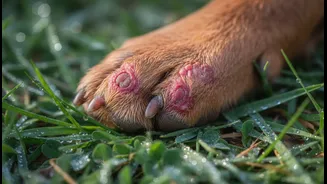
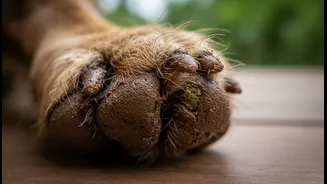
A fungal infection in the paws is very uncomfortable for a dog, and the signs are usually hard to miss. One of the most common clues is excessive licking, chewing, or biting at the paws. This is a direct response to the intense itchiness caused by the infection. Upon closer inspection, you may see redness and inflammation, especially between the toes. Other signs include scaly or crusty skin, hair loss, and sometimes a sticky discharge. Many owners also notice a distinct, musty odour often described as smelling like corn chips, which is characteristic of a yeast overgrowth. In some cases, the fur between the toes may become stained a reddish-brown colour from the saliva.
Prevention Is the Best Medicine
The key to preventing fungal flare-ups is consistent and proper paw hygiene. The single most important step is to thoroughly clean and, crucially, dry your dog's paws after any walk in wet or muddy conditions. Simply wiping the surface of the paw isn't enough; you need to gently clean between each toe and pad to remove all trapped debris. Regular grooming, including trimming the hair between the paw pads, can significantly reduce the amount of moisture and dirt that gets trapped. If your dog has known allergies, managing them effectively with your veterinarian's guidance can also help prevent the skin inflammation that often precedes a yeast infection.
The Right Way to Clean Muddy Paws
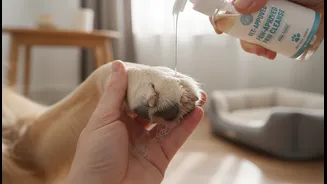
For routine cleaning after a walk, pet-safe grooming wipes can work well for removing surface dirt and allergens. For seriously muddy paws, a more thorough wash is needed. Use lukewarm water and a soft cloth or a gentle paw washer. You can use a small amount of mild, dog-safe shampoo, massaging it gently between the toes. Rinse thoroughly to ensure no soap residue is left to cause irritation. The final step is the most critical: dry the paws completely. Pat each paw dry with a clean towel, paying special attention to getting the spaces between the pads fully dry to eliminate the moisture that fungi love.
When to Call the Veterinarian
While good hygiene can prevent many issues, some infections require professional medical treatment. If you notice persistent symptoms like intense itching, significant redness, a foul odour, or if the skin appears thickened or discoloured, it's time to see your vet. A veterinarian can confirm a fungal infection, often by examining a skin sample under a microscope. Treatment may involve topical antifungal creams, sprays, or medicated wipes. For more severe or recurrent infections, your vet might prescribe medicated shampoos or oral antifungal medications to clear the infection from the inside out.