





The New Sweet Spot: What is Premium-Casual?
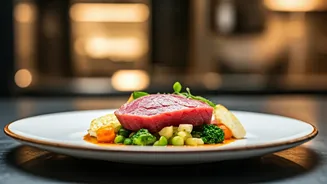
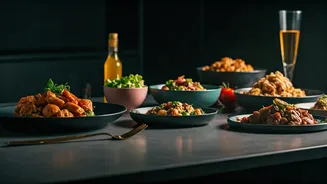
Think of it as the happy medium of dining. Premium-casual, or 'upscale casual', is a restaurant category that sits comfortably between the speed of Quick Service Restaurants (QSRs) and the formality of fine dining. It offers higher-quality ingredients,
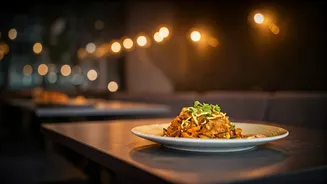
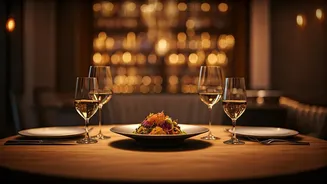
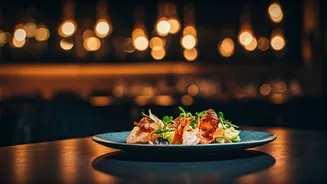
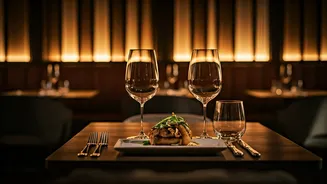
more sophisticated menus, and a thoughtfully designed ambience than a typical casual diner, but without the stuffiness or high price tag of a luxury establishment. The focus is on creating a memorable 'experience'—a place that feels special enough for a date night but relaxed enough for a weekday meal. Customers get a taste of luxury with well-crafted cocktails, Instagram-worthy interiors, and attentive service, but in a setting that remains accessible and informal.
The Tier-2 Gold Rush
For years, the restaurant industry's focus was squarely on metro cities. But as these markets become saturated with high rents and intense competition, the next wave of growth is emerging from Tier-2 cities like Jaipur, Lucknow, Coimbatore, and Chandigarh. A joint report by the National Restaurant Association of India (NRAI) and Grant Thornton Bharat highlights that over 90% of large operators are planning to expand into these smaller cities. The reason is simple: a powerful convergence of factors. Rising disposable incomes, increasing digital exposure, and a growing class of aspirational consumers have created a fertile ground for new dining concepts. Consumers in these cities are digitally savvy, brand-conscious, and ready to spend on premium experiences, shifting dining out from an occasional treat to a regular lifestyle choice.
Decoding the Playbook: More Than Just Good Food
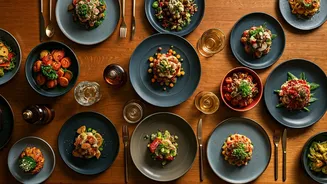
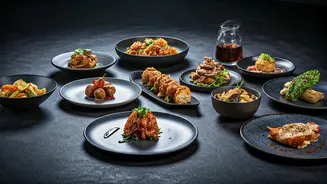
So, what are Tier-2 restaurants borrowing from the premium-casual model? The 'playbook' goes far beyond the menu. It’s a holistic approach to the dining experience. This includes creating a strong ambience with modern interiors and mood lighting, developing focused, high-quality menus rather than extensive multi-cuisine lists, and placing a strong emphasis on beverage programs, especially craft cocktails. The service is another key element—attentive and professional, but friendly and relaxed. Essentially, these restaurants are building 'destinations' that are shareable on social media, tapping into the power of platforms like Instagram where many diners now discover new places. By adopting this playbook, restaurants can command higher price points than standard casual dining while keeping operational costs lower than a full-fledged fine-dining setup, hitting a profitable sweet spot.
Navigating the Hurdles
The path isn't without its challenges. While the opportunity is immense, expanding into Tier-2 markets requires strategic adaptation. One of the biggest hurdles is the supply chain; sourcing high-quality, consistent ingredients can be difficult due to weaker cold-chain infrastructure. Another significant challenge is talent. Operators report shortages of skilled kitchen and service staff, as trained professionals often migrate to metros for better opportunities. Furthermore, while consumers are aspirational, they can also be price-sensitive. Restaurants must carefully balance the premium experience with accessible price points to build a loyal local customer base. Success requires more than just copying a model; it demands deep local understanding and operational discipline.