






What Exactly Is 'Prompt Mode'?
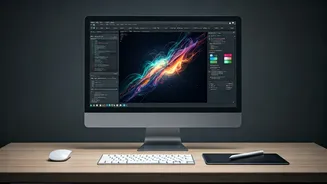
In the world of generative AI, a 'prompt' is a command or question used to get a specific output from a tool like ChatGPT or Midjourney. 'Prompt Mode' is the extension of this thinking into the design process. Instead of starting with a blank sketchpad,
industrial designers are now starting with a blank text box, inputting descriptions of a product they want to visualize. For example, a designer might prompt an AI with: "A sleek, ergonomic office chair inspired by Scandinavian minimalism, made from recycled aluminum and light oak." The AI then generates dozens of visual concepts in seconds. This fundamentally changes the creative process from one of pure invention to one of curation, conversation, and refinement with a machine partner.
From Pixels to Physical Products
This new workflow is already moving from screens into the real world. Automakers like Toyota and Yamaha are using generative AI to rapidly explore thousands of design variations for vehicles, factoring in constraints like aerodynamics and chassis dimensions. This process, which once took months, can now be compressed into weeks. In other industries, designers are using text-to-image tools to create initial concepts for everything from furniture and product packaging to sneakers and retail displays. By generating high-fidelity images early on, companies can test ideas with consumers faster and more effectively, accelerating the entire development cycle. The technology allows for the exploration of unconventional solutions that a human designer might not have considered.
The New Role of the Designer: Curator and Director
This shift doesn't make human designers obsolete; it changes their job description. As AI handles the rapid generation of ideas, the designer's role evolves to become more like a curator or a creative director. Their expertise is needed to craft effective prompts, identify the most promising AI-generated concepts, and refine them with an understanding of materials, manufacturing, and human needs. The process becomes iterative: a designer gives a prompt, analyzes the output, and then refines the prompt to steer the AI closer to a viable solution. This dialogue between human and machine requires new skills, turning prompt engineering into a core competency for the modern designer.
The Promise and Peril of AI-Driven Design
The benefits of prompt-driven design are clear: increased efficiency, accelerated timelines, and an expanded field for creative exploration. AI can generate solutions optimized for performance and material usage, leading to more sustainable and cost-effective products. However, this new paradigm comes with risks. A heavy reliance on the same AI models could lead to a homogenization of design, where products start to look increasingly similar. Critics worry this could devalue human craftsmanship and lead to an erosion of authenticity, as AI lacks the lived experience and emotional intent that gives human-made objects depth. There is also a major concern that it could lead to job displacement for roles focused on early-stage visualization and drafting.
Are We All Designers Now?
Looking ahead, the line between consumer and creator may begin to blur. As AI tools become more intuitive, the power of design could become more accessible. Imagine a future where you could describe your ideal piece of furniture to an online tool and have it generate a custom, manufacturable design just for you. Companies like Nike have already used AI to create customized shoes based on customer data. This move towards personalization at scale could empower users to become co-creators in the products they buy. While AI might not replace professional designers, it is poised to become a collaborative tool that democratizes the ability to turn an idea into a tangible object, making us all, in a small way, part of the design process.