





The Traveler's Rainy Day Dilemma
There are few travel frustrations more distinct than dealing with wet clothes. Whether you're caught in a sudden Mumbai downpour, trekking through the misty hills of Wayanad, or simply returning from a beach with a damp swimsuit, the problem is universal.
Stuffing a wet jacket or soaked trousers into your luggage is a recipe for disaster. Within hours, that moisture can turn into a musty smell that seeps into every dry item you own. Worse, it creates a humid environment inside your bag, which is an ideal breeding ground for mould and mildew. This not only ruins the damp clothes but can also damage your other belongings, your bag's lining, and even pose mild health risks. For years, the only solution was to isolate wet items in flimsy plastic bags, which often leak and do nothing to prevent odours.
Enter the Modern Solution
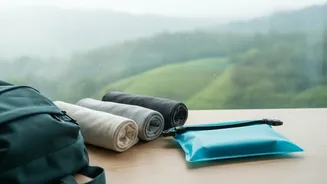
This is where air extraction compression bags come in. While often marketed for their space-saving abilities, their true genius for rainy season travel lies in their ability to create a completely isolated, airtight, and waterproof environment for your damp garments. Unlike a simple plastic bag, these advanced sacks are designed to not only contain wet items but to fundamentally solve the problems of moisture and odour. By removing all the air, you create a vacuum-sealed package that locks moisture and smells in, ensuring they cannot contaminate the rest of your luggage. This makes them an indispensable tool for any traveller navigating unpredictable weather.
The Science of the Squeeze
The mechanism is brilliantly simple. Air extraction bags work by removing the air trapped between fabric fibres. Most travel-friendly versions don't require a bulky household vacuum. Instead, they are designed to be compressed by hand. You simply place your damp clothes inside, seal the heavy-duty zip lock, and then roll the bag tightly from the sealed end. This action forces the trapped air out through a special one-way valve at the bottom. Air can get out, but it can't get back in. The result is a tightly compressed, airless, and waterproof bundle. Some more advanced systems integrated into backpacks may even use a small, built-in manual pump to achieve a similar effect.
Key Benefits Beyond Saving Space
While the extra space is a fantastic bonus, allowing you to pack more efficiently, the primary advantages for handling wet gear are far more critical. First and foremost is complete moisture containment. The airtight and waterproof seal means a soaking wet raincoat can sit right next to your dry clothes and electronics with zero risk of transfer. Secondly, they eliminate odour. Mildew and bacteria need air to thrive, and by removing it, you halt the process that creates that familiar musty suitcase smell. Your wet gear will remain damp inside the bag, but it won't get smelly or spread its dampness. Finally, this system protects your clothes. Sealing a damp cotton shirt in a regular bag can cause mildew to eat away at the fibres. By removing the air, a compression bag effectively pauses this degradation until you can properly wash and dry the item.
Choosing the Right Bag
Not all compression bags are created equal. For travel, look for 'roll-up' style bags that don't require a pump. Pay attention to the quality of the plastic; it should be thick and durable to resist punctures. The most critical component is the seal. A double-zip lock mechanism is generally more reliable and secure than a single one. It's also wise to invest in a variety pack with different sizes. Use a large one for a bulky raincoat or damp towel, and smaller ones for swimsuits or wet socks. While they are reusable, their lifespan depends on care, so avoid over-stuffing them or packing items with sharp zippers or buttons that could compromise the plastic.