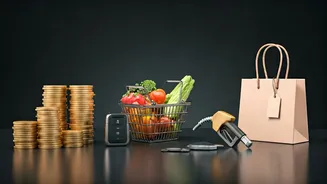









1. The Hidden Cost of Convenience
We live in an on-demand world, and convenience has become the ultimate commodity. That last-minute food delivery, the rideshare home instead of taking the bus, the pre-chopped vegetables at the grocery store—each one saves us a little time and effort.
The problem is, each transaction comes with a convenience tax. A $5 delivery fee on a $20 meal is a 25% surcharge for not leaving the house. These small, justifiable costs feel insignificant in the moment, but they create a steady drain on your bank account. Over a month, dozens of these micro-transactions can add up to hundreds of dollars spent not on goods, but on pure convenience.
2. The Subscription Swamp
Remember when you only had to worry about a cable bill? Today, our financial lives are entangled in a web of recurring payments. It starts with the big ones—streaming services like Netflix and Hulu—but it rarely ends there. There are music apps, fitness apps, cloud storage, premium news access, meal kit boxes, and that free trial for a niche software you forgot to cancel three months ago. This is "subscription creep." Each charge is small enough to fly under the radar, often just $5 to $15 a month. But ten of those add up to over $1,200 a year. Many people are paying for services they no longer use or even remember signing up for, creating a constant, silent leak in their budget.
3. Lifestyle Inflation's Sneak Attack
When you get a raise or a new job, the first instinct is often to upgrade your life. You've earned it, right? The problem isn't the big, conscious purchase, like a down payment on a home. It's the slow, unconscious escalation of your daily standards. The drip coffee becomes a daily latte. The home-packed lunch becomes a $15 salad from the place downstairs. The perfectly good sedan is traded for a more expensive SUV because it feels like the “next step.” This phenomenon, known as lifestyle inflation, ensures that your expenses rise to meet your new income. Before you know it, you feel just as financially stretched on your new salary as you did on your old one, because your baseline for “normal” has shifted without you noticing.
4. The 'Frictionless' Payment Trap
Technology has made spending money easier than ever, and that's not always a good thing. Tapping a card, using your phone, or clicking “Buy Now” removes the psychological “pain of paying” that comes with handing over physical cash. When you don't see the money leave your hand, the transaction feels less real and more abstract. This lack of friction is a major reason for impulse buys and mindless spending. Companies design their payment systems to be as seamless as possible because they know it encourages you to spend more. That digital ease is a powerful force working against your budget, making it incredibly easy for small, unplanned purchases to accumulate.
5. Emotional and Social Spending
Not all spending is rational. Sometimes we spend because we're bored, stressed, or sad—a little retail therapy to lift our spirits. Other times, we spend to keep up with social expectations. This can be as direct as splitting an expensive dinner bill with friends or as subtle as feeling pressure to buy new outfits for social events. Fear of missing out (FOMO) is a powerful driver of financial decisions, pushing us toward concert tickets, vacations, and brunches we might not be able to comfortably afford. While there's nothing wrong with spending money on experiences that bring you joy, it becomes a problem when it’s a reflexive, emotional habit rather than a conscious choice aligned with your financial goals.