


The High Cost of a Wilting Flower
For farmers cultivating roses, the moment a flower is cut, the clock starts ticking. Post-harvest losses in India's floriculture sector are substantial, with estimates suggesting that 30-40% of flowers perish before they ever reach a customer. This loss is not
just about wilted petals; it represents wasted water, labour, and, most importantly, income. A farmer in Andhra Pradesh or Maharashtra might be forced to sell their entire harvest at rock-bottom prices to the nearest buyer, simply to avoid the complete loss that comes with a delay of even a few hours. The primary culprits are a lack of immediate, on-farm cooling and an unreliable power grid, which make traditional refrigeration expensive and impractical in many rural areas.
A Sustainable Solution Powered by the Sun
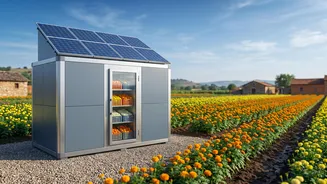
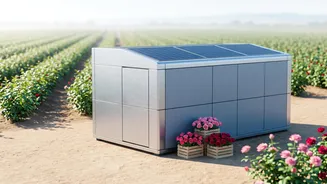
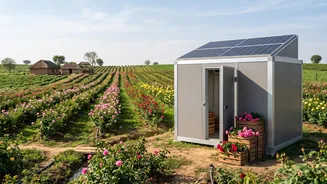
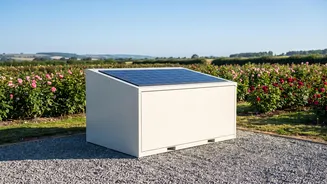
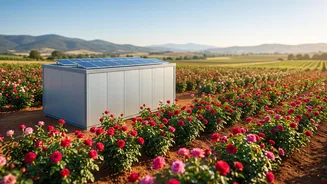
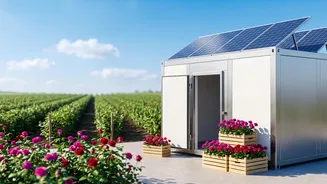
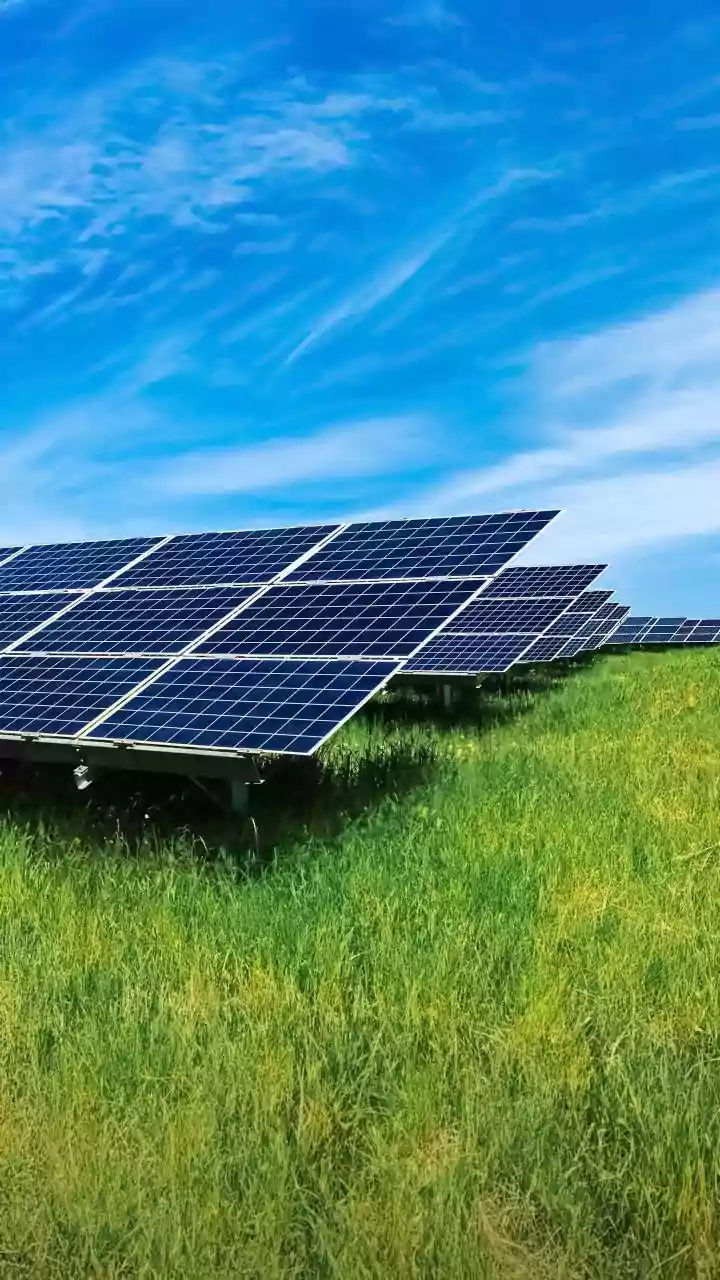
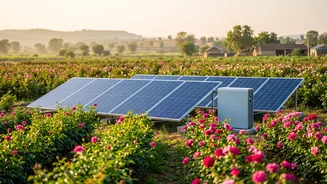
Enter the solar cold chain. This isn't a single piece of equipment but a system of interconnected, refrigerated units powered by photovoltaic panels. The process starts at the farm gate with small, solar-powered cold rooms. Here, freshly cut roses can be pre-cooled within minutes of harvesting, a critical step that rapidly removes field heat and dramatically slows down deterioration. These modular units, ranging from 5 to 100 tonnes in capacity, are designed for rural realities. They can operate independently of the grid, with some modern systems storing energy in thermal banks (as ice) or efficient batteries to provide uninterrupted cooling through the night or on cloudy days, ensuring 24/7 reliability.
From Farm to Market, an Unbroken Chain
The solar cold chain creates a seamless, temperature-controlled pathway from the farm to the final market. After pre-cooling at the farm, the roses are aggregated at a local collection centre, which might house a larger solar cold storage facility. From there, they are transported in refrigerated vehicles—which can also be part of this solar-powered ecosystem—to urban wholesalers and retailers. By maintaining a consistent low temperature (typically 2-4°C for roses), the chain preserves the freshness, colour, and vase life of the flowers. This unbroken chain gives farmers what they have always lacked: control over their product and timing. They are no longer forced into distress sales during peak harvest gluts.
The Tangible Impact on Farmer Incomes
The economic benefits are transformative. By drastically reducing spoilage, farmers can sell a much higher percentage of their yield. Access to cold storage allows them to hold their produce and wait for better market prices, especially during peak demand seasons like festivals and weddings. Reports from farmer producer organisations (FPOs) and tech providers show that this can increase a farmer's income by 25-35%. In one case in Bihar, lychee farmers using a solar unit saw their income per acre rise from ₹12 lakh to ₹18 lakh by cutting losses from 25% to under 3%. While the initial investment can be significant, government subsidies through schemes like the Mission for Integrated Development of Horticulture (MIDH) and collective ownership through FPOs are making the technology accessible to small and marginal farmers.
Beyond Roses: A Boon for All Perishables
The potential of solar cold chains extends far beyond floriculture. India is one of the world's largest producers of fruits and vegetables, yet it faces staggering post-harvest losses, with an estimated economic cost of over ₹92,000 crore annually. The same solar-powered infrastructure that keeps roses fresh can extend the shelf life of tomatoes, grapes, milk, and more. By enabling decentralised storage in rural areas, this technology strengthens the entire agricultural supply chain, improves food security, and reduces the carbon footprint associated with diesel generators. It represents a crucial step towards making Indian agriculture more resilient, profitable, and environmentally sustainable.