
A Career on the Brink
By 1996, Sourav Ganguly's international career was hanging by a thread. After a forgettable one-day debut in 1992 where he scored just three runs, he was promptly dropped. For four long years, he was in the wilderness, away from the Indian team. Despite
scoring heavily in domestic cricket, he was haunted by whispers of arrogance, with stories circulating that he had once refused to carry drinks for teammates. His recall for the 1996 tour of England was seen by many as a final chance. Failure here would likely have meant the premature end of his international aspirations, leaving him as a 'what if' story in the annals of Indian cricket.
Turmoil and an Unexpected Vacancy
The tour itself was fraught with tension. After England won the first Test, the Indian camp was rocked by a major controversy. Senior opening batsman Navjot Singh Sidhu abruptly walked out of the tour and flew home, citing ill-treatment by the captain, Mohammad Azharuddin. According to later accounts, Sidhu felt Azharuddin was constantly directing abuses at him. While it was later explained as a misunderstanding over regional slang, the immediate effect was chaos. Sidhu's sudden departure left a critical hole in the batting line-up for the second Test at the historic Lord's Cricket Ground.
The Fateful Decision
The headline's 'one phone call' is the perfect metaphor for the crucial decision the Indian team management now faced. With a key player gone, they had to choose a replacement. Instead of opting for a more established name, they took a punt on the 22-year-old from Bengal. Ganguly was handed his Test cap, a decision that could have easily gone the other way. He was thrust into the number three position, a spot of immense pressure, at the most prestigious cricket ground in the world. It was a gamble born out of a crisis, a moment that would either expose Ganguly or catapult him into the spotlight.
A Debut for the Ages
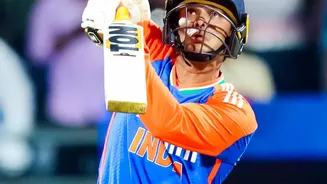
What followed was the stuff of legend. Walking out to bat at Lord's, Ganguly played an innings of sublime elegance and authority. He didn't just survive; he dominated. With a series of breathtaking cover drives that would become his trademark, he silenced every critic. He scored a magnificent 131, becoming only the third cricketer in history to score a century on Test debut at Lord's. His knock remains the highest score by a debutant at the ground. The innings, which lasted over seven hours, wasn't a fluke. He followed it up with another century (136) in the very next Test at Trent Bridge, cementing his place in the team and announcing the arrival of a new star.
The Dawn of the 'Dada' Era
That one opportunity, created by a teammate's sudden exit, was the foundation upon which a legendary career was built. The confidence gained from those two centuries transformed Ganguly. He went on to become 'Dada', one of India's most successful and transformative captains, known for his aggressive leadership and for building a fearless new team. He led India to the 2003 World Cup final and instilled a belief that they could win anywhere in the world. The 'Prince of Calcutta' became a 'Maharaja' of Indian cricket, and later, the President of the BCCI. It all traces back to that one moment of turmoil in 1996, and the decisive call to give a young, hungry batsman a chance to prove his worth.