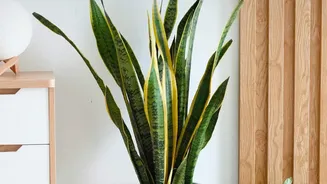




The Snake Plant: The Unkillable Classic
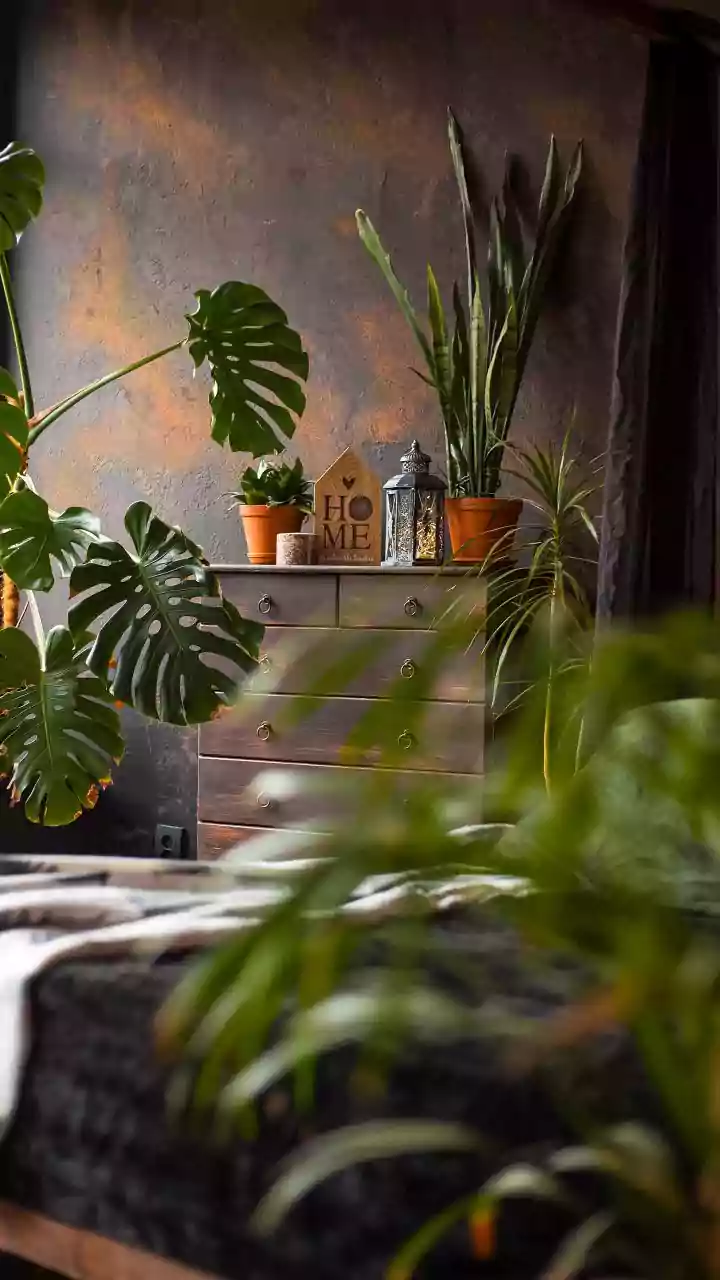
The Snake Plant, or Sansevieria, is the perfect starting point for any new plant parent. Its stiff, upright leaves with variegated patterns add a sharp, modern, and architectural element to any room. Not only is it visually striking, but it's also famously
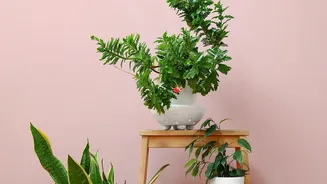
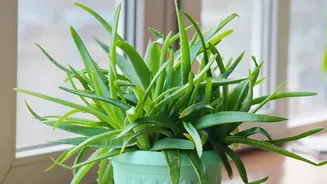
resilient and thrives on neglect, making it ideal for busy households across India. This plant is a succulent, meaning it stores water in its leaves and requires infrequent watering—only when the top few inches of soil are completely dry. It's also tolerant of a wide range of light conditions, from low light to bright, indirect sunlight. Beyond its easy-care nature, the Snake Plant is renowned for its air-purifying qualities, even releasing oxygen at night, making it a fantastic addition to bedrooms.
The ZZ Plant: The Drought-Tolerant Gem
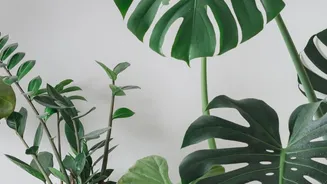
If you want a plant that looks lush without the effort, the Zamioculcas zamiifolia, or ZZ Plant, is your answer. With its wide, dark green, glossy leaves, it adds a touch of polished drama to any space. The ZZ Plant is exceptionally drought-tolerant because its underground rhizomes store water, meaning it can go for weeks without a drink. In fact, the most common mistake is overwatering it. It's perfectly happy in low to medium indirect light, making it suitable for apartments, offices, and corners that don't get much sun. While it can survive in very dim conditions, it grows best with a bit of bright, indirect light. For anyone who considers themselves a 'plant-killer', the ZZ plant’s resilience is a game-changer.
The Money Plant: The Cascading Favourite
A staple in many Indian households, the Money Plant (Epipremnum aureum or Pothos) is beloved for good reason. This versatile vine is incredibly easy to grow and can be styled in numerous ways—trailing from a high shelf, climbing a wall, or simply sitting pretty on a tabletop. It's known for being 'hard to kill' and adapts well to various indoor environments. The Money Plant thrives in bright, indirect light but can tolerate lower light levels, although its variegation may fade. It can be grown in both soil and water, and its care is straightforward: water when the top soil feels dry. Its fast-growing, cascading vines provide an instant feeling of lushness and vitality, making any space feel more alive.
The Peace Lily: The Elegant Bloomer
For those who want the elegance of flowers without the high maintenance, the Peace Lily (Spathiphyllum) is an excellent choice. It features glossy, dark green leaves and produces beautiful, white spathes that look like flowers. It is one of the few flowering plants that is relatively easy to care for indoors. The Peace Lily prefers medium to low indirect light and consistently moist, but not waterlogged, soil. One of its most helpful features is its 'dramatic' nature; it will visibly droop when it needs water, taking the guesswork out of your watering schedule. Beyond its beauty, it's also a powerful air purifier, known for removing common household toxins.
The Areca Palm: For A Tropical Touch
If you're looking to make a bigger statement, the Areca Palm (Dypsis lutescens) brings a lush, tropical feeling indoors. Its feathery, arching fronds create a sense of softness and can help fill an empty corner with life. Despite its exotic appearance, it's relatively low-maintenance and well-suited for Indian homes. It prefers bright, indirect light and needs to be watered regularly, but you should allow the soil to dry out slightly between waterings to prevent root rot. The Areca Palm is also an effective natural humidifier and air purifier, helping to remove toxins from the environment. It’s a great choice for adding a touch of the outdoors to your living room or spacious areas.