


The Problem with Plain Maida
For generations, the go-to base for samosas, mathris, and countless other Indian snacks has been maida, or refined all-purpose flour. While it delivers a familiar texture, it comes at a nutritional cost. The refining process strips the wheat grain of
its bran and germ, removing most of the fibre, vitamins, and minerals. What’s left is primarily starch, which can lead to quick blood sugar spikes and that all-too-familiar feeling of being heavy and bloated. This reliance on refined flour means our favourite indulgences are often high in empty calories and low in actual nourishment.
The Nutritional Power of Millets
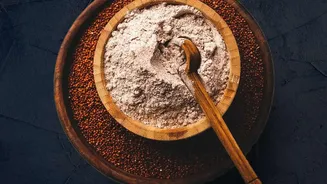
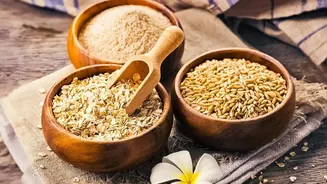
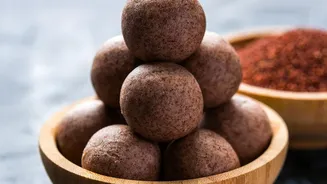
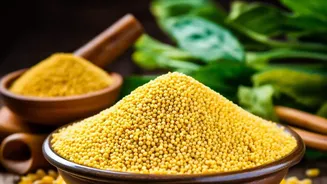
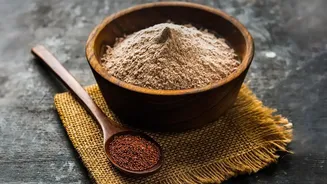
Millets like jowar (sorghum), bajra (pearl millet), and ragi (finger millet) are nutritional powerhouses that are making a major comeback in Indian kitchens. These ancient grains are naturally gluten-free and packed with nutrients that maida lacks. They are significantly higher in dietary fibre, which aids digestion and keeps you feeling full for longer. Millets also boast a richer mineral profile, with ragi being an exceptional source of calcium, and bajra providing a healthy dose of iron. Furthermore, they generally have a lower glycemic index, meaning they release energy more slowly and help maintain stable blood sugar levels.
Crafting the Perfect Blend for Crispiness
The secret to a great millet-based snack isn't just a simple substitution; it's in the blend. Using a single millet flour can sometimes result in a dense or dry texture. By combining different flours, you can achieve a final product that’s both nutritious and delightfully crispy. A popular strategy is to mix a primary millet flour with a secondary one or even a small amount of whole wheat or rice flour to achieve the desired structure and crunch. For example, a blend of ragi and a little wheat flour can create a sturdy samosa pastry. Some recipes suggest mixing jowar with a small amount of maida to get the classic texture with improved nutrition. Experimenting with ratios is key. Try combining jowar for structure, bajra for its earthy flavour, and a touch of rice flour for an extra-crispy finish.
Tips for Working with Millet Dough
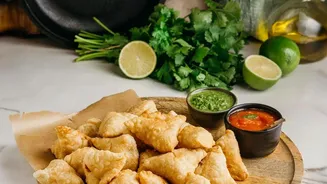
Working with gluten-free millet dough is different from handling maida. Since millets lack the gluten that provides elasticity, the dough can be crumbly. The most important technique is to use hot or boiling water to bind the flour. This process, known as scalding, helps to gelatinize the starches in the flour, creating a more pliable and non-sticky dough. After mixing the flour into boiling water, let it sit for a few minutes before kneading it while it's still warm. This creates a soft, smooth dough that is much easier to roll out. When rolling, it helps to do so between sheets of parchment paper or to use a light dusting of dry flour to prevent sticking. For samosas, once you've rolled out your dough, you can cut and shape it just as you would with a traditional recipe, using a little water to seal the edges.
Beyond Samosas: More Guilt-Free Snacks
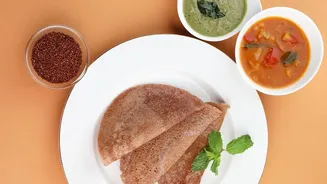
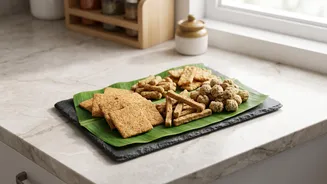
The versatility of millet flour blends extends far beyond samosas. You can use these nutritious mixes to reinvent a wide array of traditional snacks. Prepare crispy, baked crackers by mixing multi-millet flour with seeds and spices. Craft savoury mathris or crunchies using ragi flour blended with gram flour (besan) and semolina for a multi-layered texture. You can even make millet-based versions of cutlets, dosas, and chaklis. These flours open up a world of possibilities for creating snacks that are not only delicious but also packed with the wholesome goodness of ancient grains, allowing you to indulge with peace of mind.