





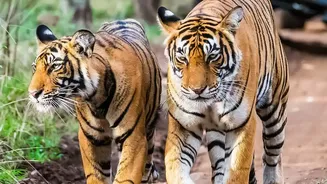
The city grind is relentless. The constant hum of traffic, the endless notifications, the grey concrete skyline. But as winter sets in, a growing number of metro dwellers from Delhi and Bengaluru are finding the perfect antidote: a wild escape.
The Rise of the Micro-Cation
Forget
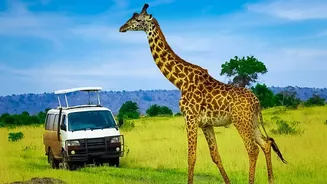
planning a single, long annual holiday. The new travel mantra for busy urban professionals is the 'micro-cation'. Recent travel trends show a significant shift towards taking multiple short breaks throughout the year instead of one big one. These two or three-day trips, typically over a weekend, are easier to plan, lighter on the wallet, and offer a regular dose of respite from high-pressure jobs. This format is perfectly suited for wildlife tourism, which often involves getting to a national park, enjoying a few safari drives, and returning refreshed without needing to take extensive leave from work.
A Much-Needed Digital Detox
One of the most compelling reasons for this trend is the opportunity to truly disconnect. Life in a major metropolis is a 24/7 cycle of screen time and connectivity. A trip into the heart of a forest reserve offers a welcome break from the hustle. In the jungles of Ranthambore or the backwaters of Kabini, patchy mobile signals and the absence of Wi-Fi become a feature, not a bug. This enforced digital detox allows travellers to trade doom-scrolling for bird-watching and email alerts for the alarm calls of deer, providing a mental reset that a city-based staycation simply cannot match.
Winter's Prime Viewing Opportunities
Winter is arguably the best season for wildlife spotting in many of India’s premier parks. With the monsoon over and the scorching heat of summer yet to arrive, the weather is pleasant for all-day exploration. Animals are generally more active in the cooler temperatures. The morning mist hanging over the grasslands and the golden light of the low winter sun also create a magical atmosphere for photography. Furthermore, with less dense foliage after the rains, visibility into the forest improves, increasing the chances of spotting elusive creatures like tigers and leopards.
Delhi's Accessible Wild Escapes
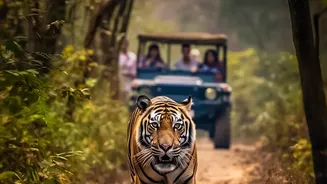
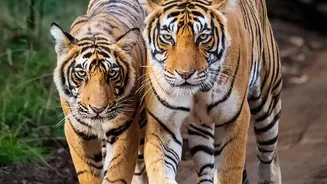
For residents of Delhi-NCR, several worldclass wildlife destinations are just a road or train trip away. Ranthambore National Park in Rajasthan, famous for its confident tiger population, is about a 6–8 hour drive or a convenient train ride away. Similarly, Jim Corbett National Park in Uttarakhand, India's oldest national park, is roughly a 5–6 hour drive from the capital, offering a chance to see tigers, elephants, and a huge variety of birdlife against the backdrop of the Himalayan foothills. These parks offer a complete experience, from thrilling jeep safaris to stays in rustic jungle lodges.
Bengaluru's Southern Sanctuaries
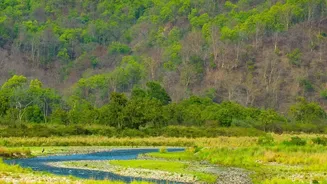
Bengaluru is uniquely positioned with the rich biodiversity of the Western Ghats at its doorstep. The drive to the Kabini region, part of Nagarhole National Park, takes only about 4–5 hours. Once a hunting ground for maharajas, Kabini is now celebrated for its incredible gatherings of Asiatic elephants, leopard sightings, and the rare chance to spot a black panther. Nearby Bandipur National Park, also a short drive away, is another premier tiger reserve that forms a crucial part of the Nilgiri Biosphere Reserve. These destinations offer a different kind of wilderness—dense forests, river ecosystems, and a unique assemblage of wildlife.
More Than Just a Tiger Sighting
While the thrill of spotting a big cat is a major draw, the appeal of these trips goes deeper. It's about the entire experience: the journey itself, the quiet serenity of the forest, and reconnecting with the natural world. A growing number of travellers are interested in sustainable travel and ecotourism, choosing lodges that support local communities and conservation efforts. The experience is immersive—learning from local guides, enjoying the tranquility of a riverside resort, and understanding the delicate balance of the ecosystem. It is a form of 'why'-cation', travel driven by the purpose of wellness and reconnection.