




Understanding the Invisible Damage
When soil is saturated with water for too long, the tiny air pockets that roots and beneficial microbes depend on disappear. This creates an anaerobic (oxygen-free) environment. Beneficial aerobic microbes, the microscopic workhorses that cycle nutrients
and suppress disease, can begin to die off in as little as 24 to 72 hours. Their demise allows anaerobic microbes to take over, which can produce substances toxic to plants and that characteristic sour, swampy smell. Furthermore, waterlogging can destroy soil structure, leading to compaction and flushing away essential nutrients like nitrogen.
Step 1: First Aid and Aeration
Before you can rebuild, you must stop the damage. First, stop watering until the soil has had a chance to dry out. Check the moisture 4-6 inches down; if it feels soggy, wait longer. For container gardens, ensure drainage holes are clear. For in-ground or raised beds, your next task is to gently reintroduce air. Avoid walking on the saturated soil, as this will only increase compaction. Once the soil is no longer dripping wet, you can carefully use a garden fork to create deep holes every foot or so, gently wiggling it to create air channels without turning the soil over. This initial aeration is critical for allowing oxygen to return to the root zone.
Step 2: Reinoculate with Microbial Life
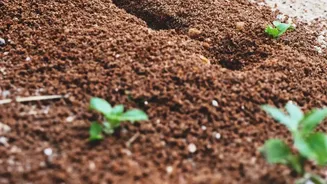
With the soil now able to breathe, it's time to bring back the beneficial microbes that were lost. The best way to do this is by adding high-quality, biologically active organic matter. A top dressing of mature compost is your best friend here. Compost is teeming with a diverse community of bacteria, fungi, and other microorganisms that will immediately get to work repairing the soil ecosystem. Another powerhouse is worm castings, also known as vermicompost. These castings are not only rich in plant-available nutrients but also packed with beneficial microbes that improve soil structure and protect against pathogens.
Step 3: Feed Your New Workforce
Simply adding microbes isn't enough; you need to provide them with food and shelter to encourage them to multiply and thrive. Organic matter is their food source. After applying compost and worm castings, add a layer of organic mulch, such as shredded leaves, straw, or wood chips. Mulch protects the soil surface, regulates temperature and moisture, and slowly breaks down, providing a continuous food supply for your new microbial team. Importantly, avoid using synthetic chemical fertilizers at this stage. These can be harsh on microbial populations and disrupt the natural nutrient cycling you are trying to re-establish.
Long-Term Health and Prevention
Restoring soil health is a process, not a one-time fix. Continue to add organic matter to your garden beds at least once or twice a year. For city gardens prone to waterlogging, consider long-term structural changes. Amending heavy clay soil with compost or expanded shale can permanently improve its drainage. Using raised beds gives you complete control over the soil composition, allowing you to create a well-draining environment from the start. For container gardeners, ensure your pots have adequate drainage and consider adding perlite or small bark fines to your potting mix to create more air space. By focusing on building a healthy, living soil, you create a resilient garden that is better equipped to handle future extremes of both drought and deluge.