






What Is Hakini Mudra?
Hakini Mudra, often called the 'Mudra for the Mind', is a sacred hand gesture used in yoga and meditation. Its name is derived from the Hindu goddess Hakini, who is associated with the Ajna chakra, or the third eye. This energy centre, located between
the eyebrows, is considered the seat of intuition, insight, and mental prowess. By performing this mudra, practitioners aim to harness this energy, promoting mental clarity, balancing the brain's hemispheres, and fostering a deeper connection with their inner wisdom. The gesture itself represents the unification of different aspects of the self and is sometimes referred to as the 'Brain Power Gesture'.
How to Perform the Gesture
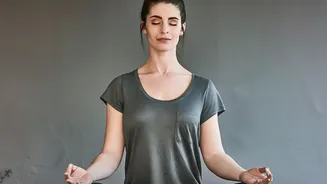
The beauty of Hakini Mudra lies in its simplicity. It can be practiced anywhere, at any time, whether you are seated in a chair at work or in a traditional cross-legged meditation pose.To begin, find a comfortable seated position, ensuring your spine is straight but not rigid. Bring your hands up in front of your chest, with the palms facing each other but not touching. Gently bring the tips of all five fingers on your right hand to meet the corresponding fingertips on your left hand—thumb to thumb, index to index, and so on. The contact should be very light, like a feather's touch. Your palms remain apart, creating a dome or tent-like shape with your hands. You can rest your hands in your lap or hold them in front of your solar plexus. Relax your shoulders and jaw, and close your eyes if you feel comfortable.
Benefits for Mind and Breath
The primary benefit associated with Hakini Mudra is its profound effect on cognitive function. Regular practice is believed to enhance memory and concentration, making it a valuable tool for students and professionals. It is thought to improve the coordination between the left and right hemispheres of the brain, balancing logical thinking with creativity. This harmonisation can lead to greater mental clarity, reduce 'brain fog', and support better decision-making skills. Furthermore, the act of holding the mudra and focusing on the breath naturally encourages slower, deeper respiration. This shift away from shallow chest breathing helps to calm the nervous system, reduce stress, and increase the flow of oxygen to the brain, promoting an overall sense of relaxation.
A Simple Seated Practice
To integrate Hakini Mudra into a seated practice, begin by settling into your chosen posture. Hold the mudra and close your eyes. For a few moments, simply bring your awareness to the points of contact where your fingertips meet. Then, turn your attention to your breath. A simple breathing technique to pair with this mudra involves inhaling gently through your nose for a count of four and exhaling slowly through your nose for a count of six. The slightly longer exhale helps to activate the body's relaxation response. As you breathe, you can also gently direct your inner gaze upward toward the space between your eyebrows—the third eye centre. Practice this for 5 to 15 minutes. This combination of gesture, breath, and focused attention can create a powerful anchor for the mind, leading to a calmer, more centred state.
When to Use Hakini Mudra
Because of its accessibility, Hakini Mudra can be a discreet and effective tool in daily life. You might practice it for a few minutes before an important meeting or presentation to gather your thoughts and calm your nerves. Students can use it during study breaks to improve focus and memory retention. It is also a wonderful way to begin or end a formal meditation practice, setting the stage for deeper inward awareness. Any time you feel mentally scattered, stressed, or fatigued, taking a few moments to hold this gesture and breathe consciously can help restore a sense of balance and clarity. The key is consistency; even a few minutes each day can yield noticeable benefits over time.