







The Numbers Sparking the Debate
Recent data has placed Indian carriers in the global spotlight for on-time performance (OTP). In June 2026, Air India notably ranked as the fourth most punctual airline globally, with an on-time arrival rate of 86.85%, according to aviation analytics
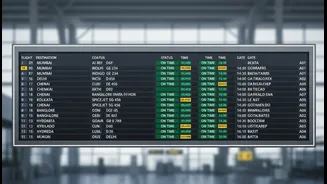
firm Cirium. This is a significant metric, where a flight is considered 'on-time' if it arrives or departs within 15 minutes of its schedule. However, data from India's own regulator, the Directorate General of Civil Aviation (DGCA), paints a more complex domestic picture. The latest DGCA figures for May 2026 showed wide variations, with IndiGo leading in OTP at 82.8%, followed by Akasa Air and the Air India Group. These numbers, while useful, are just the beginning of a much larger conversation.
When Airports Are the Bottleneck
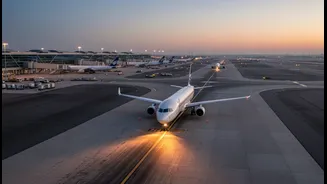
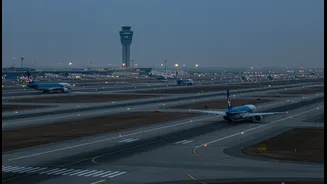
An airline's punctuality is often at the mercy of the airports it serves. India's busiest hubs, particularly in Delhi and Mumbai, are grappling with significant congestion. DGCA data for May revealed that these two major airports were at the bottom of the top ten in terms of on-time departures, with OTPs of 72.6% and 70.5% respectively. In contrast, Chennai topped the list with an impressive 92.2% OTP. This disparity highlights a crucial point: airport infrastructure is a primary driver of delays. When an airport operates beyond its capacity, it creates a cascading effect, where a single delayed landing can cause a chain reaction of disruptions across the entire network for hours. As Air India noted, congestion and air traffic control restrictions at major hubs are a constant operational challenge.
More Than Just Crowded Runways
The challenges extend beyond simple traffic jams on the tarmac. Seasonal weather, especially winter fog in North India, remains a major operational hurdle that regularly leads to delays and cancellations. Furthermore, the entire aviation ecosystem is under pressure. Record aircraft orders by carriers like IndiGo signal massive growth, but also raise questions about whether infrastructure development, crew training, and maintenance facilities can keep pace. Recent history has shown the system's fragility. In late 2025 and early 2026, widespread disruptions were caused not just by fog, but by new regulatory norms for pilot rest times, exposing staff shortages and planning deficiencies within airlines. These events show that punctuality is affected by everything from regulatory changes to an airline's internal logistics and crew management.
The Airline's Sphere of Control
While external factors play a huge role, airlines are not helpless. An airline's own operational efficiency is the second half of the punctuality equation. This includes everything from streamlining aircraft turnaround processes—the time it takes to deplane, clean, refuel, and board a new set of passengers—to enhancing real-time network monitoring to make faster decisions. Airlines with younger fleets and more disciplined maintenance schedules often face fewer technical snags that can ground planes unexpectedly. According to May 2026 data, nearly half of all flight cancellations were attributed to technical reasons, highlighting ongoing maintenance challenges across the industry. Ultimately, an airline that manages its fleet, crew, and ground operations with ruthless efficiency has a better chance of absorbing minor disruptions without letting them spiral into major delays.
What It Means for Passengers
For the Indian traveller, this complex interplay of factors translates into an often-unpredictable experience. While headline numbers about an airline's OTP provide a general guide, your flight's punctuality on any given day depends more on the specific route, time of day, and the operational health of the departure and arrival airports. The DGCA has stepped in with more passenger-centric rules, mandating that airlines provide meals, refreshments, and even accommodation for significant delays. However, these are reactive measures. The bigger conversation for passengers is understanding that the Indian aviation sector is in a phase of turbulent growth. While massive investments are being made in fleet expansion and new airports, the system is still struggling to balance explosive demand with strained infrastructure.