







What Exactly Is Chrononutrition?
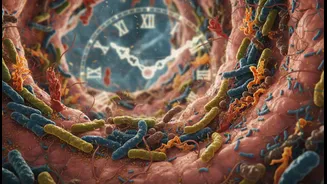
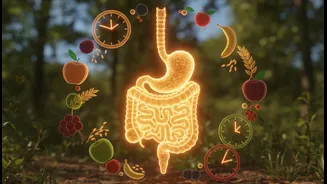
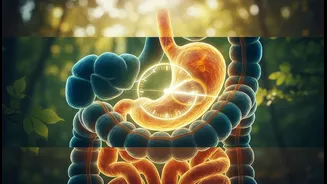
Chrononutrition is an emerging area of science that studies the relationship between our eating patterns and our body's natural 24-hour cycles, known as circadian rhythms. These internal clocks regulate almost everything, from our sleep-wake cycle to
hormone release, energy metabolism, and digestion. The core idea is simple: our bodies are primed to do different things at different times of the day. By timing our meals to coincide with when our digestive system is most efficient, we can potentially improve our overall health. It’s not about a restrictive diet, but rather about being mindful of meal timing, frequency, and consistency.
The Midday Meal Advantage
Many of us are used to a light lunch and a heavy dinner, but chrononutrition suggests we might have it backwards. This approach often advocates for front-loading calories earlier in the day. This aligns perfectly with ancient wisdom, including Ayurvedic principles, which have long championed lunch as the most important meal of the day. According to Ayurveda, our digestive fire, or 'Agni', is strongest around noon when the sun is at its peak. Modern science is beginning to support this, showing that our body’s insulin sensitivity is higher in the morning and early afternoon, meaning we can process and use calories more efficiently during this time. A larger midday meal provides the fuel we need for the rest of the day, while a lighter dinner is easier on our system as it prepares for rest.
Synchronising for Better Gut Health
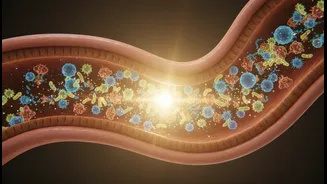
Your gut has its own rhythm. The trillions of microbes living in your digestive tract, known as the gut microbiome, also follow a daily cycle. Irregular eating patterns, like skipping meals or late-night snacking, can disrupt these microbial communities. This disruption, or 'circadian misalignment', has been linked to increased intestinal permeability (often called 'leaky gut') and inflammation. By eating at consistent times and consuming the bulk of our food when our digestive system is most active, we support a more stable and diverse gut microbiome. A healthy gut is foundational to good health, influencing everything from digestion and nutrient absorption to immune function and even our mood.
The Surprising Link to Sleep Quality
If you struggle with sleep, your dinner time might be a contributing factor. Eating a large, heavy meal too close to bedtime can disrupt your sleep in several ways. The digestive process itself can raise your body temperature, making it harder to fall asleep. It can also lead to digestive discomfort, such as acid reflux or bloating, that can wake you up during the night. Conversely, aligning your eating schedule with your circadian rhythm helps regulate key sleep-related hormones like melatonin. Finishing your last meal at least two to three hours before bed gives your body ample time to digest, allowing it to focus on restorative processes during sleep. Studies have shown that people who eat at consistent times tend to report better sleep quality.
Simple Ways to Get Started
Adopting chrononutrition doesn't have to be complicated. Start with small, manageable changes. Try to make lunch your most substantial meal of the day and keep dinner light and simple. Aim for consistency in your meal times, eating at roughly the same hours each day, even on weekends. Avoid eating a large meal within three hours of going to sleep. Instead of a heavy late-night snack, opt for something light or a warm, calming beverage if you feel hungry. Listening to your body's natural hunger and fullness cues is also key. The goal is to work with your body's natural rhythms, not against them.