
Beyond '100% Arabica'
The phrase “100% Arabica” is plastered on countless coffee bags, presented as the ultimate seal of quality. Arabica beans are prized for their complex, aromatic, and smooth flavour profiles compared to their hardier sibling, Robusta, which is known for a bolder,
stronger, and more bitter taste with about twice the caffeine. While Arabica generally fetches higher prices, the label doesn't tell the whole story. There are high-quality Robusta beans and low-quality Arabica beans. A well-grown Robusta can easily taste better than a poorly processed Arabica. The label tells you the species, but says nothing about the bean's actual quality, its origin, or how it was roasted—factors that truly define the taste in your cup.
The All-Important Blend Ratio
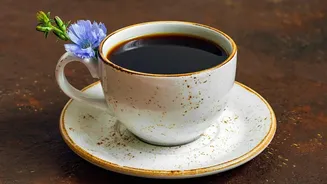
Many coffee bags, especially for espresso, contain a blend of both Arabica and Robusta beans. This is where the front-of-pack ratio becomes your best tool. A blend might be labelled as “80/20” or explicitly state “80% Arabica, 20% Robusta.” This ratio is crucial. Blends with a high percentage of Arabica (80% or more) tend to be smoother, with more nuanced fruity or floral notes and brighter acidity. They are excellent for pour-overs or for those who enjoy their coffee black. As the percentage of Robusta increases, so do the body, bitterness, and caffeine content. A small amount of Robusta, typically 10-30%, is often desired in espresso blends to produce a thick, stable crema and a powerful, punchy flavour. In India, new FSSAI regulations effective from July 2026 will require packaging for coffee-chicory blends to clearly state the exact percentage of each, promoting greater transparency for consumers.
Decoding Origin and Processing
Great roasters are proud of where their coffee comes from and will provide detailed origin information. Look for more than just a country. A truly transparent label will name the specific region, farm, or cooperative. For instance, a bag might specify beans from Thogarihunkal Estate in Chikkamagalur. This level of detail, known as traceability, is a strong indicator of quality. Additionally, information about altitude can be revealing; beans grown at higher altitudes (above 1,200 metres) mature more slowly, often developing more complex and acidic flavours. The processing method (like washed, natural, or honey) also dramatically impacts taste, but the blend ratio often provides the most immediate clue to the coffee's fundamental character.
Freshness Is Non-Negotiable
Even the best beans in the world will taste dull if they aren't fresh. Always look for a “roast date” on the package, not just a “best before” or expiration date. Coffee beans reach their peak flavour within about two to four weeks of roasting. After that, oxidation begins to degrade their delicate aromatic compounds. A missing roast date is a major red flag, suggesting the brand prioritizes a long shelf life over flavour quality. Whenever possible, buy whole beans and grind them just before brewing. Grinding accelerates oxidation, and whole beans will retain their freshness and flavour for much longer.
Putting It All Together: A Shopper's Guide
When you next pick up a bag of coffee, ignore the fancy graphics and buzzwords at first. Start by looking for the core information. First, check for a blend ratio. If it's 100% Arabica, look deeper for origin and grading details like 'Specialty Grade' or 'Plantation AA', which are marks of high quality in Indian coffee. If it's a blend, use the Arabica-Robusta ratio to predict its intensity. Next, find the roast date to ensure freshness. Finally, read the tasting notes—like “chocolate,” “caramel,” or “raspberry”—which are the roaster’s description of the natural flavours you can expect. Armed with this knowledge, you can see past the packaging and choose a coffee that truly suits your taste.