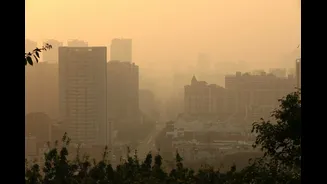







The Invisible Attack in the Air
Delhi's winter smog is a complex cocktail of pollutants. The most damaging for skin are microscopic particles known as PM2.5. These particles are so small they can penetrate the skin's outermost layers, where they generate unstable molecules called free
radicals. This process, known as oxidative stress, is a primary driver of skin damage. It breaks down collagen, which keeps skin firm, and disrupts the natural barrier that holds moisture in and keeps irritants out. Studies show this can lead to inflammation, hyperpigmentation, and accelerated signs of ageing like fine lines and wrinkles.
When Cold, Dry Air Makes It Worse
Winter weather itself creates a perfect storm for skin irritation. Cold air holds less moisture, and indoor heating makes the air even drier. This environment constantly pulls moisture from your skin, a process called transepidermal water loss. A dehydrated skin barrier becomes weak and compromised, making it even more vulnerable to the pollutants in the smog. The combination of a weakened defence system and an active environmental attack is why skin often feels tight, itchy, red, and reactive during Delhi's coldest months.
Step 1: The Defensive Cleanse
Your first line of defence is removing the day's accumulation of grime and pollutants without causing further damage. Over-washing or using harsh, stripping cleansers can worsen dryness and sensitivity. Opt for a gentle, hydrating cleanser that doesn't leave your skin feeling tight. Many dermatologists recommend a 'double cleanse' in the evening: start with an oil-based cleanser to break down makeup, sunscreen, and oily pollutants, then follow with a mild, water-based face wash to rinse everything away cleanly. This ensures you're starting with a fresh canvas, free of damaging particulate matter.
Neutralise Damage With Antioxidants
Since you can't entirely avoid pollutants, the next step is to help your skin fight back. This is where antioxidants come in. These ingredients work by neutralising the free radicals that pollution generates before they can cause significant damage. Vitamin C is a powerhouse antioxidant that not only protects but also helps to brighten the skin. Other effective antioxidants include Vitamin E, Ferulic Acid, and Niacinamide (a form of Vitamin B3). Applying a serum with these ingredients every morning acts like an invisible shield against environmental stressors.
Rebuild and Strengthen Your Barrier
A strong skin barrier is your best asset. After cleansing and applying an antioxidant serum, focus on hydration and repair. Look for moisturisers that contain ingredients designed to rebuild and support the skin's natural barrier. Ceramides are lipids that are naturally part of your skin barrier, and adding them back topically can help repair gaps. Hyaluronic acid is another hero ingredient that draws moisture into the skin, helping to keep it hydrated and plump. Using a good barrier-repair moisturiser twice daily will make your skin more resilient against both the dry air and pollutants.
The Non-Negotiable Final Layer
It's easy to forget sunscreen when the sun seems weak, but it's a critical step. UV radiation is present even on cloudy winter days, and studies show that the combination of UV rays and pollution is significantly more damaging to the skin than either one alone. Applying a broad-spectrum sunscreen with at least SPF 30 every morning is the final and most crucial step in your defensive skincare routine. It seals in your other products and provides a physical barrier against the full spectrum of environmental damage.