
The Challenge of Dining in Zero Gravity
Sending food into space is far more complex than packing a lunchbox. In a zero-gravity environment, simple things like crumbs can become a significant hazard, capable of floating into and damaging sensitive electronic equipment. Food must be lightweight,
compact, and have a shelf life of months, if not years, without refrigeration. It needs to be highly nutritious to sustain astronauts through demanding missions, yet also easy to consume. These constraints mean that regular earthly meals are off the menu, requiring a complete scientific reinvention of how food is prepared, packaged, and consumed.
Hyderabad Joins the Space Race
While the Mysuru-based Defence Food Research Laboratory (DFRL) has long been the primary driver of India’s space food program, Hyderabad-based institutions are now playing a crucial role. The ICMR-National Institute of Nutrition (NIN) in Hyderabad has started developing a specialized menu for astronauts in the Gaganyaan programme. This collaboration brings together the city's rich scientific talent to tackle the unique physiological and nutritional challenges of space travel. Scientists at NIN are meticulously designing meals that are not only safe and nutritious but also cater to the familiar tastes of Indian astronauts, a crucial factor for morale on long missions.
Crafting the Gaganyaan Menu
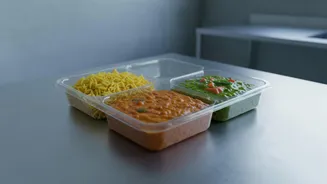
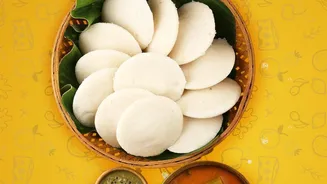
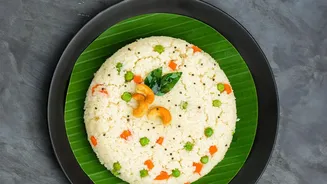
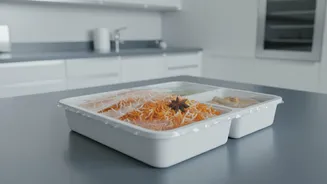
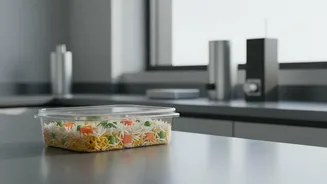
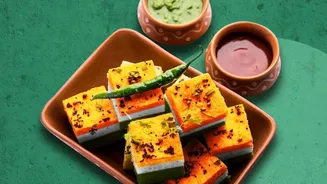
The menu being developed for India’s Gaganyaan mission is a testament to Indian ingenuity, featuring familiar comfort foods re-engineered for space. The list includes favourites like chicken biryani, veg pulao, dal khichdi, aloo paratha, and even desserts like moong dal and sooji halwa. To make these dishes space-ready, they are prepared in semi-solid, dehydrated, or ready-to-eat forms. They are also made to be mildly spiced, with optional spice sachets, and have carefully controlled levels of salt and fat to meet the specific dietary needs of astronauts in microgravity.
The Science of Space-Ready Food
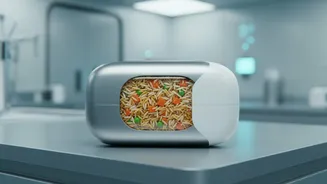
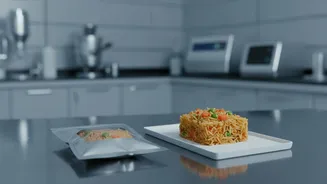
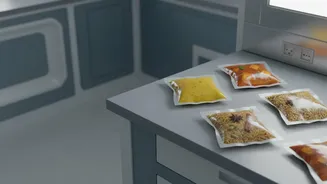
The technology that makes this all possible is a combination of advanced food science techniques. A key process is retort packaging, where food is sealed in multi-layered pouches and then sterilized with high heat and pressure. This method destroys microorganisms, ensuring the food remains safe to eat for years without preservatives or refrigeration, all while retaining much of its original flavour, texture, and nutritional value. Researchers also focus on creating low-fragmentation foods, meaning they won't produce dangerous crumbs. For beverages and liquids, special containers and straws have been designed to prevent spillage in zero gravity.
More Than Just Sustenance
Providing astronauts with familiar food is about more than just nutrition; it's a crucial psychological boost. During long, isolating, and stressful missions far from home, a comforting meal like dal or biryani can significantly enhance morale and provide a vital connection to one's culture and home. Astronauts from other countries have long had menus tailored to their cultural tastes, and India is ensuring its 'gaganauts' have the same. The experience of Indian-origin astronaut Shubhanshu Shukla, who craved salty and spicy food during his time in space, underscores the importance of taste and familiarity for well-being in orbit.