


A Craving Set by the Clouds
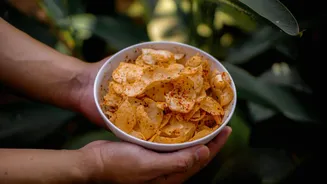
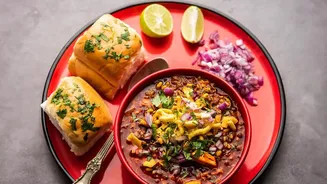
There's an unspoken rule in India: when the rain falls, the fryer calls. The connection between the monsoon season and a plate of hot, crispy snacks is a deep-rooted cultural tradition. The cool, damp weather creates a natural desire for something warm
and comforting. This craving isn't just about taste; it’s about an entire sensory experience—the sound of rain against the window, the aroma of spices mingling in the kitchen, and the warmth of a freshly cooked bite. For generations, families have gathered to enjoy delicacies like pakoras, samosas, and bhajiyas, washed down with a cup of hot chai. This ritual is a blend of nostalgia, comfort, and the simple joy of finding warmth on a gloomy day, a feeling deeply embedded in the Indian concept of comfort food.
The Gentle Art of Steamed Pitha
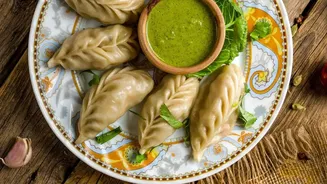
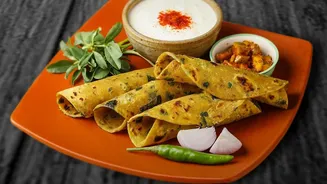
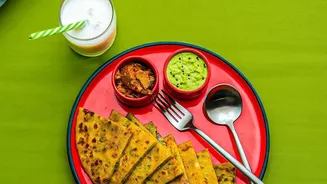
While fried snacks often grab the spotlight, another hero has emerged on the monsoon food scene: the pitha. Pithas are a diverse category of rice-flour-based cakes or dumplings, popular across Eastern and Northeastern India. Available in both sweet and savoury forms, many varieties are steamed, offering a softer, healthier counterpoint to their fried cousins. Think of soft, fragrant rice cakes filled with coconut, jaggery, or sesame, gently cooked in steam, sometimes wrapped in turmeric or banana leaves which impart a subtle aroma. Varieties like the Enduri Pitha from Odisha or the many versions found in Assam are celebrated during festivals that often coincide with the monsoon. Their gentle, comforting nature makes them a perfect, soul-soothing treat for a rainy afternoon.
The Undisputed King: Spicy Fritters
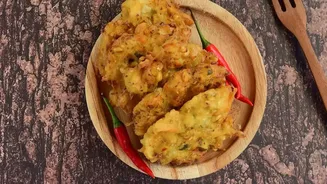
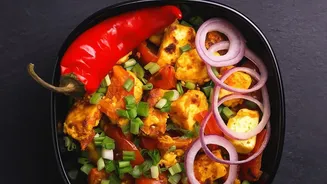
Of course, no monsoon discussion is complete without celebrating the iconic spicy fritter, known variously as pakora, bhajiya, or bonda. These deep-fried morsels are the quintessential rainy-day snack across the subcontinent. The formula is simple yet endlessly adaptable: a batter of gram flour (besan), seasoned with spices like cumin, coriander, and chilli powder, is used to coat anything from sliced onions and potatoes to spinach leaves and paneer. The result is a snack that is crispy on the outside, soft on the inside, and bursting with flavour. The universal appeal of the pakora lies in its texture, its spicy kick, and its ability to be made with whatever is on hand, making it a beloved staple in homes and street-side stalls alike.
From Plate to Pixel: The Reel Phenomenon
So, how did these timeless classics become social media superstars? The answer lies in the highly visual, sound-on format of platforms like Instagram Reels. Food content thrives on sensory appeal, and monsoon snacks are naturals for the camera. Imagine a slow-motion shot of a pakora dropping into hot oil, the sizzle amplified for ASMR effect. Or a reel showing steam rising elegantly from a freshly unwrapped pitha. The format allows creators to capture the entire process, from the chopping of vegetables to the first satisfying crunch. These short, engaging videos are not just recipes; they are mood pieces, capturing the cozy, indulgent feeling of enjoying monsoon treats. They are easily replicable, inspiring viewers to create and share their own versions, thus fueling the trend.
A Mix of Nostalgia and Modern Trends
The popularity of pitha and pakoras on social media is more than just a passing fad; it represents a perfect marriage of nostalgia and modern connectivity. In a fast-paced world, these foods evoke memories of home, family, and simpler times. Sharing them online allows people to connect over a shared cultural experience, even when they are physically apart. For younger generations, or Gen Z, who document their lives online, food is a major form of expression and experience. Recreating a grandmother’s pitha recipe or trying a new viral pakora variation becomes a way to engage with their heritage while participating in a current trend. It transforms a simple meal into content, a memory into a Reel, and a personal craving into a communal celebration of India’s beloved monsoon season.