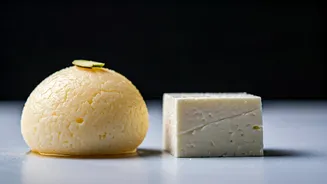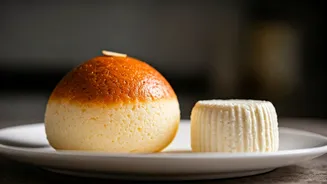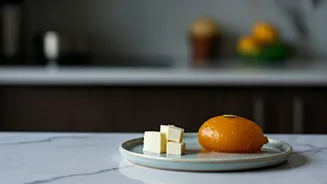



A Tale of Two Cheeses
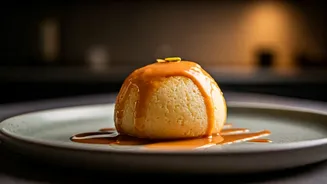
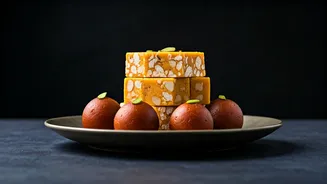
The secret to understanding this pairing lies in a simple fact: a rasgulla is already made of cheese. The soft, spongy sweet is created from chhena, a fresh, unsalted cottage cheese. This cheese is kneaded, rolled into balls, and then boiled in a light
sugar syrup. So, when we talk about pairing rasgulla with cheese, we are not mixing a sweet with a dairy product; we are pairing a sweet, fresh cheese with a second, often aged and savory, cheese. This fundamental point reframes the combination from a bizarre experiment to a thoughtful culinary exercise in contrasting textures and flavors within the same food family.
The Science of Sweet and Savory
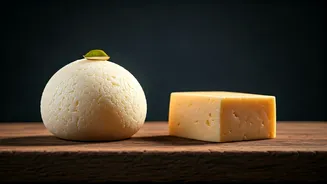
The appeal of mixing sweet and savory is a well-established principle in global cuisine. Think of a cheese board served with honey, fig jam, or grapes. The sweetness cuts through the rich, fatty, and salty notes of the cheese, creating a balanced and more complex flavor profile. The same logic applies here. The intense sweetness of the rasgulla's syrup provides a perfect counterpoint to the saltiness of a feta, the sharpness of a cheddar, or the creamy funk of a blue cheese. This contrast excites the palate in a way that a single-note dish cannot, making each bite a dynamic experience.
Fusion in the Modern Kitchen
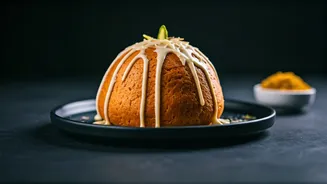
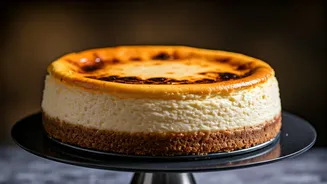
While you may not find a simple plate of rasgulla and cheddar on every menu, the spirit of this pairing is alive and well in the world of fusion desserts. One of the most popular examples is the Rasgulla Cheesecake. In this dish, whole or crumbled rasgullas are folded into a creamy cheesecake batter or used as a surprise filling, creating a dessert that marries an iconic Indian sweet with a Western classic. Chefs and home cooks have embraced this concept, with recipes like Chef Ajay Chopra's no-bake Cherry Rasgulla Cheesecake showing how seamlessly the two can be integrated. These creations are a direct and delicious expression of the 'rasgulla and cheese' idea.
The Bigger Picture: A Culinary Renaissance
This trend isn't happening in a vacuum. It is part of a broader movement in Indian food, where chefs and food enthusiasts are looking both inward and outward for inspiration. There is a growing appreciation for regional Indian ingredients, including artisanal cheeses from places like Kashmir (Kalari) and West Bengal (Bandel). At the same time, there is a playful willingness to experiment with global techniques and formats, leading to the kind of creative fusion that gives us rasgulla cheesecake. This culinary confidence means traditional dishes are no longer seen as untouchable relics but as a foundation for innovation.
How to Try the Trend at Home
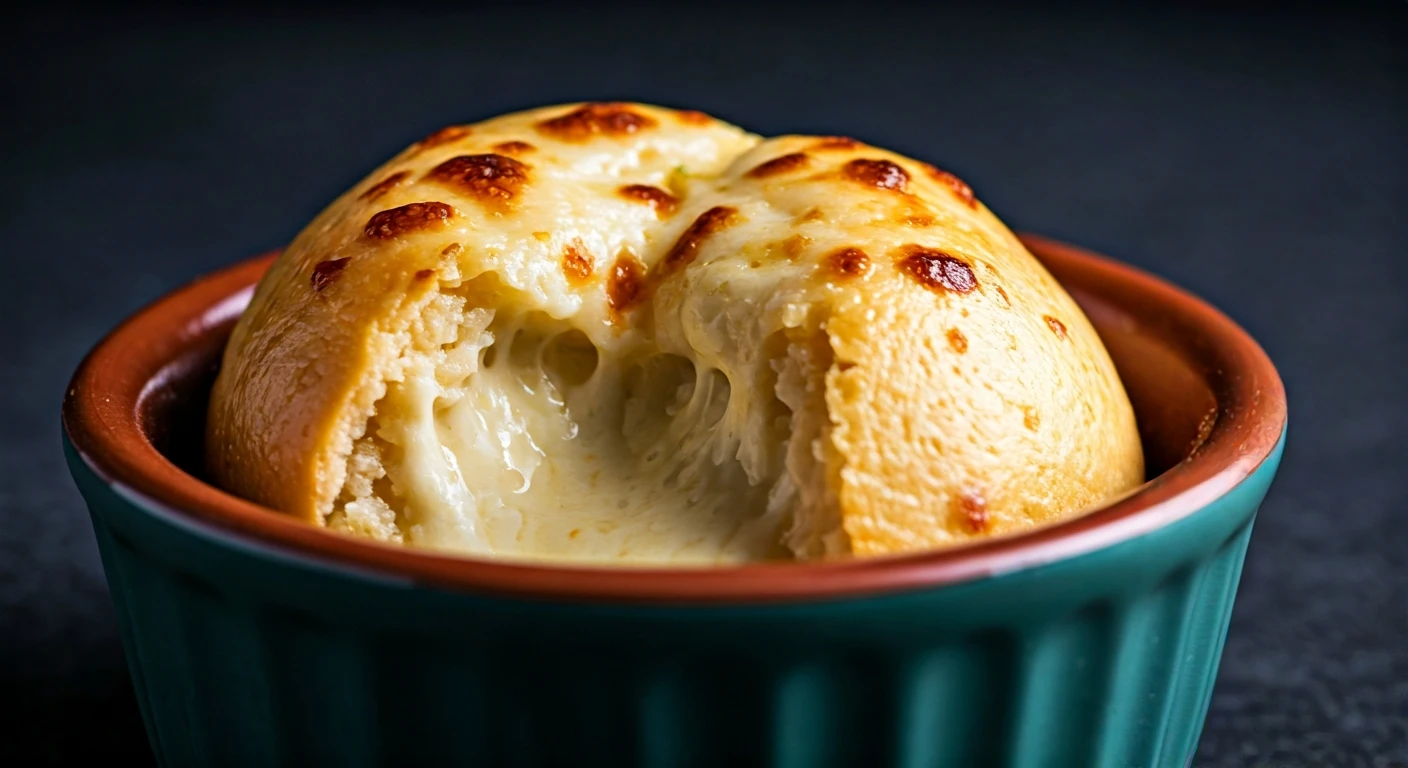
Curious to try it for yourself? You don’t need to be a professional chef. Start with simple pairings. Gently squeeze some of the excess syrup from a rasgulla and serve it warm with a crumble of salty feta or a sliver of sharp Parmesan. The contrast in temperature and taste can be revelatory. For something more elaborate, you can try making 'Baked Rasgulla', a dish where rasgullas are baked in a thickened milk or cream sauce, akin to a gratin. You could even place a halved rasgulla on a digestive biscuit, top it with a thin slice of brie, and warm it slightly for a unique canapé that hits all the right sweet, savory, and creamy notes.