





The Body's Unsung Hero
Vitamin B12, also known as cobalamin, is a crucial nutrient that often flies under the radar. It's essential for creating healthy red blood cells, which carry oxygen throughout your body, and for producing DNA, the genetic blueprint inside every cell.
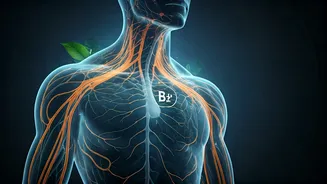
Perhaps its most critical role is maintaining the health of your nervous system. B12 helps form myelin, a protective sheath that covers your nerves, ensuring proper transmission of signals between your brain and the rest of your body. Without enough B12, these fundamental processes can be compromised, leading to a range of health issues that can develop gradually and worsen over time if left unaddressed.
The Plant-Based Problem
Here's the central challenge: Vitamin B12 is not naturally produced by plants. It is synthesized by microorganisms found in soil and water. Animals absorb this B12 by consuming these microorganisms, or through their feed, concentrating the vitamin in their meat and dairy products. This makes foods like meat, fish, eggs, and dairy products the primary natural sources for humans. For those on a strict plant-based or vegan diet, this poses a significant problem. Unlike a lacto-vegetarian diet which includes dairy like milk, paneer, and curd—all reliable Indian sources of B12—a purely plant-based diet has virtually no natural sources of the vitamin. This is why B12 deficiency is a noted concern for vegetarians and an even greater risk for vegans.
From Traditional to Urban Diets
For generations, many Indians have followed vegetarian diets without widespread B12 issues. Traditional lacto-vegetarian diets are rich in milk, paneer, and dahi (curd), which are excellent sources. Fermented foods like idli and dosa may also contribute trace amounts due to the bacteria involved in the fermentation process. However, the modern urban shift towards "plant-based" eating often means moving away from these traditional dairy sources in favour of processed alternatives. While some plant-based milks and meat substitutes are fortified with B12, many are not. This shift, combined with a decline in home-cooked meals, creates a nutritional gap that traditional diets were better equipped to fill. This has led to what some experts call an 'unseen nutritional emergency' in India, with studies showing high rates of B12 deficiency.
Recognising the Deficiency
B12 deficiency symptoms can be subtle and are often mistaken for other issues. Early signs include persistent fatigue, weakness, or feeling lightheaded. Because B12 is vital for nerve health, a deficiency can cause neurological symptoms like a tingling or "pins and needles" sensation in the hands and feet. Other signs may include a sore, red tongue, mouth ulcers, pale skin, and digestive problems like loss of appetite or constipation. If the deficiency becomes more severe, it can lead to more serious issues like problems with balance, memory loss, confusion, and even irreversible nerve damage. It's important to recognise these signs early and consult a doctor, as timely diagnosis and treatment are crucial.
Bridging the Nutritional Gap
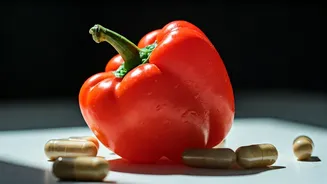
The good news is that preventing B12 deficiency on a plant-based diet is straightforward with mindful planning. The most reliable method is through fortified foods and supplements. Many breakfast cereals, plant-based milks (like soy and almond), and nutritional yeast are now fortified with B12. Nutritional yeast, in particular, is a popular choice for vegans as it provides a cheesy, savoury flavour along with a significant B12 boost. For those who may not consume enough fortified foods, a B12 supplement is a highly effective solution. Supplements are available as tablets or injections and can reliably fill the nutritional void. The key is consistency and awareness, ensuring that this essential nutrient isn't overlooked in the pursuit of a healthier, plant-forward lifestyle.