
India's Eye on the Sun
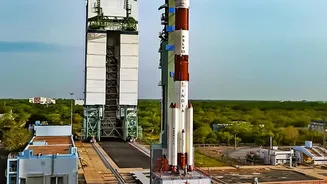
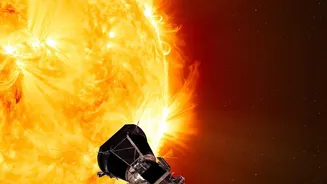
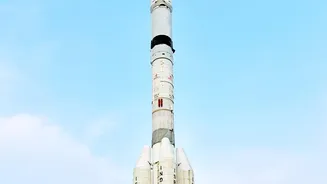
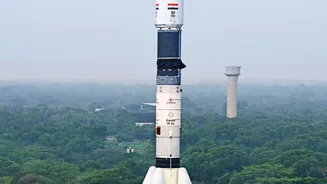
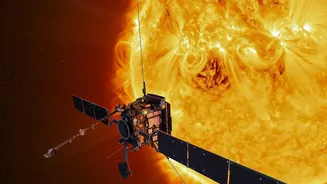
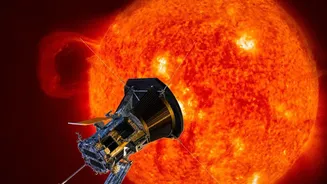
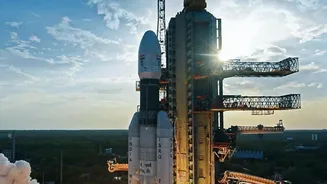
Launched in 2023, Aditya-L1 is the Indian Space Research Organisation's (ISRO) first dedicated mission to study the Sun. It is strategically positioned at Lagrange Point 1 (L1), about 1.5 million kilometres from Earth. This special spot allows the spacecraft
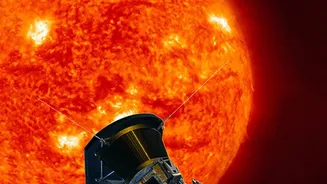
to have a continuous, uninterrupted view of the Sun, free from eclipses. The spacecraft is equipped with seven sophisticated instruments, all developed indigenously. Four of these payloads directly observe the Sun's different layers—the photosphere, chromosphere, and the mysterious, super-heated corona—while the other three conduct in-situ studies, directly measuring particles and magnetic fields in its vicinity. This dual capability makes Aditya-L1 a comprehensive solar observatory.
Decoding the Solar Wind
One of the key phenomena Aditya-L1 is built to study is the solar wind—a continuous stream of charged particles flowing outward from the Sun at speeds up to 900 kilometres per second. Recent data from the mission's Aditya Solar wind Particle Experiment (ASPEX) and Plasma Analyser Package for Aditya (PAPA) instruments have provided high-fidelity measurements of this wind. These instruments measure the composition and direction of solar wind particles, like protons and alpha particles. By analysing variations in the solar wind's speed, density, and pressure, scientists can better understand how events on the Sun translate into conditions in interplanetary space. For instance, ISRO scientists used Aditya-L1 data to confirm that a sudden drop in solar wind pressure caused unusual magnetic disturbances on Earth during a powerful geomagnetic storm.
What Is Space Weather?
The solar wind is the primary driver of what is known as 'space weather'. This term doesn't refer to rain or snow in space, but rather to the changing conditions in the space environment, particularly in the region around Earth. These conditions are dictated by massive explosions on the Sun, such as solar flares and Coronal Mass Ejections (CMEs), which hurl enormous clouds of plasma and radiation into space. When these bursts of energy travel towards Earth, they interact with our planet's natural magnetic shield, the magnetosphere. While the magnetosphere deflects most of the harmful particles, intense solar events can compress and disturb it, leading to geomagnetic storms.
Why Space Weather Matters on Earth
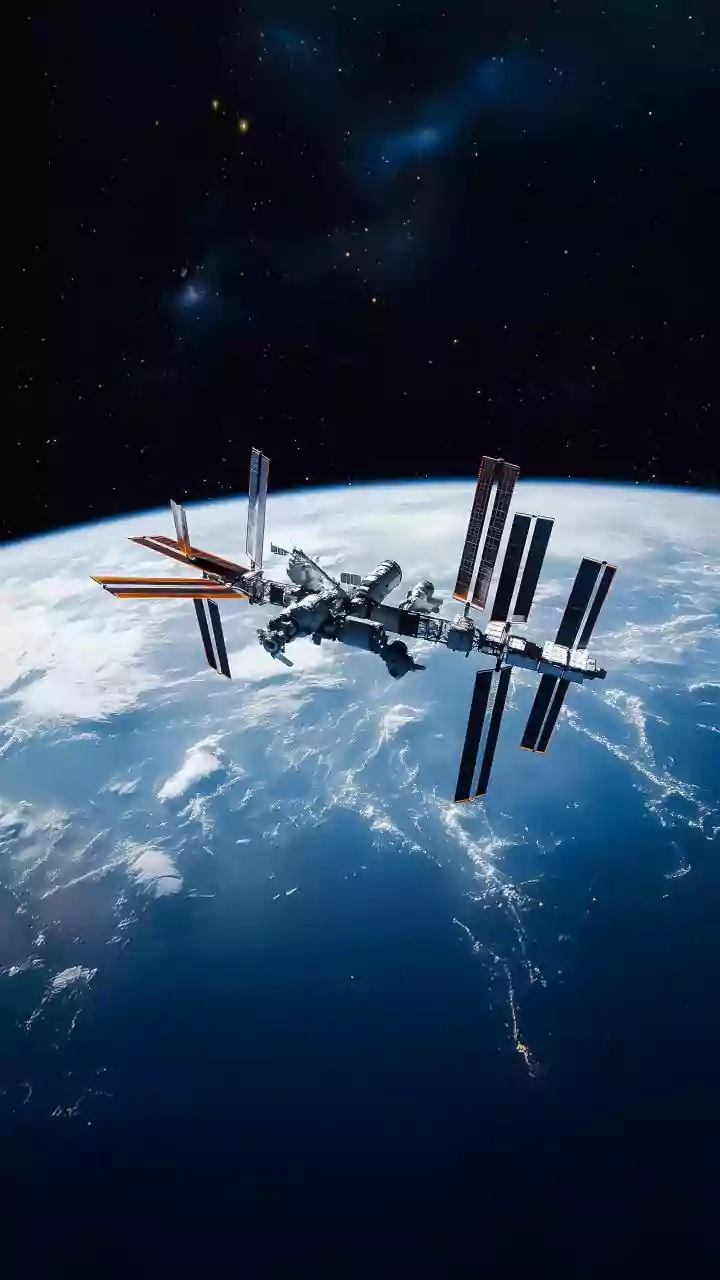
The effects of space weather are not confined to space. Intense geomagnetic storms can have serious consequences for our technology-dependent world. They can disrupt satellite operations, affecting everything from GPS navigation and telecommunications to television broadcasts. They can also induce powerful electrical currents in terrestrial power grids, potentially damaging transformers and causing widespread outages. Furthermore, the increased radiation poses a risk to astronauts in orbit and can even interfere with airline communications on polar routes. Aditya-L1's observations of a recent storm showed that a turbulent region of solar plasma compressed Earth's magnetosphere so severely that some geostationary satellites were briefly exposed to the harsh conditions of outer space.
A Crucial Early Warning System
This is where Aditya-L1's role becomes critical. By providing an early warning of solar eruptions and tracking their journey across space, the mission gives us a vital head start. The data helps scientists predict when a CME will hit Earth and how intense its impact might be. Recent findings from the mission have even identified small-scale brightening events on the Sun that occur hours before a major solar flare, acting as a potential precursor. This advance knowledge is crucial for operators of satellites, power grids, and airlines to take protective measures, safeguarding our critical infrastructure from the Sun's powerful outbursts. The insights from Aditya-L1 are not just a national achievement for India; they are a significant contribution to the global effort to understand and prepare for space weather.