




The Rise of the Experience Economy
There’s a fundamental shift happening in how young Indians define wealth and success. Where previous generations focused on accumulating tangible assets, Millennials and Gen Z are increasingly diverting their disposable income towards creating a rich
portfolio of memories. This isn't just a fleeting trend; it’s a booming market. India's 'experience economy'—spanning live events, travel, concerts, and cultural tourism—is projected to nearly double in the coming years, growing from about $32.2 billion in 2024 to an estimated $59.2 billion by 2030. This growth is fueled by a simple philosophy: possessions can be temporary, but experiences shape who you are. Reports indicate that a significant majority of young Indian consumers, in some cases as high as 78%, now prefer spending on experiences rather than physical products.
Social Media and the Currency of 'Been There, Done That'
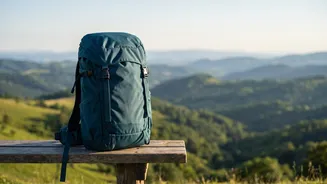
The desire for experiences is heavily amplified by social media. Platforms like Instagram and YouTube have turned personal experiences into a form of social currency. A stunning photo from a trek in the Himalayas or a video from a packed concert often generates more social validation than a new gadget. This creates a powerful feedback loop. The more experiences are shared online, the more they become aspirational. This phenomenon, often dubbed the 'Fear of Missing Out' (FOMO), is a significant driver of spending. For many, the ability to post about attending a Diljit Dosanjh concert or a getaway to Thailand is worth the high price tag, sometimes even if it means stretching their finances. Status is no longer just about what you own, but about the stories you can tell and, crucially, share.
Redefining Life's Milestones
Shifting life timelines are also reshaping financial priorities. With many young Indians marrying later and delaying major life decisions like buying a home due to financial pressures and affordability concerns, there's a longer period of discretionary spending. During these years, income that might have once been allocated to a down payment is now channelled into travel, hobbies, and personal growth. Travel ranks as the most important spending priority for this generation in India. The rise of remote and hybrid work models has further untethered them from traditional constraints, making it easier to blend work with travel. This demographic isn't just saving for a rainy day; many are actively building 'fun funds' to budget for concerts, trips, and workshops.
The Value of Personal Growth and Wellness
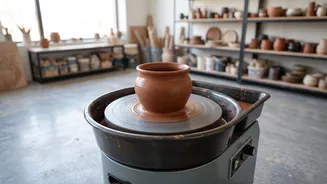
This trend isn't purely about hedonism; it's also deeply connected to a desire for self-improvement and well-being. Experiences are seen as an investment in oneself. Young Indians are proactively seeking out short-term courses, wellness retreats, and skill-based workshops that contribute to personal development. This reflects a broader cultural change where happiness is increasingly linked to mental health, introspection, and wider exposure to new ideas and cultures. As one sociologist notes, in a world that can feel precarious and uncertain, experiences that offer personal growth are often seen as more meaningful than tangible possessions. Spending on beauty and wellness has remained resilient, with demand growing rapidly even in Tier-2 and Tier-3 cities.
A Nationwide Shift
This is not just a metro phenomenon. The desire for experiences is a key driver of the digital economy across the country. Data on UPI transactions shows that Tier-2 and Tier-3 cities are seeing massive growth in spending on travel and entertainment. The convenience of digital payments has made it easier than ever to book a movie ticket, a flight, or a concert pass, no matter where you live. While young people in smaller cities are also driving this trend, they are influencing the market in a big way, with one report noting that nearly 70% of online shoppers now come from beyond the major metro areas. This shows that the prioritisation of 'moments over things' is becoming a defining characteristic of India's next generation of consumers as a whole.