



Start with the Origin
Just like with wine, the concept of 'terroir' is crucial in tea. It refers to the unique environment where the tea is grown—including the soil, altitude, and climate—all of which shape its final flavour. Speciality teas are often 'single-origin', meaning
the leaves come from one specific estate or region. This allows you to taste the distinct character of that location. For instance, a black tea from Assam will typically be bold and malty, a product of its warm, humid climate. A tea from the cooler, high-altitude region of Darjeeling, however, will be more delicate and floral. Blends, on the other hand, combine teas from multiple origins to create a consistent, reliable flavour profile. When you're shopping, look for information on the origin. A reputable seller will be proud to share where their tea comes from, giving you the first clue about the taste experience you can expect.
Inspect the Ingredients
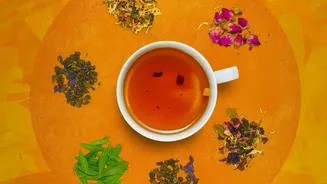
The next step is to look at what's actually in the blend besides the tea leaves. Speciality teas are defined by their high-quality leaves—often whole or large pieces, as opposed to the 'dust' and 'fannings' found in many mass-market tea bags. But many speciality teas also include other 'inclusions' like dried fruits, flowers, herbs, and spices. The key is to check for quality and transparency. A high-quality blend will use real, identifiable pieces of these ingredients. Be wary of vague terms like 'flavouring' on the ingredients list. While 'natural flavouring' means it's derived from a natural source like a fruit or spice, 'artificial flavouring' refers to compounds created in a lab. Many producers use these to create a stronger or more consistent taste, but purists often prefer teas with no added flavourings at all, letting the quality of the leaf speak for itself. Always read the label to ensure you know what you're getting.
Consider the Caffeine
Finally, think about the kind of energy you want from your cup. All 'true' teas come from the Camellia sinensis plant and naturally contain caffeine. However, the amount varies significantly based on the type of tea and how it's processed. As a general guide, black tea tends to have the most caffeine, often ranging from 40-70 milligrams per cup, making it a good choice for a morning boost. Oolong teas are next, followed by green teas, which typically contain 20-45 milligrams. White tea, made from the youngest leaves, usually has the least caffeine among true teas, around 15-40 milligrams. If you're looking for a caffeine-free option, you'll want an herbal tea, also known as a tisane. These are made from herbs, spices, and fruits like chamomile or peppermint and contain no tea leaves, and therefore no caffeine.
Putting It All Together
The magic happens when you see these three elements as a connected checklist. Your preference in one area will guide your choices in the others. For example, if you know you want a strong, high-caffeine breakfast tea, you might look for a single-origin Assam black tea. If you need a soothing, caffeine-free bedtime drink, you'll immediately shift your focus to herbal tisanes, checking the ingredients for calming botanicals like lavender or chamomile. Wanting a moderately caffeinated green tea might lead you to explore single-origin options from Japan, known for their grassy and umami notes. By thinking about origin, ingredients, and caffeine together, you move from being overwhelmed by choice to making an informed decision. This simple, three-step mental checklist transforms the way you browse, empowering you to zero in on the teas that you are most likely to love.