



Yoga: The Art of Inward Attention
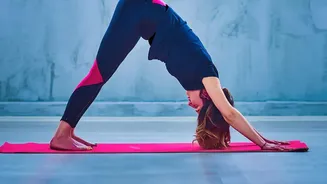
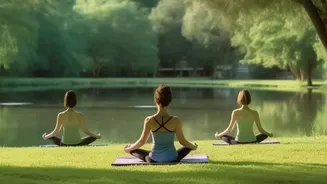
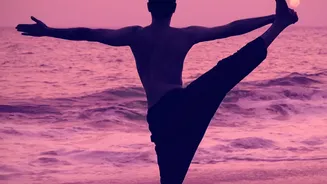
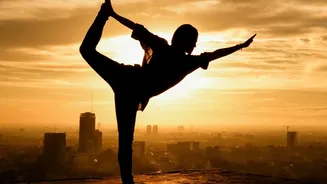
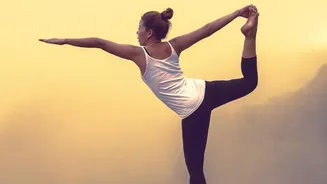
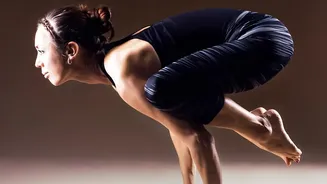
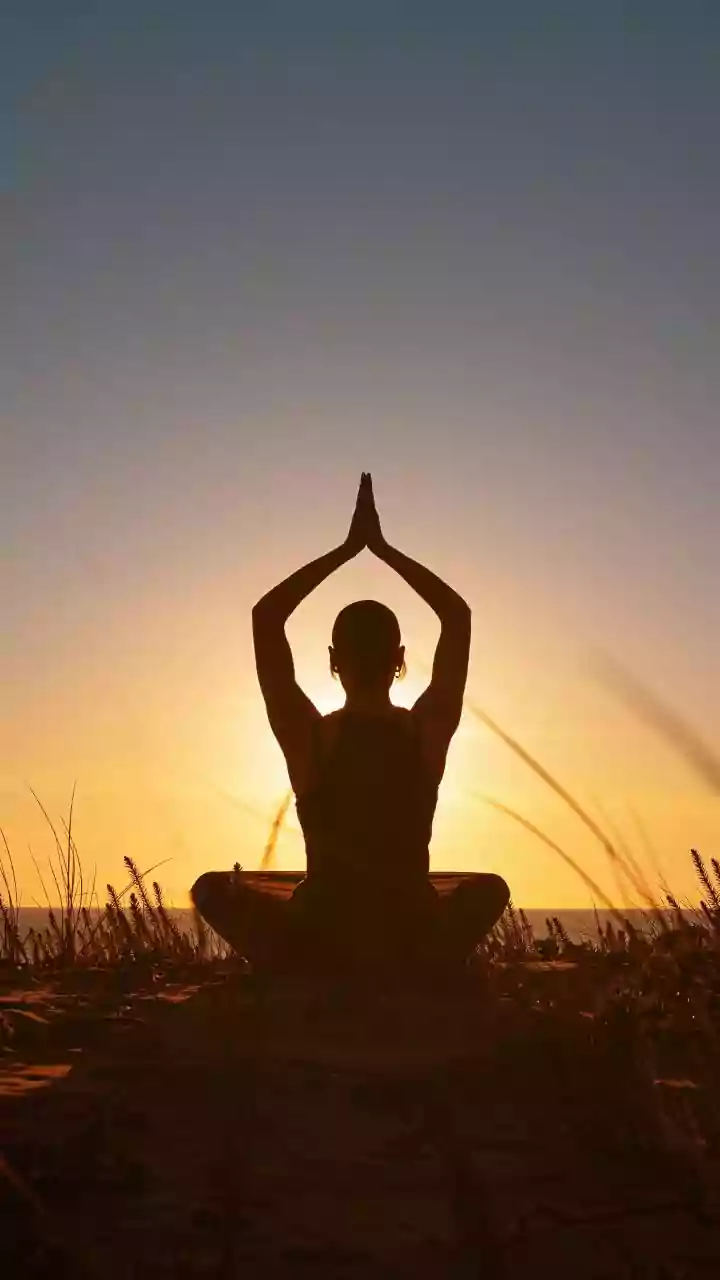
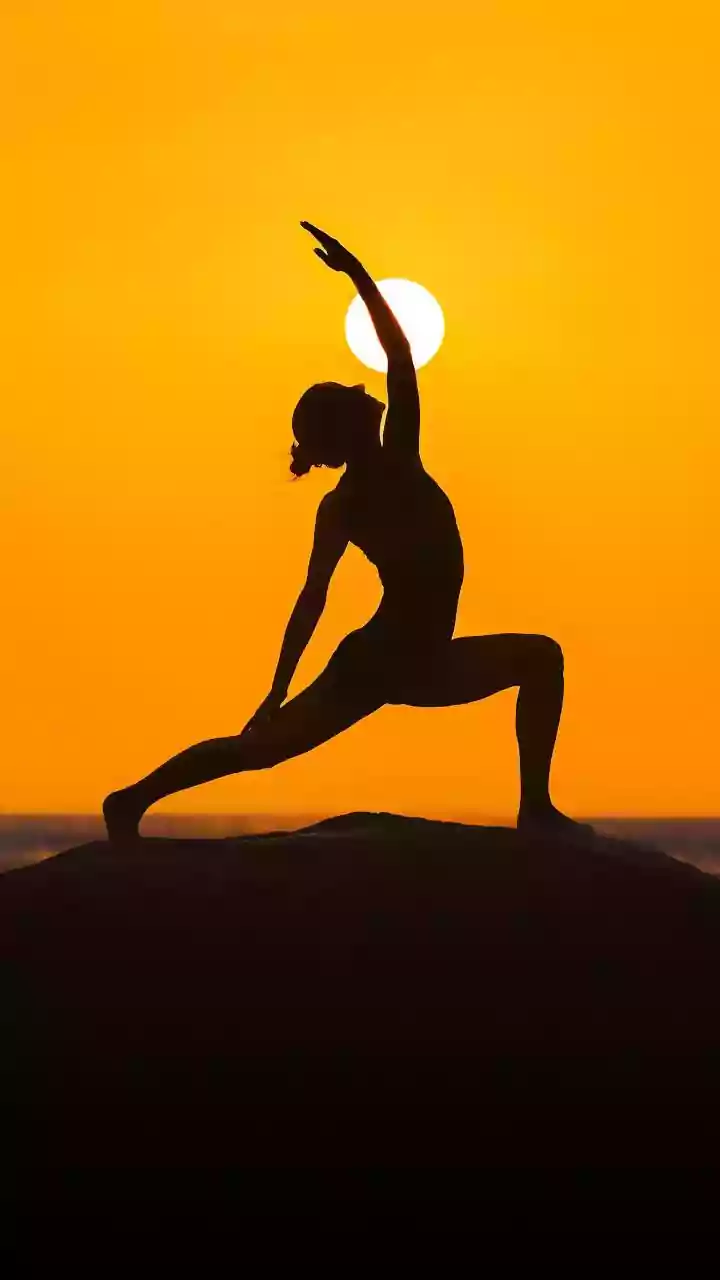
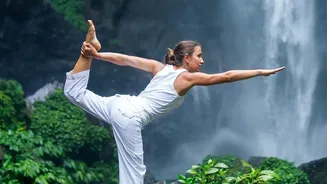
At its core, yoga is a practice of uniting mind, body, and spirit, largely through cultivating a focused, internal awareness. The primary direction of attention in yoga is inward. Through physical postures (asanas), controlled breathing (pranayama), and a focused gaze
(drishti), practitioners are encouraged to tune into the subtle sensations within their own bodies. This deep listening is a form of interoception—the sense of the internal state of the body, such as your heartbeat, breath, and muscle tension. The goal isn't to perfect an outward shape for an audience, but to explore the body's experience from the inside out. Studies suggest this mindful practice can quiet the brain's 'mind-wandering' networks, reduce stress hormones like cortisol, and strengthen neural pathways associated with focus and cognitive control.
Dance: The Language of Outward Expression
If yoga’s attention is directed inward, dance is its expressive counterpart, projecting energy and emotion outward. Dance is a form of storytelling and emotional release, a way to translate feelings into physical action. Whether it’s the structured narrative of classical ballet, the social connection of salsa, or the raw freedom of unchoreographed movement, dance is fundamentally a communicative art. It’s about externalising an internal state for an audience, even if that audience is just yourself. This process of expression is therapeutic, triggering the release of mood-elevating endorphins and serotonin. While it requires immense physical control, the primary goal of dance is often to express what words cannot.
The Brain on Yoga and Dance
Neuroscience reveals fascinating differences in how these two disciplines engage the brain. Yoga and its meditative components have been shown to reduce activity in the brain's default mode network, which is linked to self-critical thoughts and rumination. It strengthens the prefrontal cortex, the brain's hub for focus and emotional regulation. Dance, on the other hand, activates a complex network involving motor planning, sensory processing, and emotional centers like the amygdala and insula. It is a full-brain workout that demands divided attention—coordinating steps, responding to music, and sometimes interacting with a partner—which can improve cognitive function and processing speed.
Where Focus and Feeling Overlap
The distinction between inward attention and outward expression is not absolute. Great dancing requires an extraordinary level of internal body awareness, or proprioception—the sense of where your body is in space. Dancers must have a deep connection to their own musculature and balance to achieve fluid, controlled movements. Conversely, yoga is not devoid of expression. For many, the practice becomes a way to express self-acceptance and find a graceful, authentic flow. A yoga practitioner moving with intention is performing a kind of physical poetry, even if its meaning is entirely personal. Dancers often use yoga to enhance their mind-body connection, prevent injury, and bring a deeper awareness into their performances.
Which Practice Is Right for You?
Choosing between yoga and dance depends entirely on your personal goals. If you are seeking to calm a busy mind, reduce anxiety, and cultivate a deeper sense of self-awareness through quiet introspection, yoga may be the more direct path. Its emphasis on breath and mindfulness provides powerful tools for stress management. If, however, you are looking for an energetic, creative, and often social outlet to release emotions, boost your mood, and express yourself through dynamic movement, dance could be a better fit. It offers a powerful way to process feelings and connect with others through the universal language of movement.