




The Science of Sizzle: Why Smoke Point Matters
Before we pair oils with pans, it’s crucial to understand the 'smoke point'. This is the temperature at which a fat stops shimmering and starts smoking. When an oil is heated past its smoke point, it begins to break down, which can release harmful compounds
and give your food a bitter, burnt taste. Most Indian cooking methods like tadka (tempering), stir-frying, and deep-frying happen at high temperatures, making the smoke point a critical factor in your choice of fat. Using an oil within its proper temperature range ensures your food is cooked safely and tastes exactly as it should.
The Golden Standard: High-Heat Hero Ghee
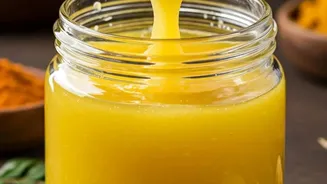
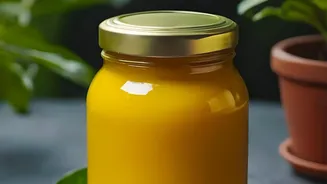
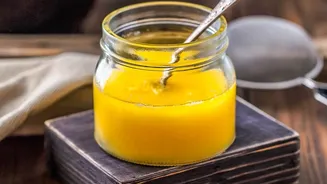
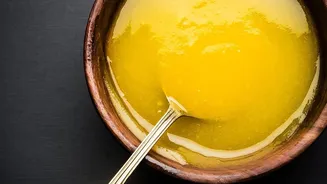
Ghee is the undisputed champion of the high-heat Indian kitchen. As clarified butter with milk solids removed, it boasts a very high smoke point, typically around 250°C. This makes it the perfect medium for deep-frying everything from pakoras to puris, and for creating the sizzling tadkas that form the flavour base of countless dals and curries. Beyond its heat stability, ghee imparts a rich, nutty flavour that enhances dishes. Its composition of stable fatty acids means it doesn't break down easily, preserving both the nutrients in the ghee and the ingredients you're cooking.
A Touch of Luxury: Using Infused Ghee
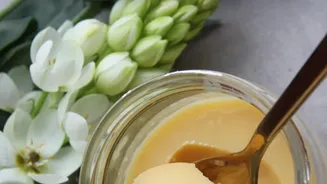
Infused ghee is a simple way to elevate a dish from good to great. This is simply ghee that has been gently heated with aromatics like garlic, herbs (like curry leaves or rosemary), or whole spices (like cardamom or peppercorns), which are then strained out. These ghees are best used as a finishing touch rather than a primary cooking medium, as the infusion process can sometimes slightly lower the smoke point. Imagine drizzling garlic-infused ghee over a finished dal makhani, tossing roasted vegetables with a herby version, or spreading a spice-infused ghee on hot rotis. It’s a chef-level trick that adds a layer of complex flavour with minimal effort.
Nature's Best: The Role of Cold-Pressed Oils
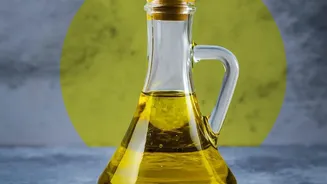
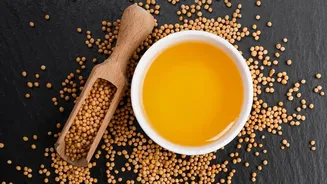
Cold-pressed oils, extracted without heat or chemicals, are celebrated for retaining their natural nutrients, flavour, and aroma. Popular choices in India include groundnut, mustard, coconut, and sesame oils. However, this gentle extraction process generally results in lower smoke points compared to refined oils or ghee. For instance, cold-pressed groundnut oil has a smoke point around 160°C, while coconut oil's is about 177°C. This makes them unsuitable for prolonged deep-frying but perfect for many other applications. They excel in low to medium-heat cooking like sautéing vegetables, making gravies, or preparing chutneys where their distinct flavours can shine.
The Perfect Pairing: A Kitchen Cheat Sheet
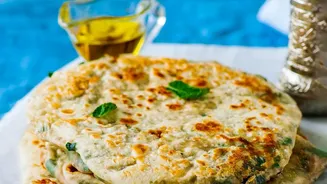
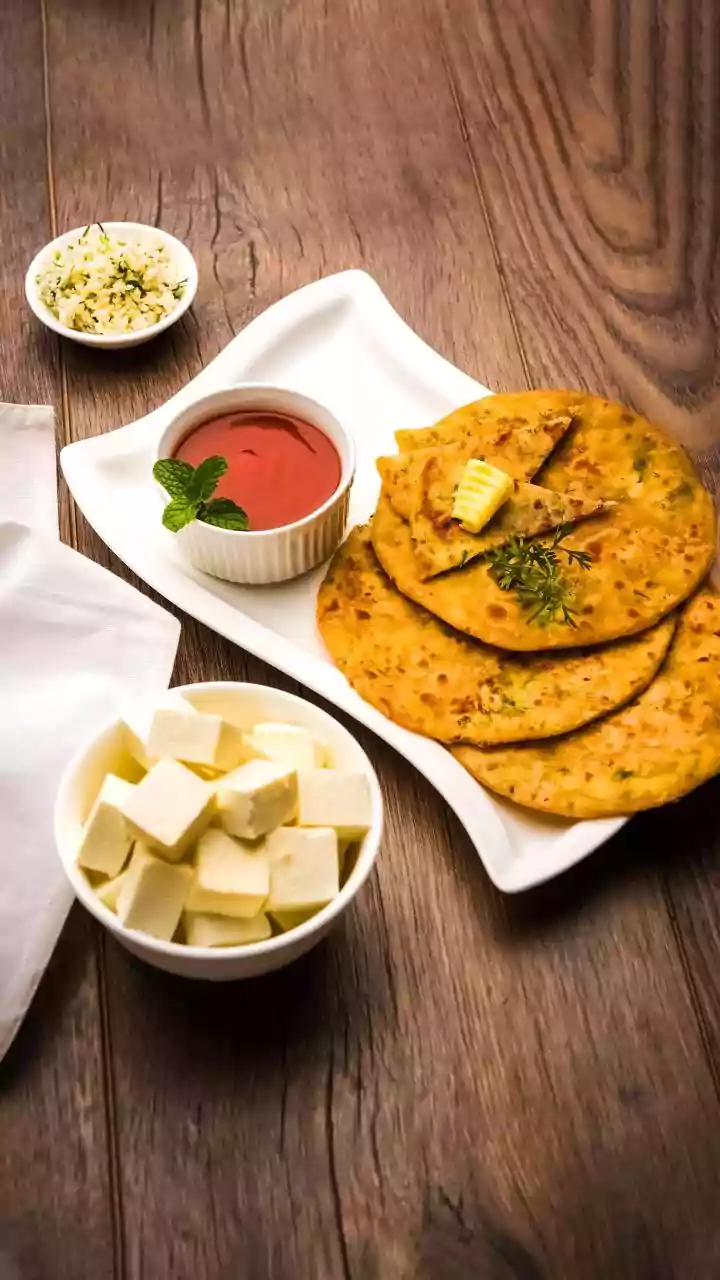
Matching the right fat to the right dish transforms your cooking. Here’s a quick guide for the urban home chef: For High-Heat Frying & Searing: (e.g., Samosas, Cutlets, Paneer Tikka): Ghee is your best friend due to its high smoke point of 250°C. For Everyday Tadka & Sabzi: (e.g., Dal Tadka, Aloo Gobi): Ghee is ideal for a classic flavour. For regional authenticity, cold-pressed groundnut oil works well for daily cooking in western India, while mustard oil is a staple in the north and east. For South Indian Cuisine: (e.g., Avial, Thoran, Pesarattu): Cold-pressed coconut oil (for Kerala dishes) or sesame (gingelly) oil (for Tamil Nadu and Andhra dishes) adds authentic flavour. For Finishing & Drizzling: (e.g., Over Dal, Khichdi, or a simple Pulao): A spoonful of plain or infused ghee adds immense richness and aroma. * For Salad Dressings & Marinades: Cold-pressed oils with distinctive flavours like sesame or even extra virgin olive oil are perfect here, as their delicate compounds aren't exposed to heat.