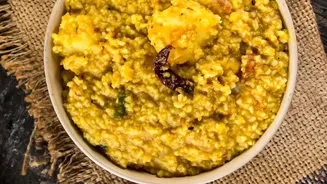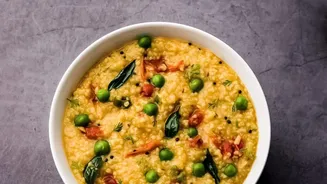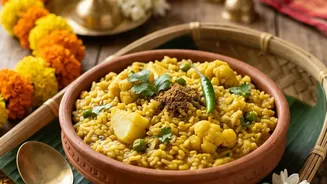

In the world of Indian comfort foods, Dalia and Khichdi reign supreme as wholesome, nourishing meals. Both are hailed for their health benefits, but when it comes to dietary fibre, one of the most crucial nutrients, how do they really compare?
Understanding Dalia: The Whole Wheat Powerhouse
Dalia, also
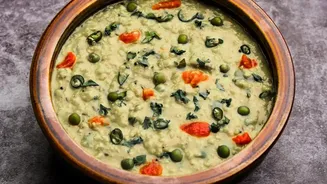
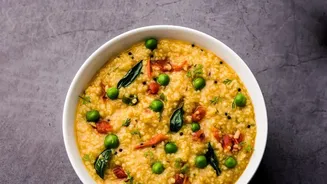
known as broken or cracked wheat, is a minimally processed whole grain. It's made by crushing whole raw wheat kernels, which means it retains the nutrient-rich bran and germ. This simple process ensures that dalia is packed with complex carbohydrates and, most importantly, dietary fibre. A 100-gram serving of uncooked dalia can contain an impressive 10 to 12 grams of fibre. This high fibre content is a significant advantage for digestive health, promoting regularity and helping you feel full for longer. Commonly enjoyed as a savoury porridge with vegetables or a sweet version with milk, its versatility makes it a staple in many Indian households.
Decoding Khichdi: The Ultimate Comfort Meal
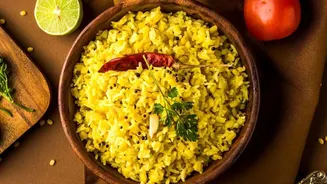
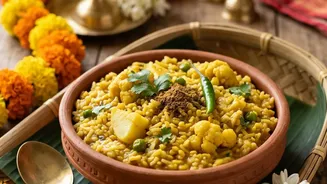
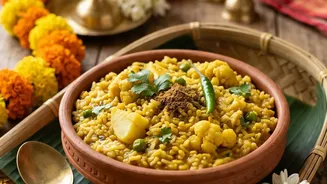
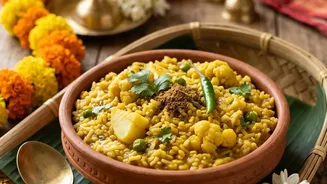
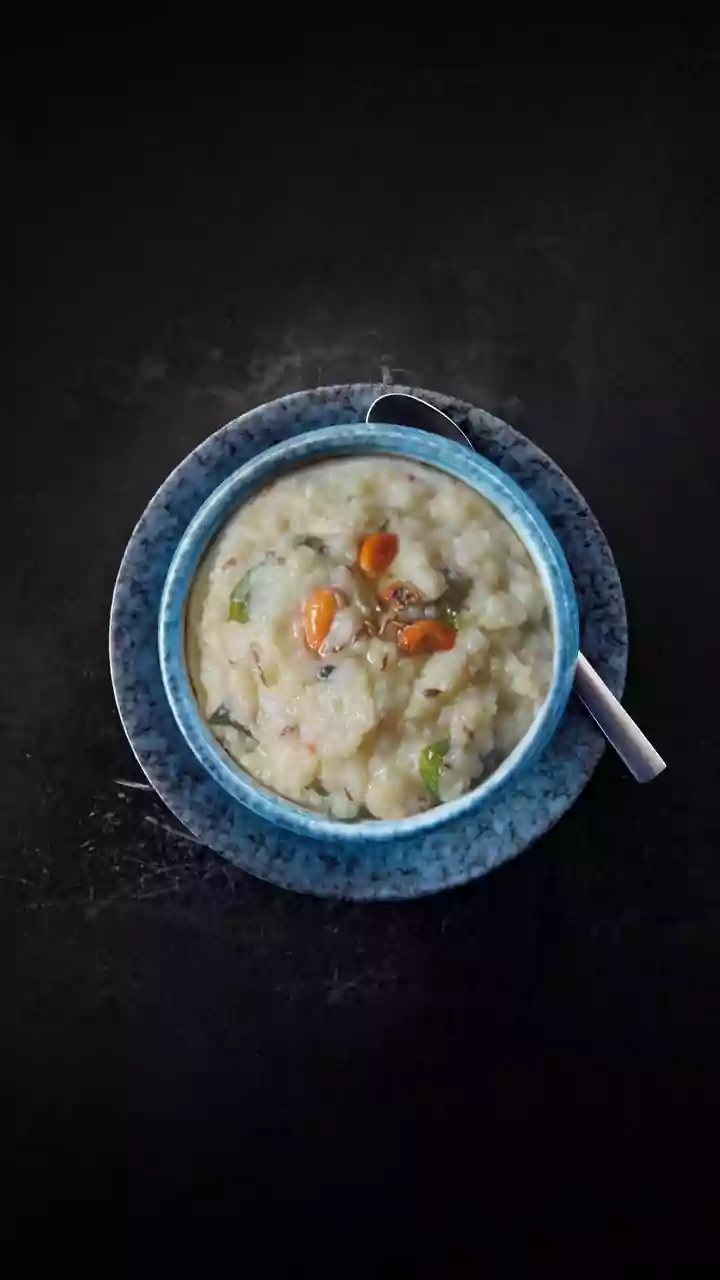
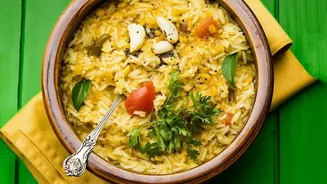
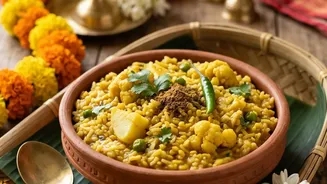
Khichdi is a timeless, one-pot dish celebrated for its simplicity and digestibility. The classic preparation involves cooking rice and lentils (most often moong dal) together until they form a soft, porridge-like consistency. Often seasoned with mild spices and a touch of ghee, it's a go-to meal during illness or for those with sensitive digestive systems. The fibre content in a traditional khichdi is more modest, primarily coming from the lentils. A standard bowl of plain moong dal khichdi made with white rice might offer around 3 to 4 grams of fibre. However, the nutritional profile of khichdi can be easily enhanced by adding more vegetables or using fibre-rich grains like brown rice or millets instead of white rice.
The Fibre Face-Off: A Clear Winner
When comparing the two on fibre content alone, dalia is the undisputed champion. With roughly 10-12 grams of fibre per 100g of dry grain, it significantly surpasses the 2.8g found in white rice, a key component of traditional khichdi. This high fibre content makes dalia particularly effective for promoting satiety, which is the feeling of fullness that helps prevent overeating. This is why dalia is often recommended for weight management and for maintaining stable energy levels throughout the day. While khichdi's fibre can be boosted, in its most basic form, it doesn't compete with the natural fibre density of whole broken wheat.
Beyond Fibre: A Broader Nutritional Snapshot
While dalia leads in fibre, khichdi has its own unique nutritional advantage: it's a complete protein. The combination of a cereal (rice) and a legume (dal) provides all the essential amino acids your body needs, making it an excellent meal for muscle repair and growth. Dalia, while containing a good amount of protein (around 12g per 100g), is not a complete protein on its own. Furthermore, dalia boasts a lower Glycemic Index (GI) of around 41, ensuring a slow and steady release of sugar into the bloodstream. This makes it a superior choice for blood sugar management. Khichdi made with white rice will have a higher GI, though the lentils help to moderate this effect.
Dalia for Weight Management and Blood Sugar Control
If your primary health goals are weight management or better blood sugar control, dalia is often the more strategic choice. Its high fibre content and complex carbohydrates slow down digestion, providing sustained energy and preventing the sharp blood sugar spikes that can lead to cravings. A bowl of vegetable dalia can keep you feeling satisfied for hours, reducing the likelihood of snacking between meals. This makes it an ideal breakfast or lunch option to fuel your day without causing an energy crash later on.
Khichdi for Digestive Ease and Recovery
Khichdi truly shines as a food for comfort, recovery, and digestive health. Its soft consistency and simple ingredients make it incredibly easy for the body to break down and absorb nutrients. This is why it's universally recommended during times of illness, for young children, and for the elderly. The complete protein profile also makes it a fantastic post-workout meal or a light dinner that supports muscle maintenance without taxing the digestive system. For anyone experiencing digestive discomfort, a simple moong dal khichdi is often the perfect restorative meal.