


Beyond Grams: What Is Protein Digestibility?
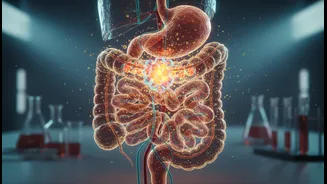
Protein digestibility refers to how efficiently your body can break down dietary protein and absorb its fundamental building blocks, known as amino acids. Think of it like this: the protein number on a nutrition label tells you what’s in the food, but
the digestibility score tells you how much of that protein your body can realistically access and put to work for vital functions like building muscle, repairing tissue, and producing hormones. Our bodies can’t store protein, so a consistent intake of usable protein is essential for overall health. Not all protein sources are created equal in this regard; some are much easier for our digestive systems to process than others.
How Is Quality Measured?
Scientists use specific scoring systems to evaluate protein quality. The long-standing method since the 1990s is the Protein Digestibility-Corrected Amino Acid Score (PDCAAS). This score assesses a protein based on its amino acid profile and adjusts for its digestibility, with a top score of 1.0 indicating it provides 100% of the essential amino acids a human needs after digestion. A newer, more precise method called the Digestible Indispensable Amino Acid Score (DIAAS) is now favoured by many experts. Unlike PDCAAS, which measures digestibility based on fecal analysis, DIAAS measures the absorption of individual amino acids in the small intestine, providing a more accurate picture of bioavailability. It also isn't capped at 1.0, allowing for better differentiation between very high-quality proteins.
The Animal vs. Plant Protein Divide
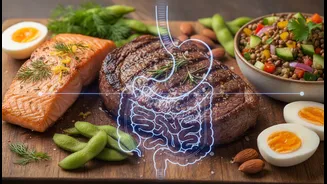
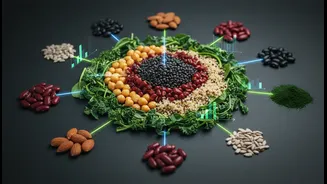
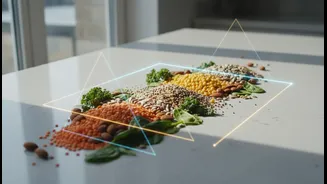
Generally, animal-based proteins—found in meat, dairy, fish, and eggs—have higher digestibility scores, often above 90%. They are considered 'complete' proteins because they typically contain all nine essential amino acids that the body cannot produce on its own. Plant-based proteins from sources like beans, lentils, grains, and nuts often have lower digestibility, ranging from 60% to 90%. This is partly due to their fibrous cell walls and the presence of 'anti-nutritional factors' like phytates, which can slightly hinder the absorption of amino acids. Many plant proteins are also 'incomplete,' meaning they are low in one or more essential amino acids.
Why Is This Metric Gaining Traction Now?
The conversation around protein digestibility has become more urgent with the global rise in plant-based eating. As more people turn to plants for their primary protein, understanding the quality and bioavailability of that protein is crucial for ensuring adequate nutrition. It’s especially important for certain populations with higher protein needs, such as older adults trying to prevent muscle loss (sarcopenia), athletes, and growing children. Simply eating a high volume of plant protein might not be enough if the body can't effectively absorb and utilize it. This knowledge helps people make more informed choices to meet their true protein requirements.
How to Improve Your Protein Absorption
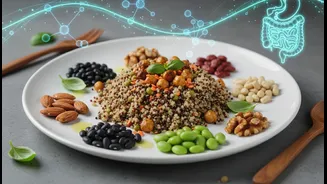
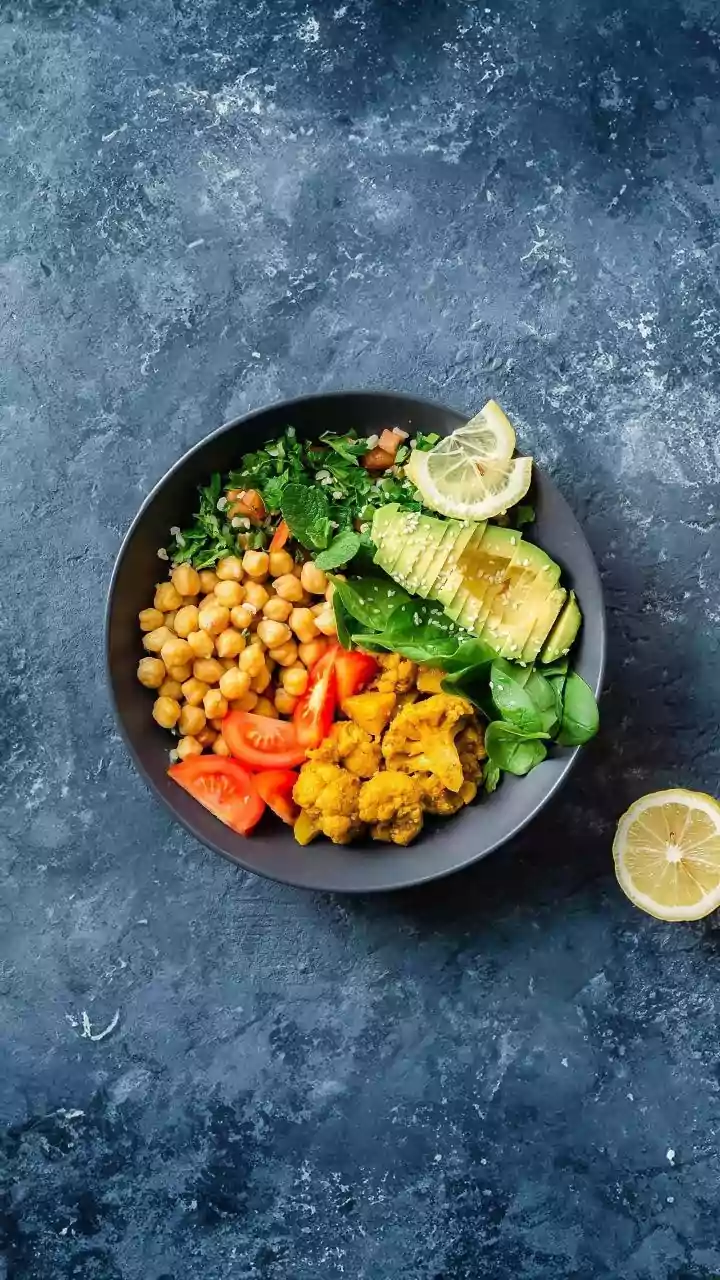
The good news is you can enhance the digestibility of plant proteins through simple preparation methods. Techniques like soaking, sprouting, or fermenting legumes, grains, and seeds can help break down anti-nutrients and make the proteins more available for absorption. Cooking also helps break down cell walls, making nutrients easier to access. Furthermore, a varied diet is key. By combining different plant protein sources throughout the day—like pairing rice with beans or lentils—you can easily consume all nine essential amino acids. This strategy, known as protein complementation, ensures you get a complete amino acid profile over the course of your day, making a plant-centric diet nutritionally sound without needing to obsess over every single meal.