

A Return to Traditional Roots
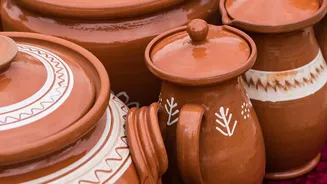
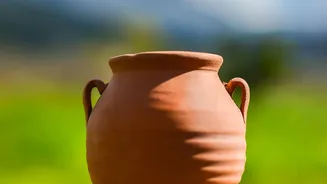
For generations, clay has been an integral part of Indian households, from the humble kulhad for tea to the large matka for storing cool water. This long-standing tradition is now being reimagined for the modern home. The current trend isn't just about
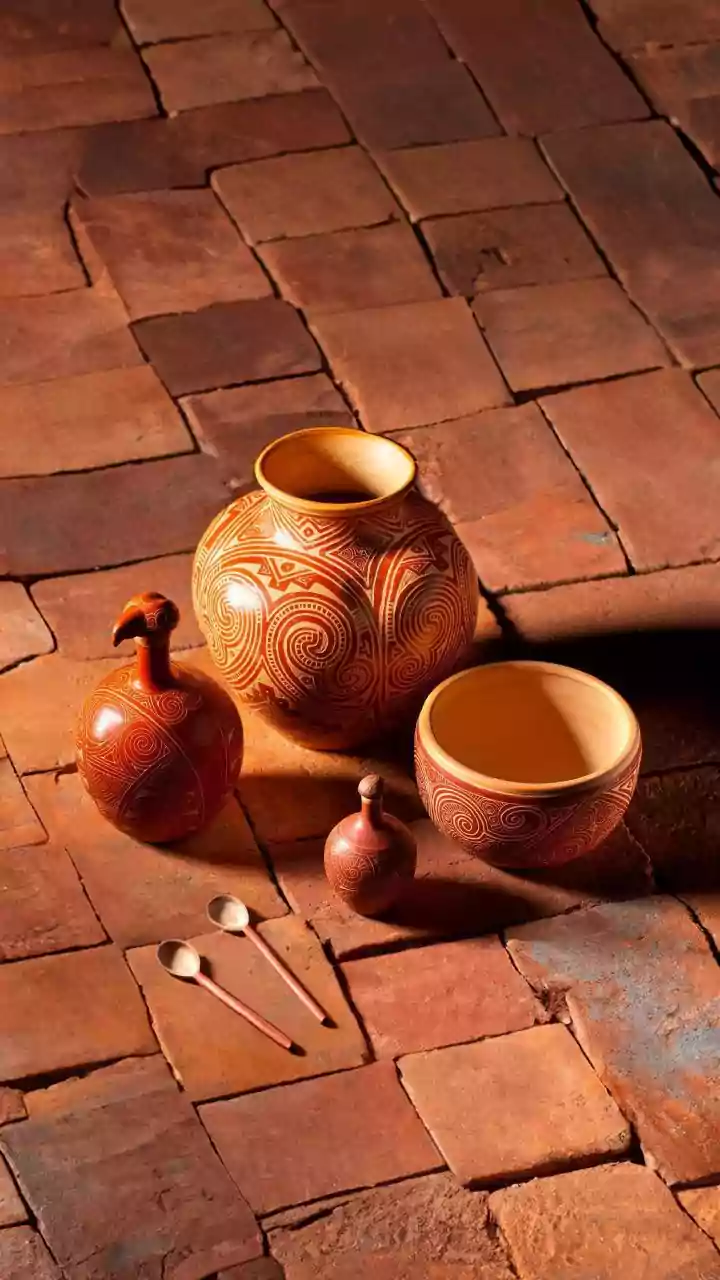
nostalgia; it's a conscious choice to reconnect with heritage in a contemporary way. Artisans are blending age-old techniques with modern design sensibilities, creating pieces that feel both timeless and current. This revival celebrates not just the material, but the story of 'Desh Ki Mitti' (the soil of our nation), turning everyday objects into a statement of cultural pride and mindful living. As consumers grow tired of generic, factory-made goods, the appeal of authentic, handcrafted items is stronger than ever.
The Health and Wellness Advantage
The move away from plastic is driven by growing concerns about its health implications. Plastic containers can leach harmful chemicals like BPA and microplastics into food, especially when heated. Terracotta, on the other hand, is a natural, non-toxic material. Being alkaline in nature, clay can help balance the pH level of acidic foods, potentially making them easier to digest. The porous nature of clay allows for slow, even cooking that retains the moisture and nutrients in food, often requiring less oil. It's a method that enhances natural flavours without introducing unwanted chemicals, offering a purer way to enjoy meals. Water stored in clay pots is also naturally cooled and can retain essential minerals.
What Modern Terracotta Looks Like
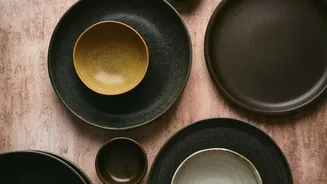
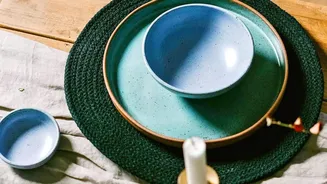
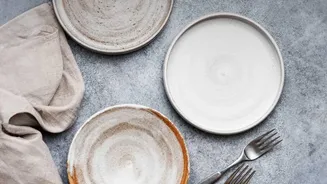
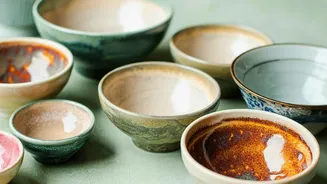
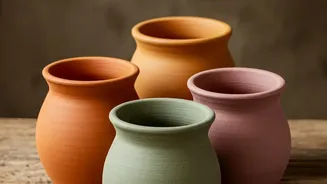
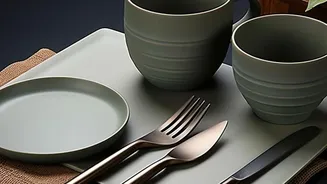
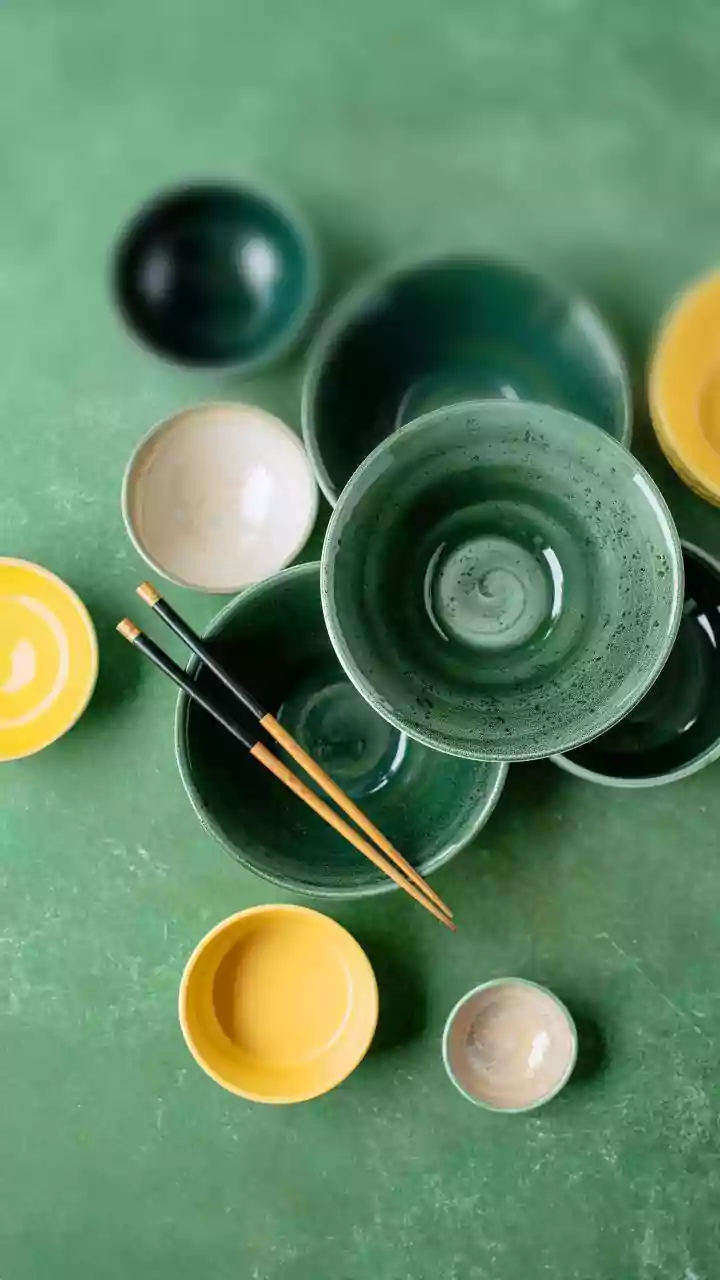
Forget any preconceived notions of rustic, rough-hewn pottery. Today's terracotta is chic, minimalist, and incredibly versatile. Designers are creating entire dining sets, from dinner plates and serving bowls to tumblers and jugs, that fit seamlessly into contemporary Indian homes. The aesthetic ranges from the raw, unglazed, earthy look to pieces with modern, food-safe glazes in muted tones like olive green, soft grey, and cream. These items are not just functional; they are decorative pieces that add warmth and texture to a dining space. The imperfect, unique finish of each handcrafted piece is celebrated, offering a welcome contrast to the uniformity of mass production. This trend is part of a larger interior design shift away from cool greys toward warmer, earthier tones that make a house feel more like a home.
Sustainability and Supporting Artisans
Choosing terracotta is also an environmentally conscious decision. Clay is a natural, biodegradable material that returns to the earth without leaving behind harmful waste, unlike plastic which can take hundreds of years to decompose. The production process for terracotta generally requires less energy compared to plastic or metal alternatives. Furthermore, this trend has a significant socio-economic impact. The growing demand for handcrafted pottery is revitalising a traditional craft and providing a sustainable livelihood for local artisans across India. Many brands are now connecting these skilled craftspeople with a global market, ensuring they receive fair wages and recognition for their art. Every purchase becomes an act of support for these communities and the preservation of their heritage.
Making the Switch: Practical Tips
Incorporating terracotta into your daily routine is simple, but it requires a little care. Unglazed clay items often need to be seasoned before first use, which usually involves soaking them in water. This makes them stronger and helps create a natural non-stick surface. While many modern, high-fired ceramic pieces are dishwasher-safe, traditional terracotta is best washed by hand with a soft sponge and mild soap to maintain its integrity. It's also wise to avoid sudden temperature changes, like moving a pot from a hot stove to a cold surface. While it may not replace every plastic item in your kitchen overnight, starting with a few key pieces like a water jug, a curd-setting pot, or a set of serving bowls can be a rewarding first step.