



A Healthier Take on Indulgence
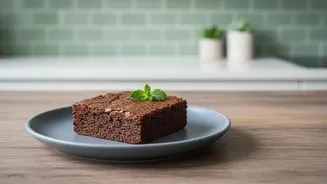
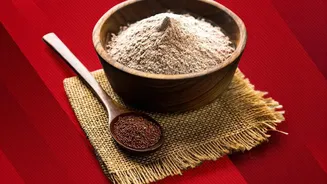
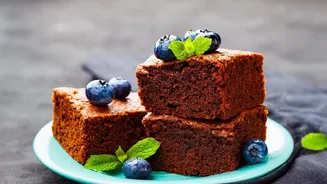
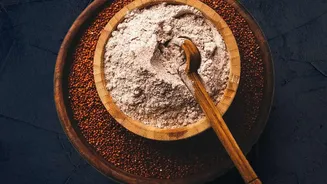
The humble brownie, a cornerstone of comfort food, is getting a twenty-first-century makeover. All across India, from home bakers to high-end patisseries, a growing movement is championing the use of millet flours—like ragi, jowar, and bajra—in place
of traditional maida. This shift is transforming what it means to indulge. Consumers are increasingly looking for ways to enjoy their favourite treats without the guilt associated with refined ingredients. Millet-based desserts offer a solution, packing a nutritional punch without compromising on flavour. This trend isn't just about brownies; chefs are experimenting with millets in everything from cakes and cookies to traditional sweets like paal kozhukattai and halwa.
Why Millets, Why Now?
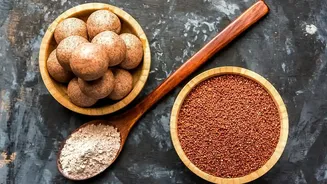
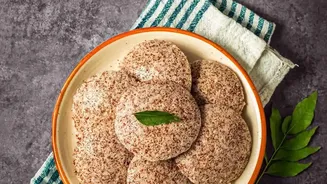
The resurgence of millets is no accident. Long a staple in the Indian subcontinent, these hardy grains are being celebrated for their health benefits and environmental resilience. With a lower glycemic index than refined wheat, millets are a boon for managing blood sugar levels, making them a smarter choice for everyone, including those with diabetes. They are also naturally gluten-free and packed with protein, fibre, and essential minerals like magnesium and iron. A major push from the Indian government and global recognition, such as the UN's declaration of 2023 as the International Year of Millets, has boosted public awareness and availability, encouraging both chefs and home cooks to rediscover these ancient grains.
The Baker's Creative Challenge
Swapping maida for millet flour isn't a simple one-to-one substitution. It's a culinary challenge that requires skill and innovation. Millet flours are gluten-free, which means they behave very differently in a batter. Without gluten's elasticity, baked goods can become dense or dry. Achieving that perfect fudgy brownie texture or light cake crumb is a testament to a chef's creativity. Many bakers have found success by blending different millet flours, such as ragi for its earthy depth and jowar for its softer texture, to create the desired consistency. Others adjust liquid content or incorporate binding agents like eggs or flaxseed meal to achieve a moist, satisfying result. This process is more of an art than a science, with every successful batch representing hours of experimentation.
A Richer, Nuttier Flavour Profile
While the health benefits are a major draw, the flavour of millet-based desserts is what wins over sceptics. Far from being a compromise, millets introduce new and complex flavours to familiar recipes. Different millets offer unique tasting notes, from the nutty, earthy flavour of ragi (finger millet) to the subtly sweet character of jowar (sorghum). When paired with rich chocolate, these flavours add a new layer of depth that many find more satisfying than the neutrality of refined flour. These brownies are not just a 'healthy version' of the original; they are a distinct and delicious dessert in their own right, with a heartier texture and a more complex taste.