



Why Less is More With Water
The move towards water-wise gardening, also known as xeriscaping, is a response to a growing reality across India: harsher summers and less predictable rainfall. For many cities, groundwater levels are a serious concern, making water conservation a daily
necessity. But this shift is not about sacrifice. A low-water garden is not only environmentally responsible but also incredibly practical. It demands less maintenance, reduces costs associated with water consumption, and results in a resilient landscape that can withstand periods of intense heat and drought. By choosing plants adapted to thrive with minimal irrigation, gardeners can create stunning green spaces that are both beautiful and in harmony with the local climate.
The Principles of a Water-Wise Oasis
Creating a low-water garden goes beyond just picking drought-tolerant plants. It’s a holistic approach built on a few key principles. It starts with smart planning, like grouping plants with similar water needs together, a practice called hydrozoning. Another crucial step is improving your soil. Adding organic matter like compost helps the soil retain moisture for longer, giving plant roots a better chance to absorb it. Perhaps the most effective technique is mulching. Applying a 2-3 inch layer of organic mulch (like bark chips or leaves) over the soil acts as a protective barrier. It dramatically reduces evaporation from the sun, suppresses weeds that compete for water, and keeps the soil temperature cooler.
Choosing Your Drought-Tolerant Stars
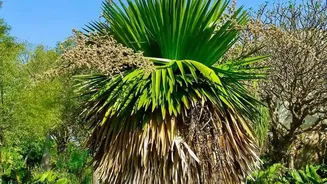
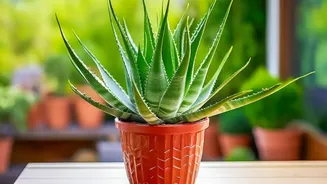
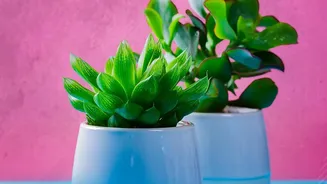
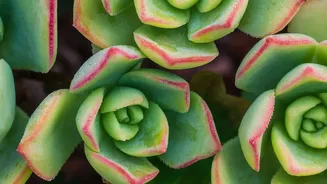
The heart of a low-water garden is its plants. Fortunately, India's diverse climate offers a rich palette of species that are naturally adapted to thrive with less water. It is a misconception that a water-wise garden must only contain cacti and succulents. Many beautiful flowering plants, shrubs, and trees are perfectly suited for this style. For vibrant colour, Bougainvillea is a classic choice, known for its stunning bracts and ability to handle full sun and dry spells. Lantana and Vinca (Sadabahar) are other hardy bloomers that require minimal watering once established. Succulents like Aloe Vera and Jade Plant are excellent, low-maintenance options, perfect for pots on balconies and terraces. For larger spaces, trees like the Neem offer shade and are extremely drought-resistant.
Beyond the Plant Tag: Smart Watering Habits
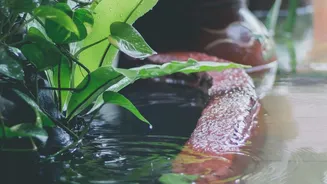
Even drought-tolerant plants need water to get established. For the first year, new plants will require regular watering to develop strong, deep root systems. Once they are mature, however, the goal is to water wisely. The best practice is to water deeply but infrequently. This encourages roots to grow further down into the soil in search of moisture, making the plant more resilient in the long run. The best time to water is in the early morning, which minimises evaporation and allows the water to soak in before the heat of the day. Avoid light, frequent sprinkling, which encourages shallow roots. Instead, use methods like drip irrigation or a soaker hose, which deliver water directly to the base of the plant, reducing waste.